What Is Titanium Dioxide? A Plain-English Explanation
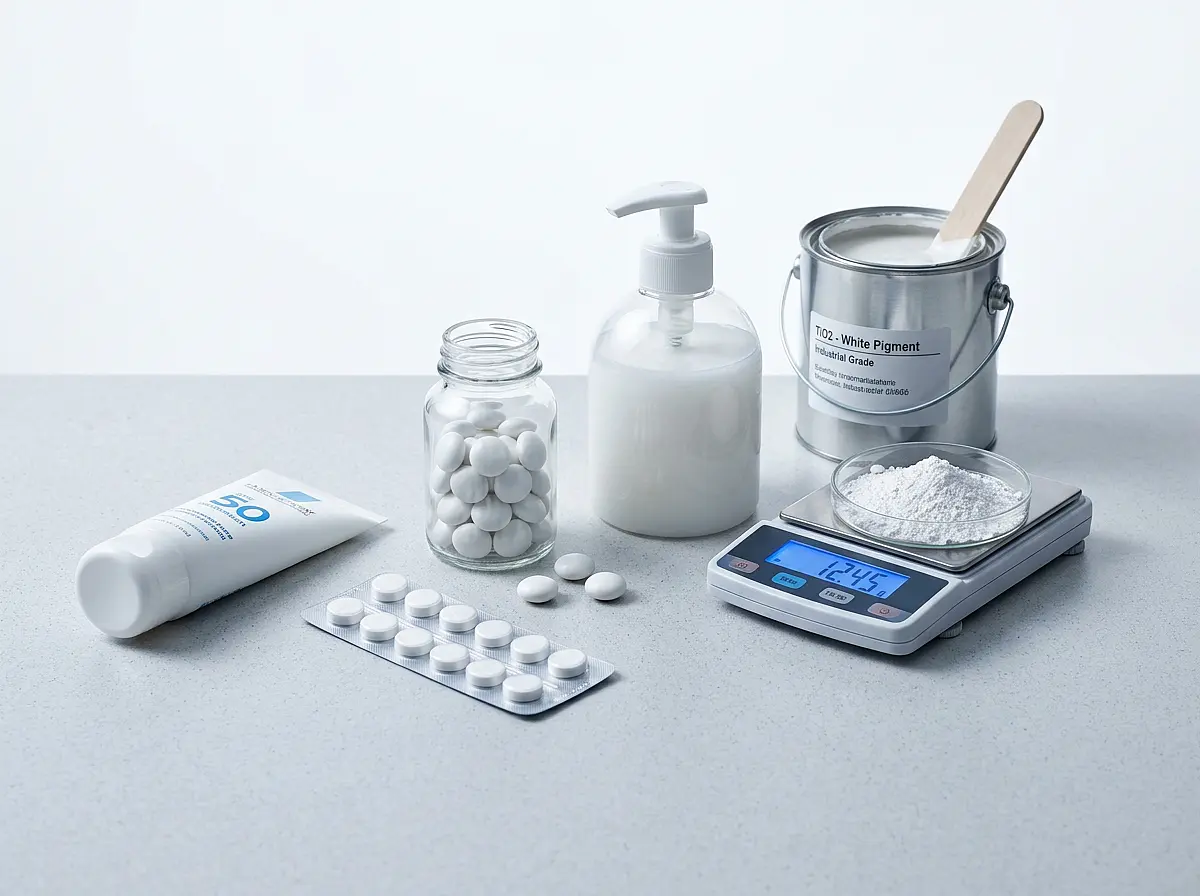
You have almost certainly used a product containing titanium dioxide today without knowing it. It may be in the sunscreen you applied this morning, the white paint on your wall, the tablet in your medicine cabinet, or the bright coating on a sweet or chewing gum. It is one of those behind-the-scenes ingredients that appears everywhere because it is exceptionally good at making products look white, solid, and bright.
If you spotted titanium dioxide, TiO₂, TiO2, E171, or CI 77891 on a label and wanted a straightforward explanation, you are in the right place. This guide explains what titanium dioxide is, where it comes from, what it is used for, and what regulators and researchers currently say about its safety.
Table of Contents
Where Does Titanium Dioxide Come From?

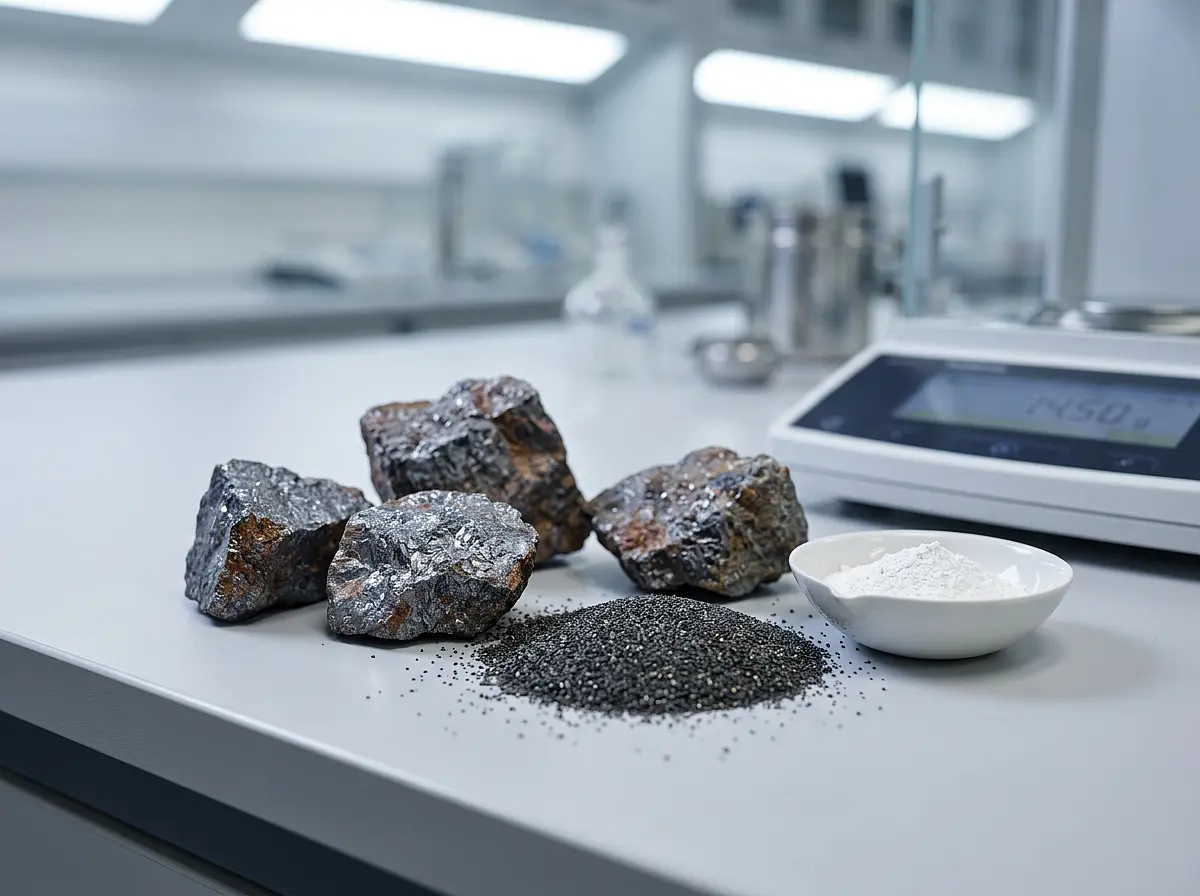
Titanium dioxide starts with mining. The most important industrial raw materials are rutile, ilmenite, and leucoxene, which are titanium-rich minerals found in mineral sands and ore deposits in several parts of the world. It helps to distinguish between the natural mineral and the commercial pigment: rutile can refer to both a natural TiO₂ crystal form and a mined feedstock, while ilmenite and leucoxene are titanium-bearing sources used to produce finished titanium dioxide.
Major producing countries include Australia, South Africa, Canada, and Mozambique. After extraction, manufacturers convert titanium-containing ores into high-purity TiO₂ using the sulfate process or the chloride process. Both methods are designed to remove impurities and deliver a consistent pigment with predictable performance. Global annual output is roughly 7 million tonnes, which shows how central titanium dioxide is to modern manufacturing. For a closer look at the production route, visit our page on titanium dioxide pigment.
What Is Titanium Dioxide Used For?
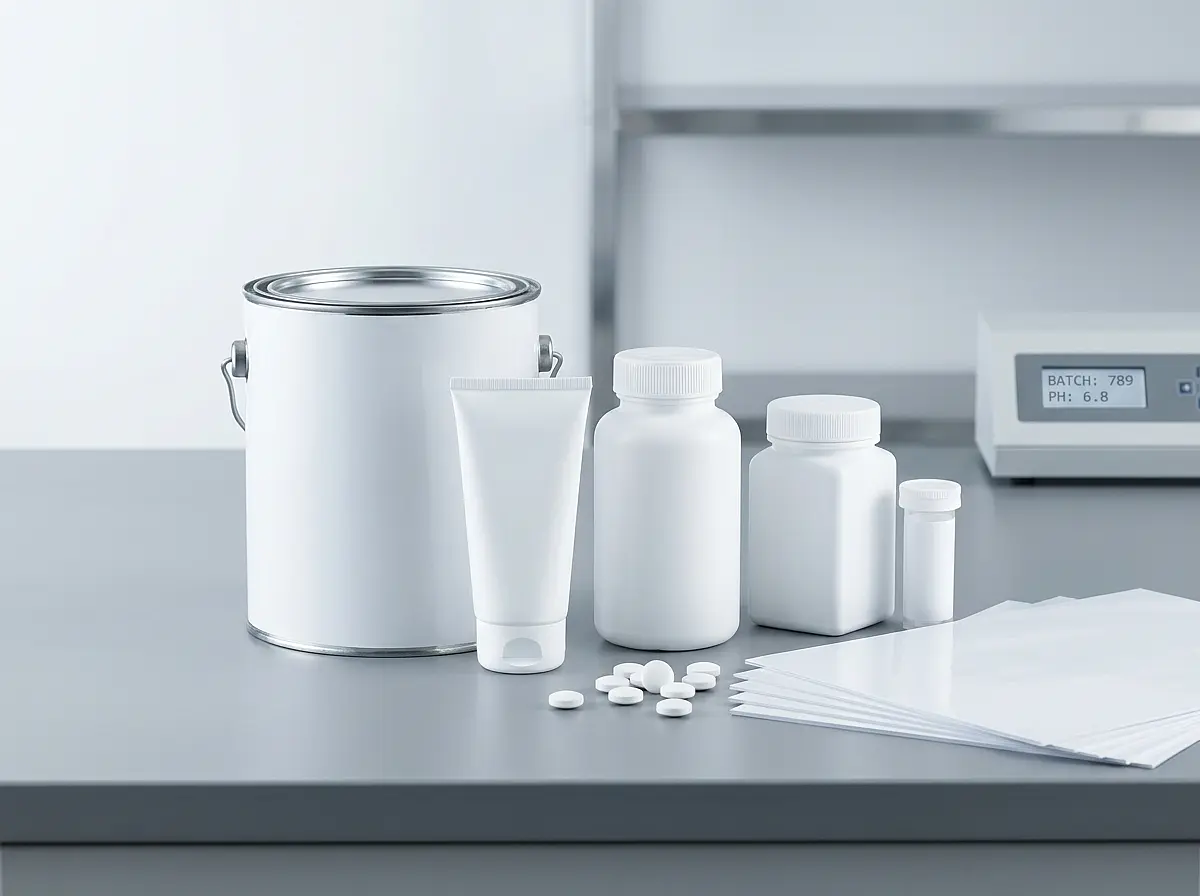
Titanium dioxide appears in so many products because it solves several practical problems at once. Above all, it makes things look whiter and less transparent. In some products it also helps manage UV exposure, and in specialized technologies it can support light-driven reactions at a surface. Those core abilities explain why the same compound can be useful in house paint, cosmetic powders, plastic packaging, premium paper, and even advanced materials research. For a broader overview, see our page on titanium dioxide uses.
Quick Answer Summary Box
• Titanium dioxide is a white mineral-based compound made from titanium and oxygen.
• Its chemical formula is TiO₂, also written as TiO2; the systematic name is titanium(IV) oxide.
• It is refined from titanium-bearing ores such as rutile, ilmenite, and leucoxene.
• It is mainly used to make products whiter and more opaque, and in sunscreens it helps block UV through a mix of absorption, scattering, and limited reflection. On labels, it may appear as E171 in food contexts or CI 77891 in cosmetics.
The Simple Definition
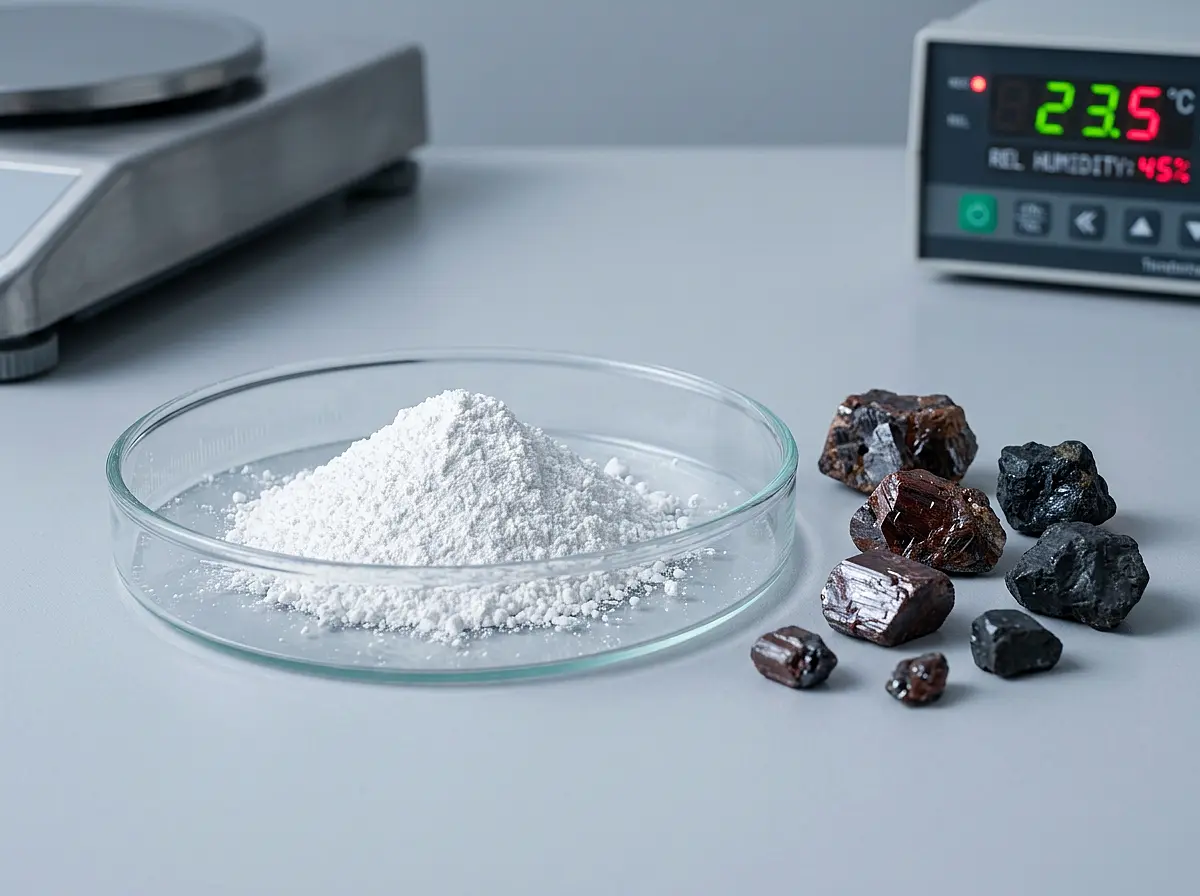
The plain-English titanium dioxide definition is this: titanium dioxide (TiO₂ / TiO2; titanium(IV) oxide) is a naturally occurring mineral compound made of titanium and oxygen. In commercial form, it is usually a white, odorless powder known for one standout property: it scatters light extremely well, which is what gives it such strong whiteness and hiding power.
In nature, titanium dioxide is associated with mineral forms and ore sources such as rutile and ilmenite, while titanium-rich materials like leucoxene are also important for industry. The material used in everyday products is normally processed and purified rather than taken directly from raw mineral deposits, because manufacturers need reliable purity and tightly controlled particle size for uses in paint, sunscreen, paper, plastics, food, and pharmaceuticals.
In Paper

Paper producers use titanium dioxide as a brightening and opacifying ingredient. Put simply, it helps paper look whiter and less see-through, which can improve both appearance and performance.
This matters for premium printing papers, labels, specialty papers, and products where a crisp visual finish is important. Better opacity can make printed text easier to read, while added brightness can improve the contrast of inks and images.
Even at relatively modest loading levels, TiO₂ can noticeably enhance the final look of the sheet. That is why it remains valuable in paper applications where visual quality matters more than lowest possible cost.
In Photocatalysis
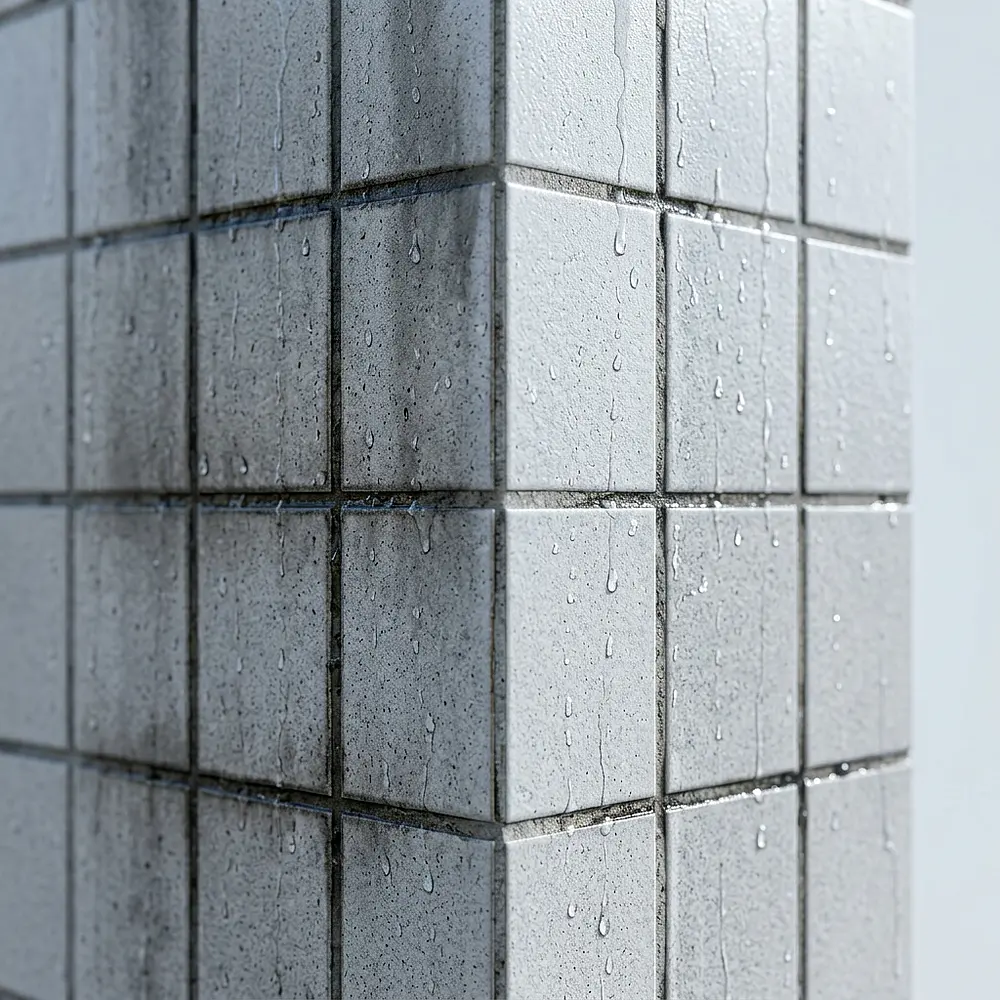
One of the more advanced titanium dioxide uses is photocatalysis. In certain forms, TiO₂ can become active under light and help drive chemical reactions on a surface. In plain terms, light can switch the material into a state where it helps break down organic matter or pollutants.
A well-known example is self-cleaning glass. When glass is coated with titanium dioxide, exposure to light can help decompose grime on the surface, making it easier for rain or rinsing to wash it away. Similar ideas are being explored in air purification systems and surface technologies designed to reduce contamination.
Researchers are also studying titanium dioxide in areas linked to solar energy and environmental cleanup. While these uses are far more specialized than paint or cosmetics, they show that TiO₂ is not only a pigment but also an important functional material. Learn more in our titanium dioxide uses overview.
In Pharmaceuticals & Supplements

Titanium dioxide is commonly used in tablets, caplets, and capsule shells. Here, its job is usually straightforward: it gives medicines and supplements a clean white appearance and helps coating systems look uniform from batch to batch.
That visual role is useful because product appearance matters in pharmaceutical manufacturing. Consistent color can make tablets easier to identify and can support consumer confidence in the finished product. In some formulations, the coating also helps protect ingredients from light exposure.
So while many people think of TiO₂ in pills as purely cosmetic, it can also support stability. That combination of appearance and function explains why it has been a long-standing ingredient in pharmaceutical coatings.
In Plastics & Packaging
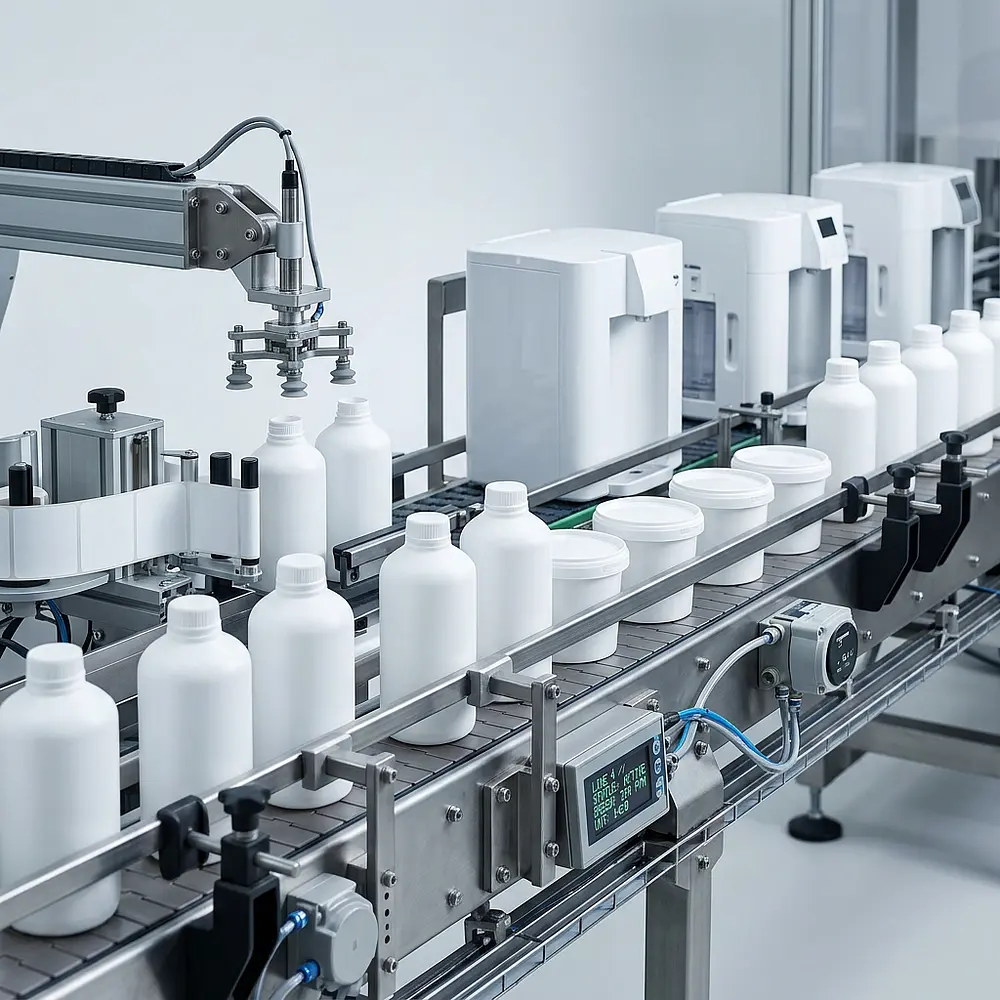
Titanium dioxide is widely used in white and light-colored plastics. Instead of sitting only on the surface, it is mixed into the material itself, which gives the plastic brightness and opacity throughout the product.
This is valuable in packaging, household containers, films, appliance parts, and many molded plastic items. A white plastic bottle, lid, panel, or tray often contains TiO₂ because it gives a cleaner appearance and helps hide what is behind or inside the material.
In some formulations, it also contributes to UV resistance. That can help outdoor plastic products maintain appearance longer and can support packaging applications where light protection is useful for preserving the look or quality of the contents.
In Paints & Coatings
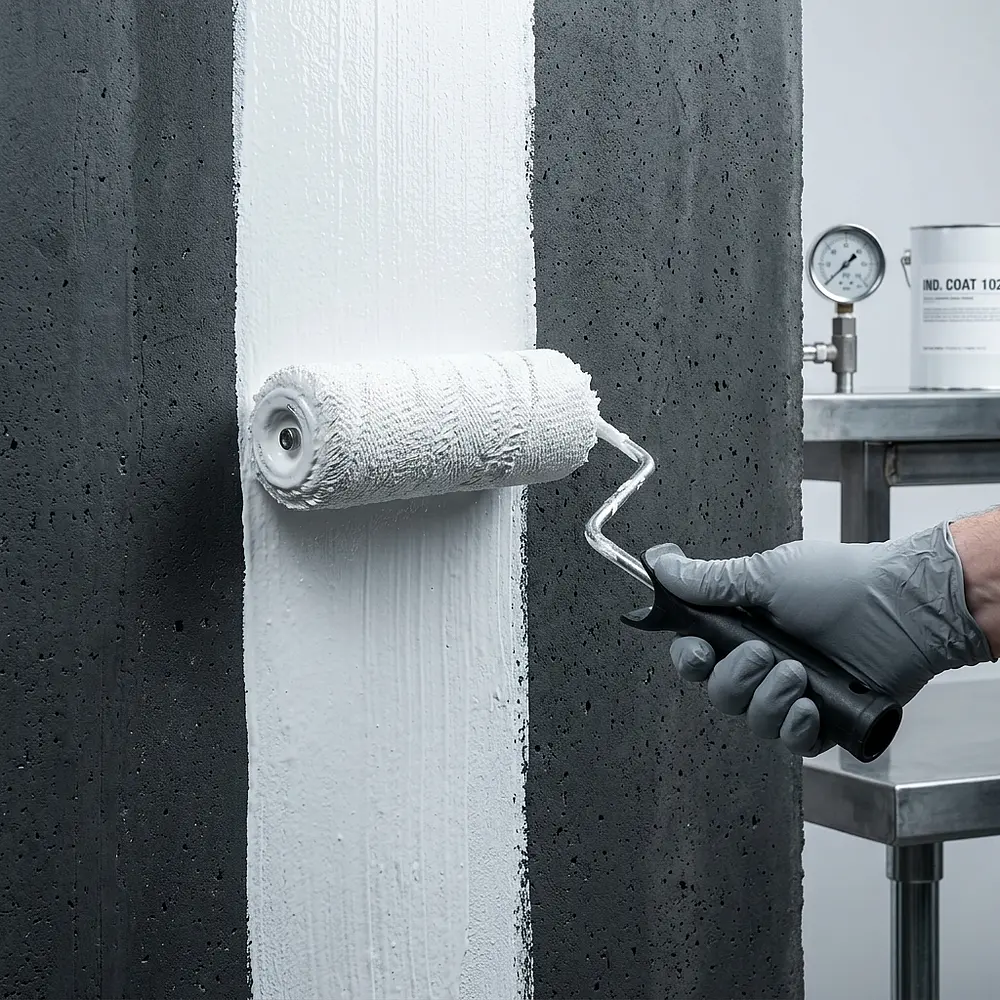
Paints and coatings are the largest end use for titanium dioxide, making up about 60% of global demand. That dominance comes down to performance. TiO₂ is the most effective mainstream white pigment for creating opacity, meaning it prevents the surface underneath from showing through.
In practical terms, that is why white paint looks bright and solid instead of watery or streaky. The pigment scatters visible light so efficiently that even a relatively thin paint film can provide strong coverage. This matters in decorative wall paints, industrial coatings, automotive finishes, roof coatings, and protective layers used on everything from metal panels to consumer goods.
It also improves the visual consistency of colored paints. Even when a coating is not pure white, titanium dioxide often helps form a cleaner, brighter base. That can make pastel shades look fresher and help the color appear more even across the whole surface.
Because it performs so well, nearly every tin of white paint relies on it. Manufacturers may blend it with extenders and other pigments, but when they want strong whiteness and hiding power, titanium dioxide is usually doing the heavy lifting.
In Sunscreen & Cosmetics
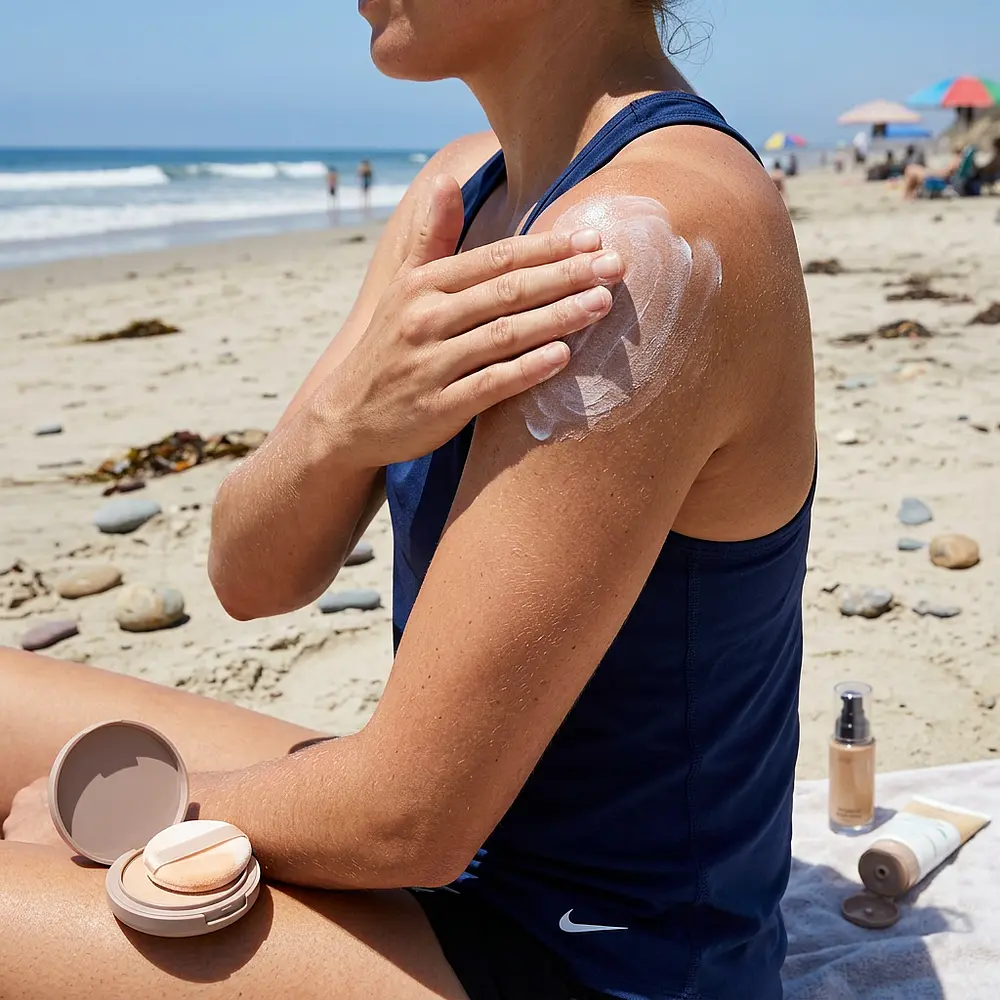
Titanium dioxide is a familiar ingredient in mineral sunscreens. In that role, it helps protect skin from ultraviolet radiation. Modern sunscreen-grade TiO₂ works through a combination of UV absorption, scattering, and a smaller degree of reflection. That is why it is commonly described as a mineral or physical sunscreen filter, especially in consumer-facing language. For a deeper explanation, see our guide to titanium dioxide in sunscreen.
It is also widely used across cosmetics, especially products designed to create coverage or a brighter finish. You will often find it in foundation, pressed powders, concealers, blushes, and face products where opacity and color consistency matter. On cosmetic ingredient lists, it often appears as CI 77891.
One reason brands like it is that it can improve both appearance and functionality at the same time. It helps create a smoother-looking finish while also contributing UV-related performance in certain formulations. Depending on the product, manufacturers may use different particle sizes and surface treatments to achieve the desired result.
Regulators generally allow its use in topical cosmetics, but product format matters. Creams and lotions are treated differently from powders and sprays, because airborne particles raise separate inhalation questions. That distinction is important when reading safety discussions about cosmetic TiO₂.
In Food (E171)
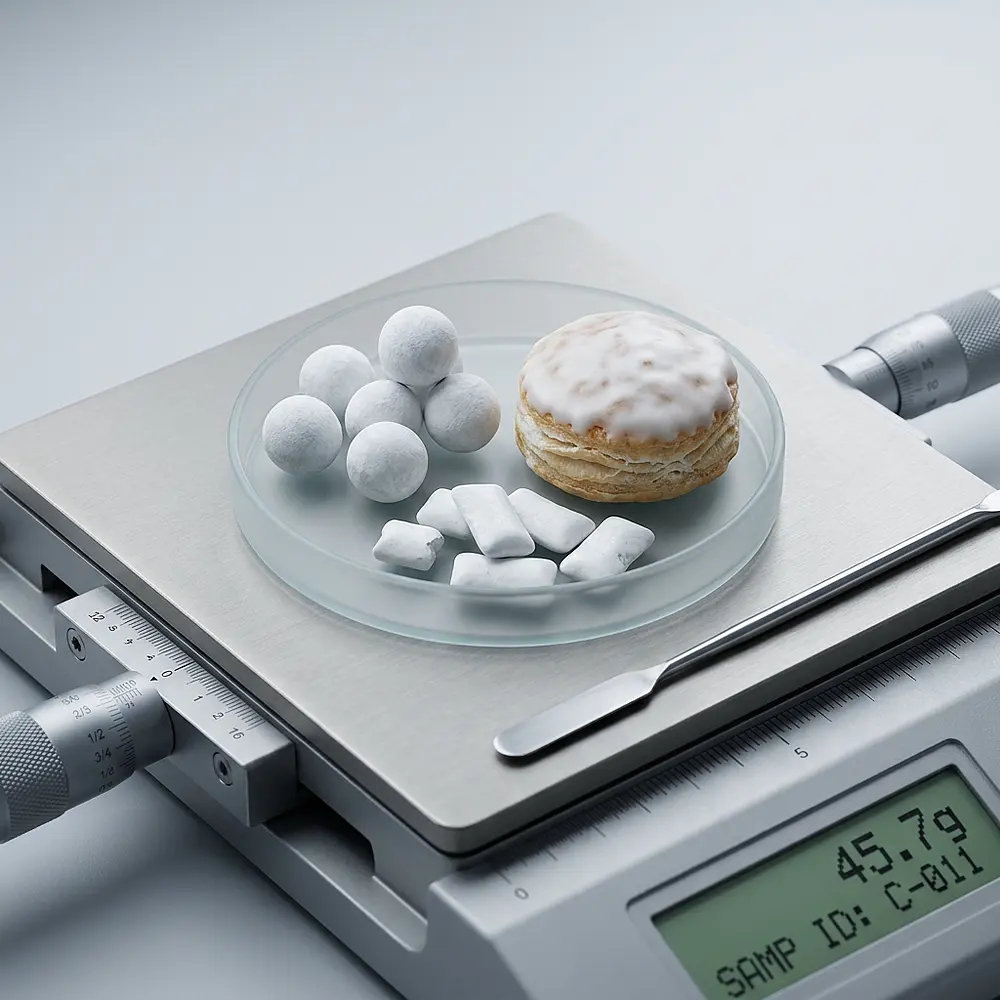
In food, titanium dioxide has mainly been used as a whitening and brightening agent. It does not add taste, texture, or nutrition. Its purpose is visual: to make products look cleaner, whiter, or more uniform.
Historically, this meant it showed up in items such as candy coatings, chewing gum, icing, sauces, and decorative baked goods. In the European food-additive system, this use was identified as E171.
This application is also the most debated. The EU no longer permits E171 in food after an EFSA review concluded that a concern for genotoxicity could not be ruled out. In the United States, however, the regulatory position is different: the FDA still allows titanium dioxide in food under existing rules.
That difference often confuses consumers, but it reflects a real regulatory split rather than a simple right-or-wrong answer. If you want the full background, visit our page on titanium dioxide in food.
Is Titanium Dioxide Safe?
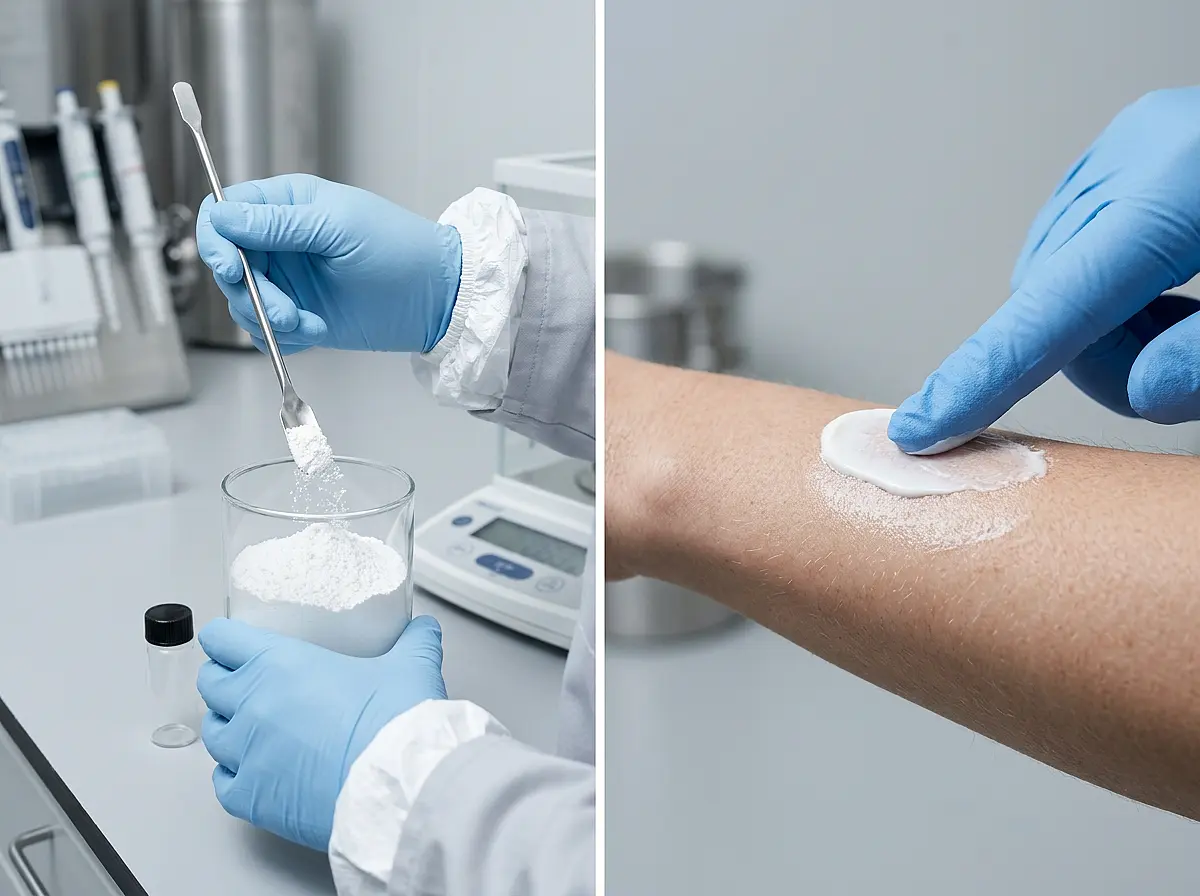
Safety depends strongly on how titanium dioxide is used and how people are exposed to it. For skin contact, regulators generally consider pigment-grade TiO₂ acceptable in topical products such as sunscreen and cosmetics when used within approved conditions. Reviews by the FDA for sunscreen actives and by European cosmetic safety bodies support its use on intact skin, while also paying attention to product formats that could be inhaled. In the SCCS context, titanium dioxide is treated as a UV-filter in the question context of cosmetic product safety evaluation; the possible classification as Carcinogen Cat. 2 (Inhalation) is separate and is cited in Annex VI to Regulation (EC) No 1272/2008. [FDA; SCCS/European cosmetics assessments]
For oral exposure, the picture is less settled. Titanium dioxide has long been used in food and pharmaceuticals in some regions, but food remains the area with the biggest regulatory disagreement. In 2021, the European Food Safety Authority (EFSA) concluded that a concern for genotoxicity could not be ruled out for food additive E171, and the EU then removed it from the list of approved food additives in 2022. The U.S. FDA, by contrast, still permits titanium dioxide in food under current regulations. [EFSA 2021 opinion; FDA color additive regulations]
The clearest established hazard relates to inhalation of airborne particles, especially in workplace settings where dust can be generated. IARC classifies titanium dioxide as Group 2B, possibly carcinogenic to humans, based mainly on animal data for inhaled airborne dust. Exposure assessment also depends on particle size, which is why guidance distinguishes between fine and ultrafine forms. OSHA sets a permissible exposure limit of 15 mg/m³ as an 8-hour TWA, while NIOSH recommends 2.4 mg/m³ as a 10-hour TWA for fine titanium dioxide and 0.3 mg/m³ as a 10-hour TWA for ultrafine titanium dioxide. [IARC; NIOSH; OSHA; NCBI/PMC reviews]
So is titanium dioxide safe? The most accurate answer is that it is context-dependent. Topical use in approved products is generally regarded as acceptable, inhalation calls for more caution, and food use remains an area where major regulators do not currently agree. Titanium dioxide pigments are commonly identified under CAS No. 13463-67-7, while anatase and rutile powder forms may also appear under CAS Nos. 1317-70-0 and 1317-80-2 in technical and regulatory documents. For a fuller review, see is titanium dioxide safe and titanium dioxide and cancer risk.
Titanium Dioxide vs. Other White Pigments
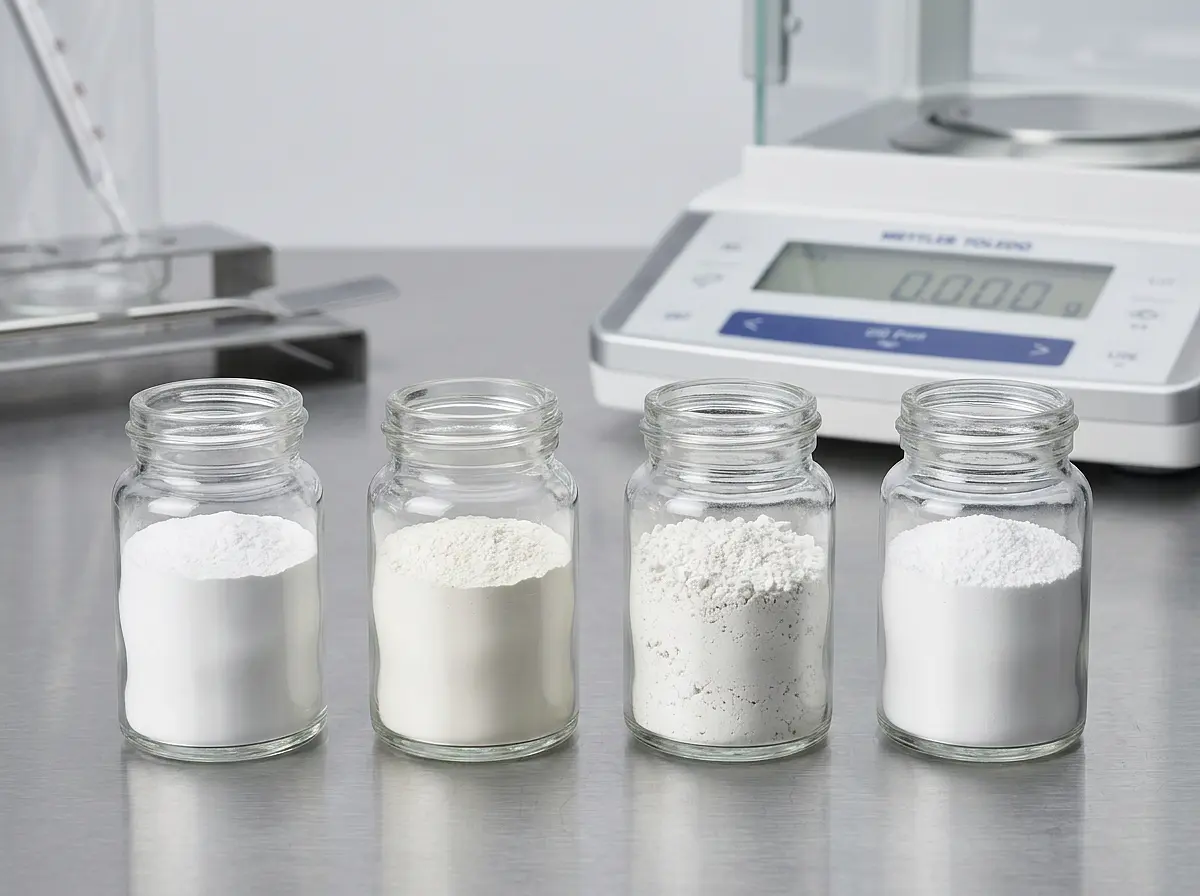
Titanium dioxide is not the only white pigment on the market, but it is usually the strongest all-round option when high whiteness and hiding power are the priority. Other materials may be cheaper, better for certain niche functions, or preferred in specific formulations, yet TiO₂ remains the standard against which they are compared.
Comparison at a glance
Titanium Dioxide (TiO₂) — Refractive index: ~2.6 — Typical uses: paints, plastics, paper, sunscreen, pharma, food where permitted — Safety profile: widely used; food rules vary by region; inhalation of dust is the main concern — Cost: moderate to high
Zinc Oxide (ZnO) — Refractive index: ~2.0 — Typical uses: mineral sunscreens, topical products, rubber, ceramics — Safety profile: commonly accepted for topical use — Cost: moderate
Calcium Carbonate (CaCO₃) — Refractive index: ~1.6 — Typical uses: paper filler, paint extender, plastics filler — Safety profile: widely used and generally well understood — Cost: low
Barium Sulfate (BaSO₄) — Refractive index: ~1.64 — Typical uses: specialty coatings, plastics, industrial applications — Safety profile: generally treated as low-risk in insoluble finished form — Cost: low to moderate
In everyday formulation terms, zinc oxide is the closest neighbor in sunscreen, while calcium carbonate and barium sulfate are more often used as extenders or specialty fillers. When maximum opacity and clean white appearance matter most, titanium dioxide is usually the first choice.
What Makes Titanium Dioxide So Useful?
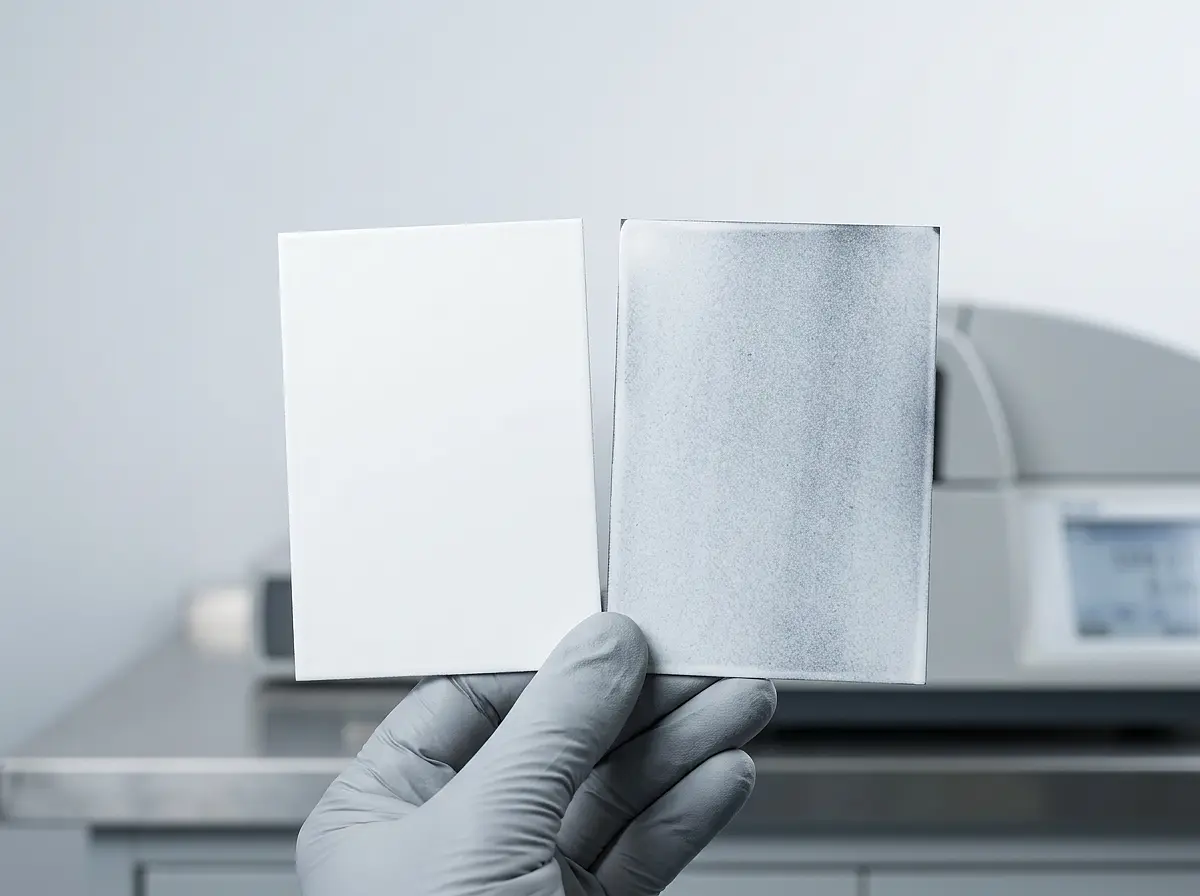
The main reason titanium dioxide is so valuable is its exceptionally high refractive index — about 2.6, the highest of any widely used white pigment. In everyday language, that means it bends and scatters light extremely effectively. That single property is the core of its remarkable whiteness and covering power.
It also offers several other advantages that matter in real products. Titanium dioxide is chemically stable, so it does not easily break down under normal use conditions. It is generally non-reactive in many finished formulations, and it can absorb ultraviolet light well enough to be useful in sunscreen and weather-exposed materials.
Another reason manufacturers rely on it is predictability. A material used in huge industries like paint, plastics, and pharmaceuticals must perform consistently from batch to batch, and TiO₂ has a long industrial track record. The combination of optical performance, durability, and broad compatibility is what makes it the benchmark white pigment. For more technical information, visit our TiO₂ reference page.
Is Titanium Dioxide Natural or Synthetic?
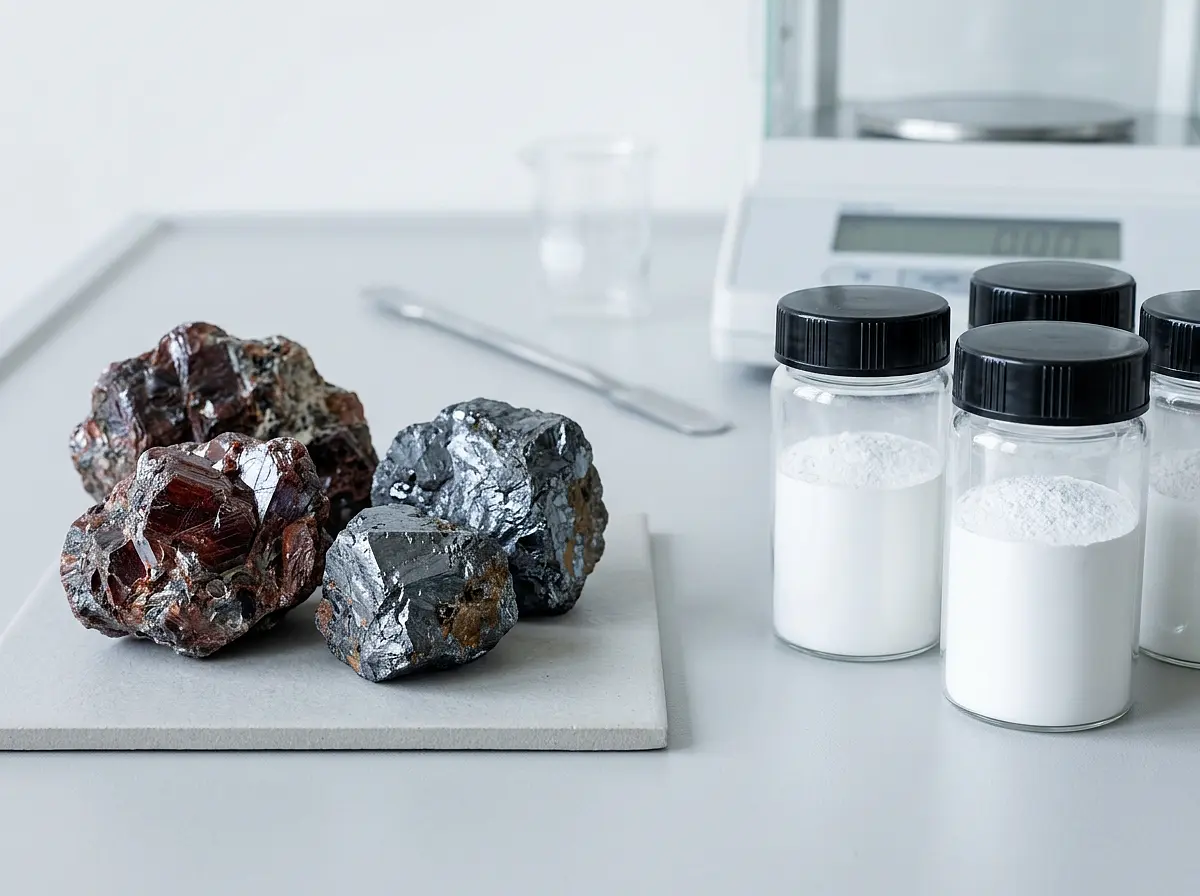
Titanium dioxide is both natural and industrially processed. As a substance, it occurs naturally in mineral form, especially as rutile, anatase, and brookite. So in that sense, it is not an invented compound.
However, the titanium dioxide used in commercial products is usually not raw mineral straight from the ground. Manufacturers refine titanium-bearing feedstocks such as rutile, ilmenite, and leucoxene to produce a much purer material with controlled particle size and reliable performance.
That means the answer is both. The compound itself is naturally occurring, but the grade used in paint, sunscreen, paper, plastics, food, or pharmaceuticals is typically an engineered industrial material made from natural mineral sources.
Comparison Table
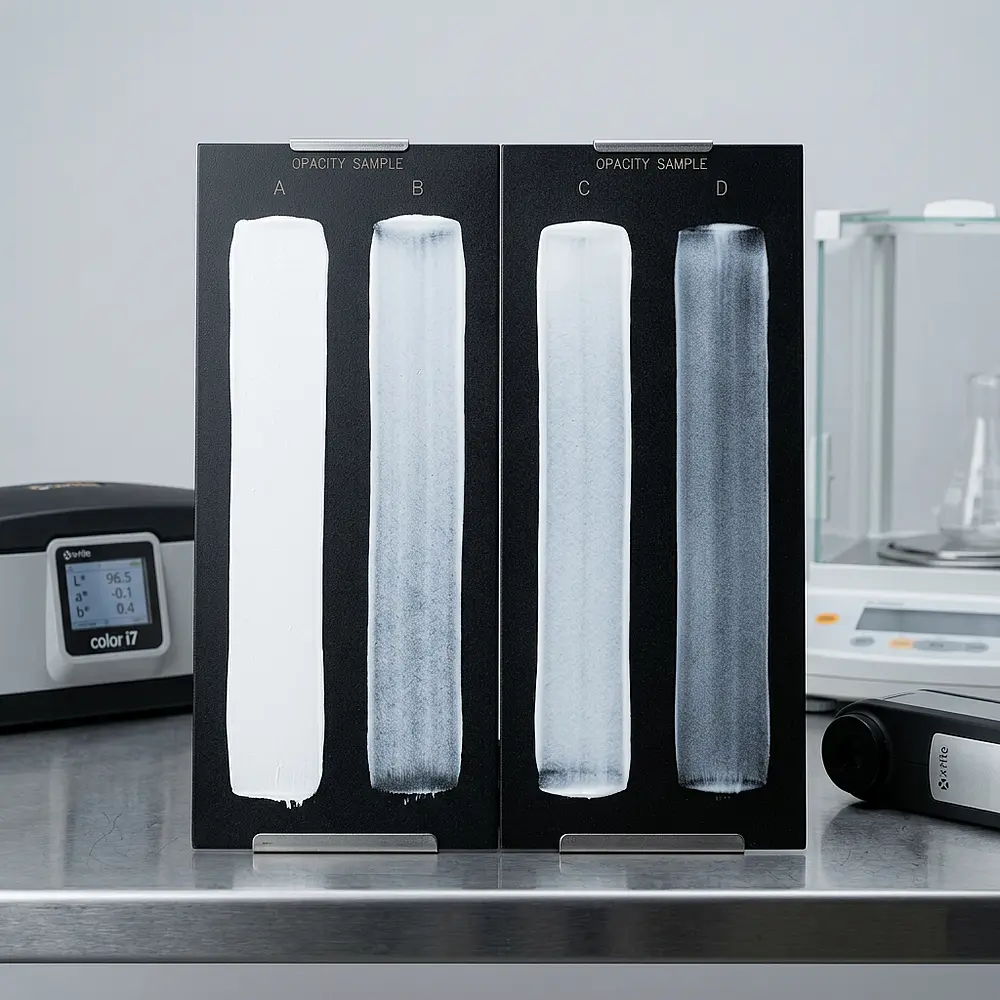
The figures above tell the story quite clearly. The most important number is the refractive index: TiO₂ reaches about 2.6, noticeably above zinc oxide at around 2.0 and far beyond calcium carbonate and barium sulfate, which sit near 1.6. In practice, that means titanium dioxide delivers stronger hiding power at lower loading levels than these alternatives, which is a major advantage in coatings, plastics, and paper.
Zinc oxide is the most relevant comparison in sunscreens because it is also a mineral ingredient with UV-related functionality. However, it is not a direct one-for-one replacement in all uses. It has different optical behavior and is often paired with titanium dioxide rather than used instead of it.
Calcium carbonate plays a different role. It is much cheaper and is widely used as a filler or extender, but it does not come close to TiO₂ in whiteness or opacity. Barium sulfate is valued in certain technical and industrial applications because of its inertness and density, yet it is not a mainstream substitute where maximum covering power is required.
Cost is the trade-off. Titanium dioxide is more expensive than common fillers, which is why manufacturers often combine it with lower-cost materials rather than replacing it completely. Even so, when visual performance is the top priority, TiO₂ usually justifies its place in the formula.
Frequently Asked Questions
What is titanium dioxide made of?
Titanium dioxide is made from the elements titanium and oxygen. That is why its chemical formula is written as TiO₂.
Is titanium dioxide the same as titanium?
No. Titanium is a metal, while titanium dioxide is a separate compound formed when titanium bonds with oxygen.
Why is titanium dioxide in food?
It has mainly been used to make foods look whiter and more visually uniform. It does not add flavor or nutrition.
Is titanium dioxide banned?
Not everywhere. It is banned as a food additive in the EU, but it is still allowed in some other markets and remains used in products such as cosmetics and pharmaceuticals.
What is another name for titanium dioxide?
Common alternatives include TiO₂, TiO2, and titanium(IV) oxide. On labels, you may also see E171 in food contexts or CI 77891 in cosmetics.
Is titanium dioxide vegan?
Yes, the ingredient itself is generally considered vegan because it is mineral-derived and contains no animal ingredients. Whether a finished product is vegan depends on the other ingredients too.
Is titanium dioxide banned?

The short answer is: in some uses, in some places. The best-known example is the EU decision to stop allowing titanium dioxide as a food additive.
That does not mean it is banned everywhere or in every product category. It continues to be used in areas such as cosmetics, sunscreen, coatings, plastics, and pharmaceuticals under separate regulatory frameworks.
What is another name for titanium dioxide?
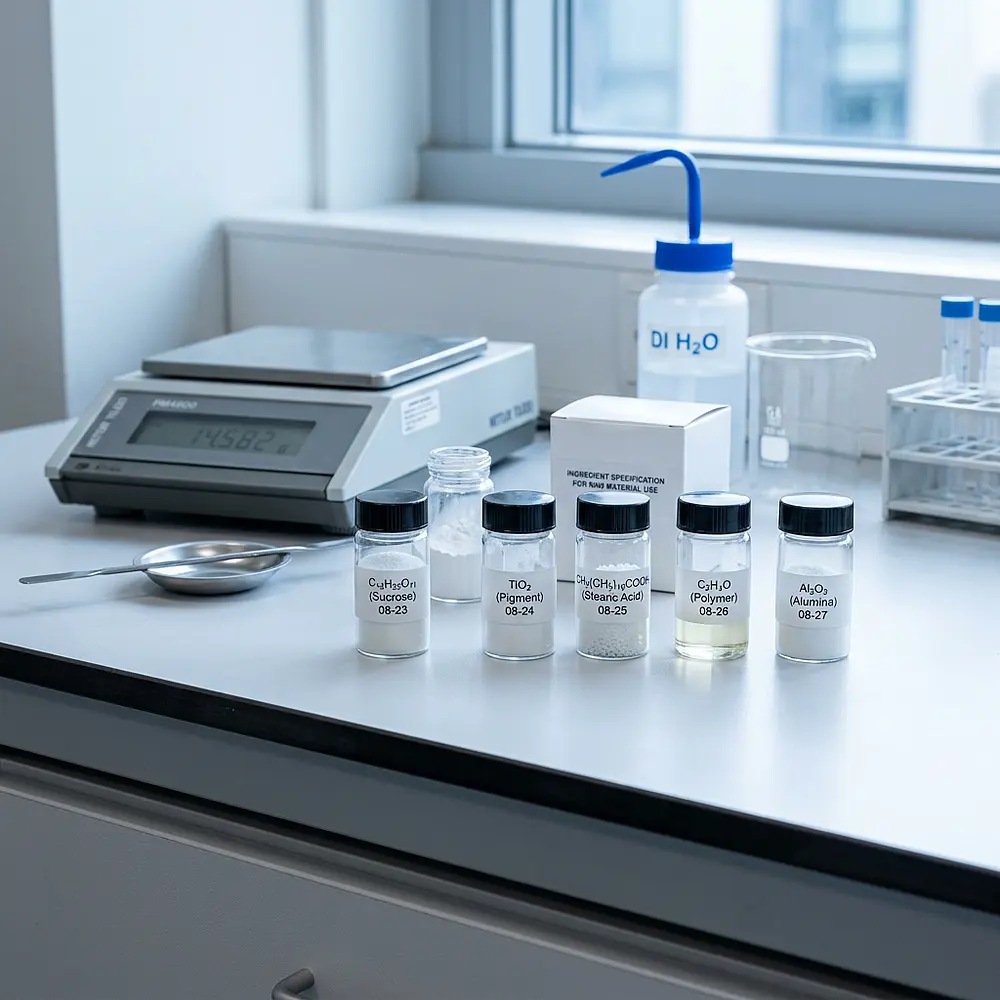
The most common shorthand is TiO₂ or TiO2, and the formal chemical name is titanium(IV) oxide. In industrial or older usage, you may also come across terms such as titania or titanium white.
Naming also depends on the label system. In food it may appear as E171, while in cosmetics it often appears as CI 77891.
Is titanium dioxide vegan?
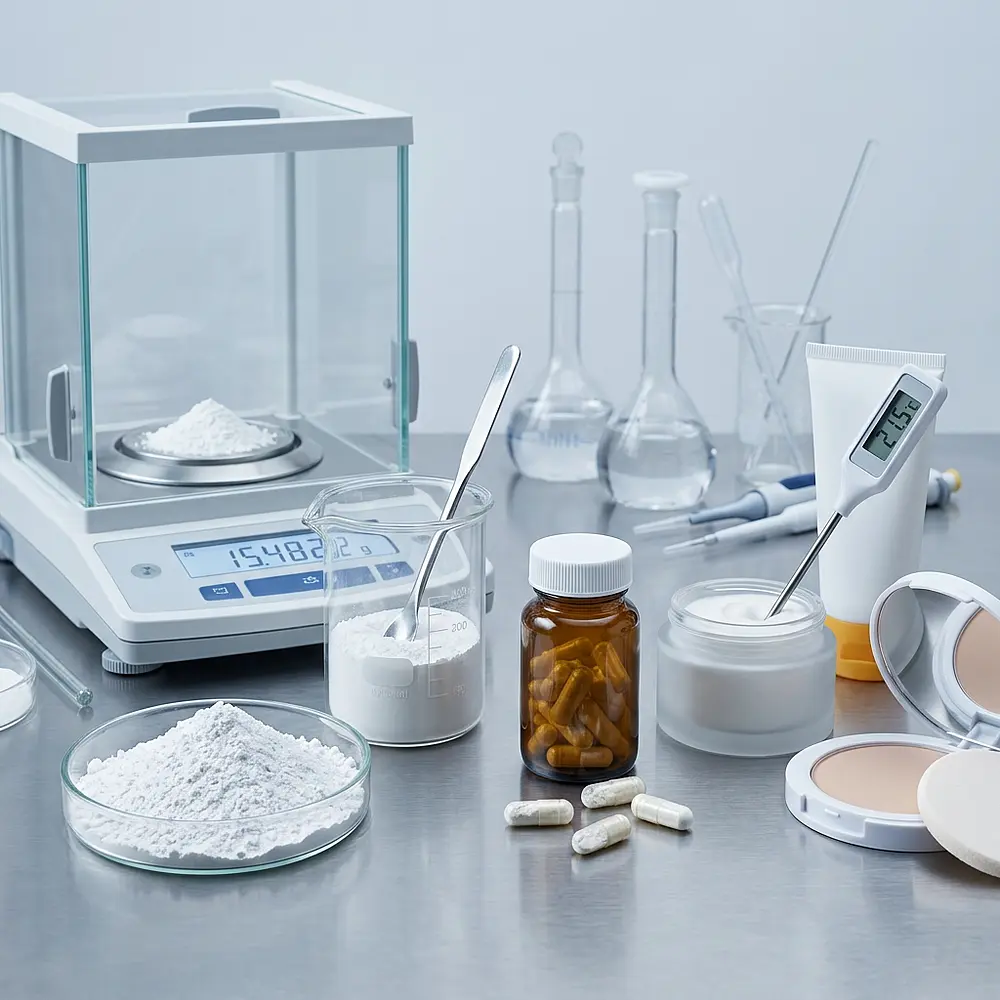
Yes, titanium dioxide itself is generally considered vegan because it is mineral-derived and does not come from animal sources. It is an inorganic ingredient rather than an animal-based one.
That said, a finished product containing TiO₂ is not automatically vegan overall. Capsules, confectionery, supplements, and cosmetics may include other ingredients that are not vegan.
What is titanium dioxide made of?
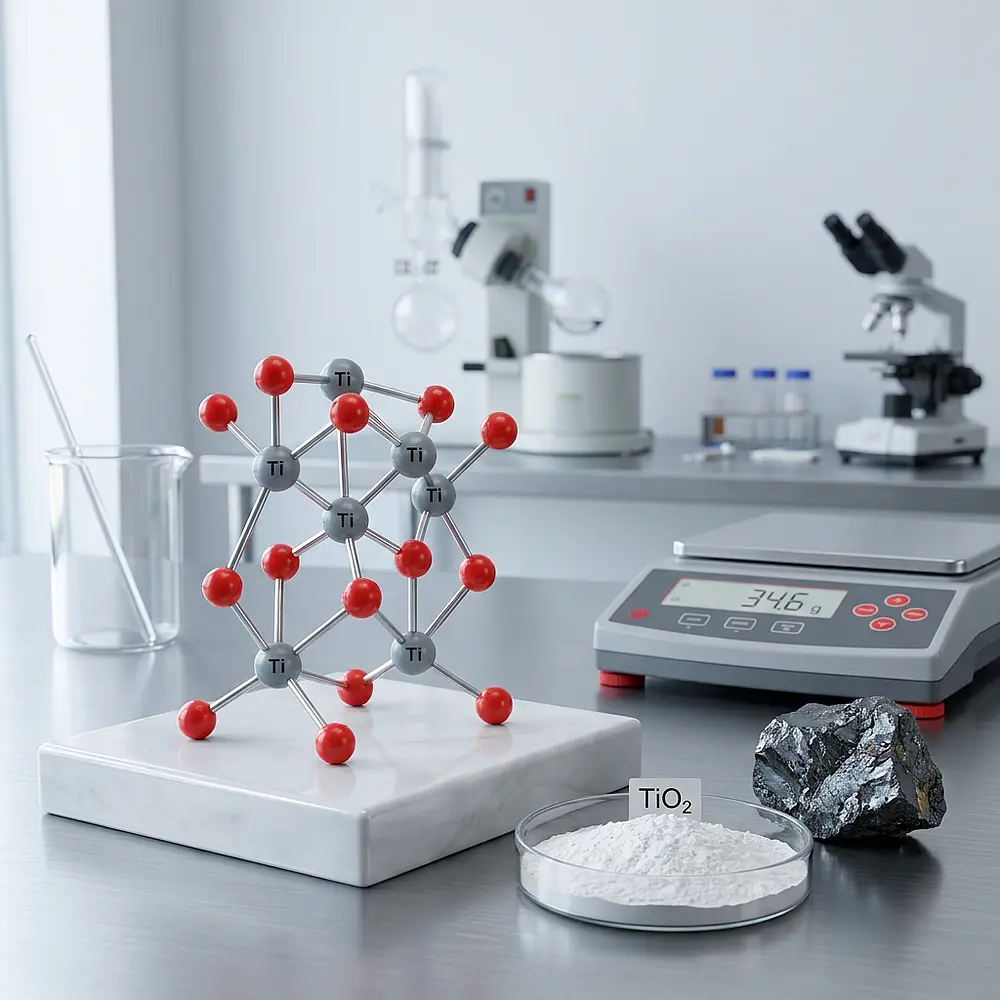
At the simplest level, titanium dioxide is a chemical compound made from titanium and oxygen. The name “dioxide” tells you that oxygen is part of the structure, and the formula TiO₂ shows that relationship in shorthand.
Commercial titanium dioxide is not usually used in raw mineral form. Instead, it is purified and processed from titanium-bearing ores so it can meet quality standards for specific products and applications.
Is titanium dioxide the same as titanium?
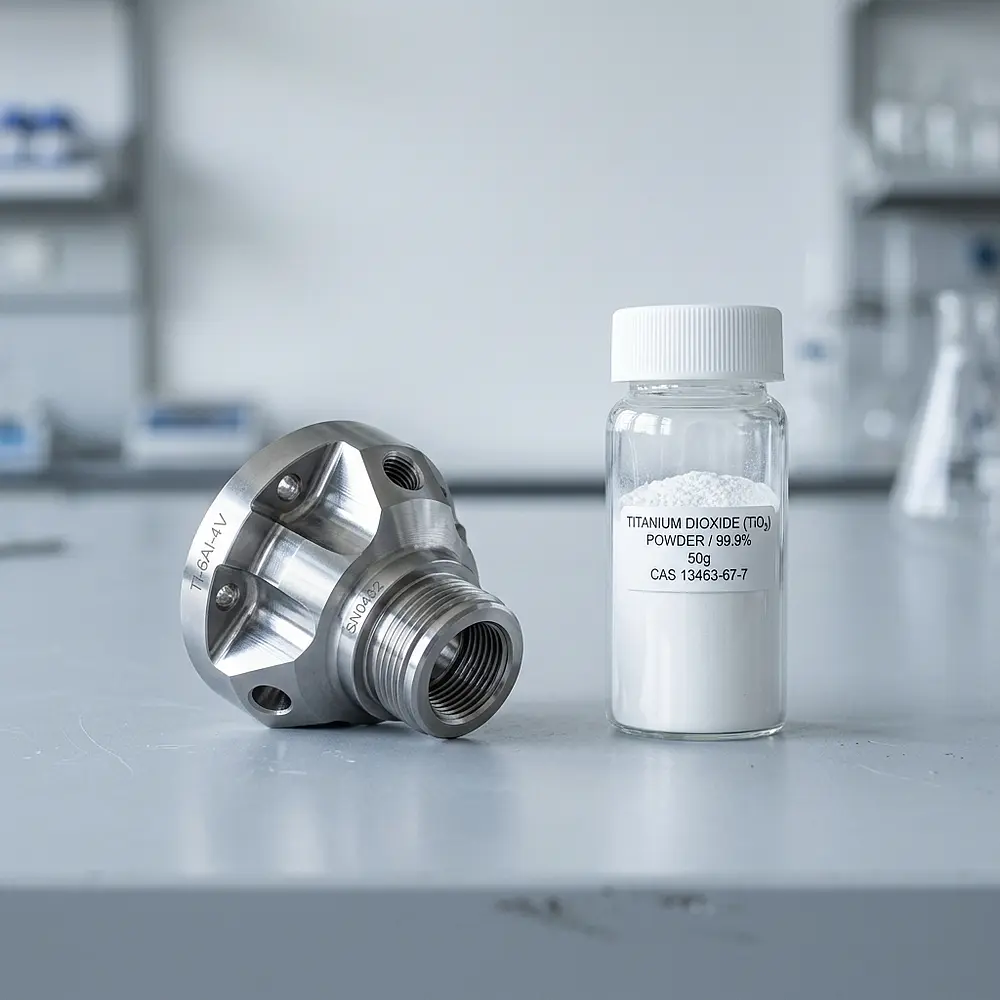
No. Titanium and titanium dioxide are related, but they are not the same substance. Titanium is a metallic element, while titanium dioxide is the compound formed when titanium is chemically bonded with oxygen.
This distinction matters because the materials behave very differently. Titanium metal is used for strength and corrosion resistance, whereas TiO₂ is mainly used as a white pigment, UV-related ingredient, and functional material.
Why is titanium dioxide in food?
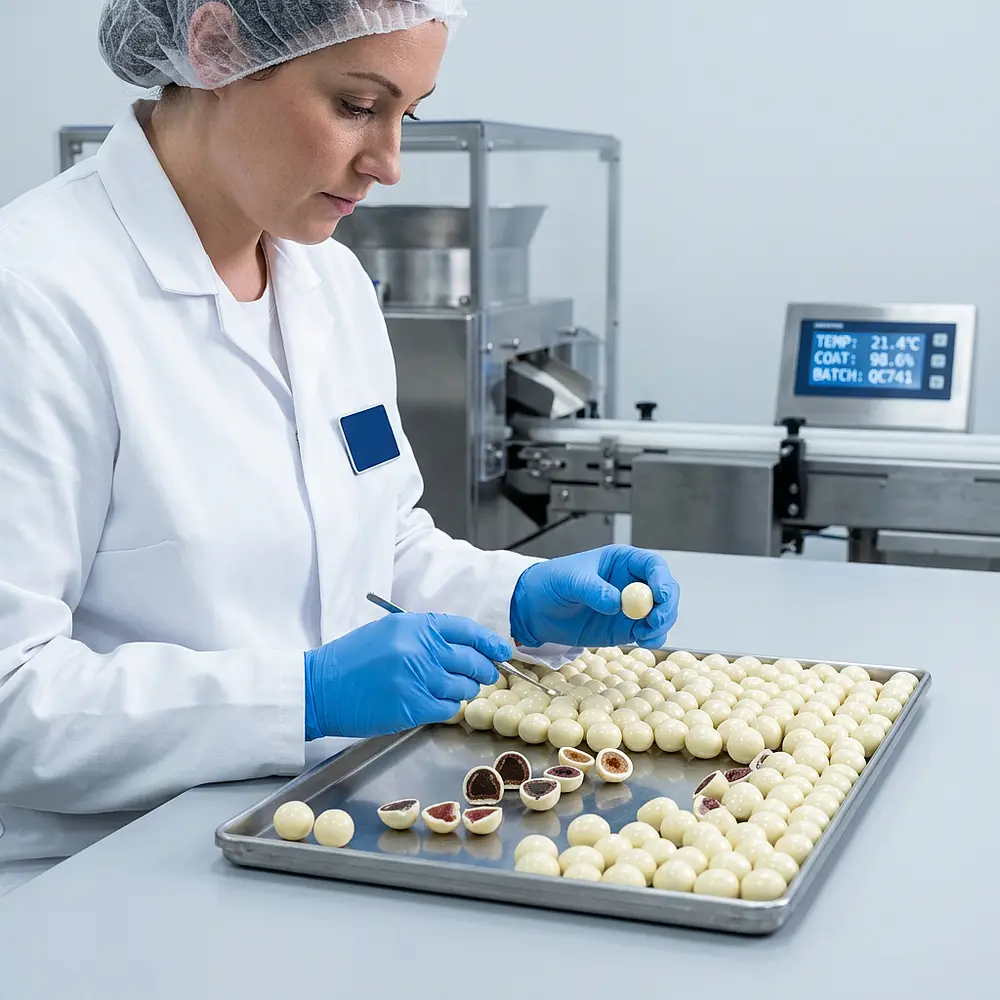
Its role in food has mainly been cosmetic rather than nutritional. Manufacturers have used it to brighten coatings, fillings, and decorative elements so products look whiter or more uniform.
That use has become controversial because regulators in different regions have reached different conclusions about the available evidence. As a result, whether you still see it on a food label depends largely on the country and the local rules.
FAQ
Why is titanium dioxide used in paint?
In paints, titanium dioxide is mainly used because it strongly improves the optical performance of a coating. It ensures that the paint film looks more even and that the substrate shows through less. This is especially important for white and light coatings, but also for tinted paints, whose appearance should look cleaner and more defined. In addition, the substance contributes to a higher-quality overall impression of the surface. For manufacturers, it is therefore a key ingredient in many formulations. In short: titanium dioxide is used in paint to improve hiding power, brightness, and the visible finish so that the painted result looks more convincing.
What is titanium dioxide used for in everyday products?
In everyday life, titanium dioxide is mainly used when products need to look more opaque, brighter, or visually more even. Typical examples include wall paints, coatings, plastics, paper, printing inks, toothpaste, cosmetics, and certain medicines. There, the substance improves the appearance because it reduces transparency and makes surfaces look cleaner and more vivid. In sun protection products, it also takes on a functional role in protecting against UV light. So the benefit varies somewhat depending on the product: sometimes the white color is the main point, sometimes better coverage, sometimes the light-protection function. That is exactly why the substance is so widespread in everyday applications.
How is titanium dioxide produced industrially?
Industrially, titanium dioxide is produced from titanium-rich raw materials, mainly ilmenite or rutile. Two main processes are used for this: the sulfate process and the chloride process. Both methods serve to extract titanium from the ore, purify it, and then recover it as a high-quality white pigment. After the actual production, the material is further processed so that it achieves the desired brightness, particle size, and workability for its later application. The result is no longer a raw mineral but a technically controlled material. This is how the titanium dioxide used in industrial products with consistent quality is created.
Where does titanium dioxide come from naturally?
Naturally, titanium dioxide occurs in titanium-bearing mineral deposits of the Earth's crust. Important sources are mainly rutile, anatase, and ilmenite, which are found in rocks as well as in heavy mineral sands. Such deposits form over very long geological time periods and are mined in various regions of the world. For consumers, it is important to know: the substance does not simply occur in nature as a finished everyday product, but as a component of ores and mineral deposits. Only after mining is the titanium-rich material further processed. The substance used in paints, cosmetics, or paper therefore has its origin in natural raw material deposits.
What does the formula TiO₂ mean?
TiO₂ is the chemical shorthand for titanium dioxide. The formula shows the fixed numerical ratio of atoms in the substance and serves to clearly distinguish the compound from other titanium compounds. In other words, it states how the substance is chemically composed. The notation helps in technical texts, on labels, and in technical data sheets because it is internationally understandable and very compact. It is also important to note: the formula alone does not indicate what the material is used for or what quality it has. It only describes the chemical identity of the substance, not its specific product form.
What is titanium dioxide made of?
Titanium dioxide is chemically composed of the elements titanium and oxygen. This refers to a clearly defined compound that, in practice, is usually found as a very fine white pigment. For the material properties, purity, particle size, and crystal structure are especially important. That is why the substance is technically processed so that it can be worked well into paints, plastics, paper, or cosmetics. Crucially: it is not a collective term for various ingredients, but a single substance with fixed chemical properties. Depending on the application, this compound is then used in a suitable quality and processing form.
What is titanium dioxide in simple terms?
Titanium dioxide is a white mineral-based compound made from titanium and oxygen. In simple terms, it is a very bright white powder that helps products look whiter, more opaque, and better covered. Because it reflects light well, it is widely used as a pigment in things like paint, coatings, plastics, paper, cosmetics, and some medicines. You may also see it on labels as TiO₂. People often notice it because it is common in everyday products and has practical jobs: making colors look cleaner, blocking show-through, and improving brightness. It is not the same thing as pure titanium metal.
Is titanium dioxide vegan?
Yes, titanium dioxide is generally considered vegan, because the substance is mineral in origin and is not derived from animal ingredients. That answers the question about this single ingredient, but not about the whole product. A cream, a makeup, or a sunscreen containing titanium dioxide can still contain other, non-vegan ingredients. Animal testing also depends on the brand, market, and product policy. Anyone shopping specifically for vegan products should therefore not just look at this one ingredient, but check the full ingredient list and, ideally, a clear vegan label as well. The ingredient itself, however, is usually classified as vegan.
Is titanium dioxide natural or synthetic?
Titanium dioxide occurs both naturally and is also processed industrially. The substance exists in nature in mineral deposits, but for practical use it is normally not taken unchanged directly from there. Instead, the raw materials come from mining and are then purified and technically processed so that a consistent quality is achieved. That is why it is misleading to describe it only as "natural" or only as "synthetic." The substance itself has a natural origin, but the form used in everyday products is usually an industrially manufactured end product. This is the most accurate way to explain why both terms partly apply.
Are titanium dioxide nanoparticles harmful?
Titanium dioxide nanoparticles are not automatically harmful. What matters most is the way people are exposed to them. For products on intact skin, use is generally assessed differently than inhaling fine particles. More attention is therefore given to applications where dust, spray, or aerosols can form, because very small particles can reach deep into the lungs. For this reason, loose powders and spray products are viewed more critically than creams or lotions. The question can therefore not be answered in a blanket way. What always matters is the specific use: skin contact is different from inhaling particles in the air.
Is titanium dioxide safe to eat?
Whether titanium dioxide is considered safe to eat is not assessed the same way everywhere. In the United States, the substance remains permitted in food under the rules there, while the European Union no longer approves it as a food additive. The question is therefore less a simple yes-or-no matter than one of looking at the relevant regulation. At its core, it is about the assessment of possible long-term risks from intake through food. Anyone wanting to be cautious can check processed products more closely and read the ingredient list. In short: the assessment of eating safety depends heavily on which authority you follow.
Is titanium dioxide approved by the FDA?
Yes, the FDA permits titanium dioxide for certain applications. What matters, however, is always the product category in which the substance is used and under what conditions this happens. In the US, there are corresponding regulations for areas such as food, pharmaceuticals, cosmetics, and sun protection. This approval is therefore not unlimited but tied to specific requirements. It also follows that the mere mention of the substance does not say anything about whether every conceivable use would be permitted. Anyone wanting to understand the FDA assessment should always look at the specific application area. The short answer is: yes, but only for clearly defined and regulated uses.
Is titanium dioxide banned in food?
No, titanium dioxide is not banned worldwide in food. What always matters is the specific country or market. In the European Union, the substance is no longer approved as a food additive. In the United States, it remains permitted under the FDA rules that apply there. As a result, formulations can differ depending on the sales region, even if it appears to be the same product. For consumers, this means: the legal situation cannot be answered in a blanket way, only in a regional context. Anyone wanting certainty should check the labeling and the regulations of the country where the food product is sold.
Is titanium dioxide the same as titanium metal?
No, titanium dioxide is not the same as titanium metal. Although both are related to the element titanium, they are different materials with completely different properties. Titanium metal is a metallic material valued for its strength, low weight, and corrosion resistance. Titanium dioxide, on the other hand, is mainly used where strong whiteness, good hiding power, or UV protection are required. Their appearance is also fundamentally different: one is a metal, the other a compound used for pigment and filter applications. The shared name therefore does not mean that the two substances are comparable in use or function.
Why is titanium dioxide used in sunscreen?
Titanium dioxide is used in sunscreen because it acts as a mineral UV filter. It helps keep harmful UV radiation away from the skin and is therefore suitable for sun protection products. A practical advantage is that the protection is available immediately after application. In addition, the substance is often used in products for sensitive skin. Modern formulations often use very fine particles so the cream leaves less white residue on the skin and feels more pleasant cosmetically. For assessment purposes, it is important to distinguish between normal use on the skin and inhaling fine particles, for example with sprays or loose powders.