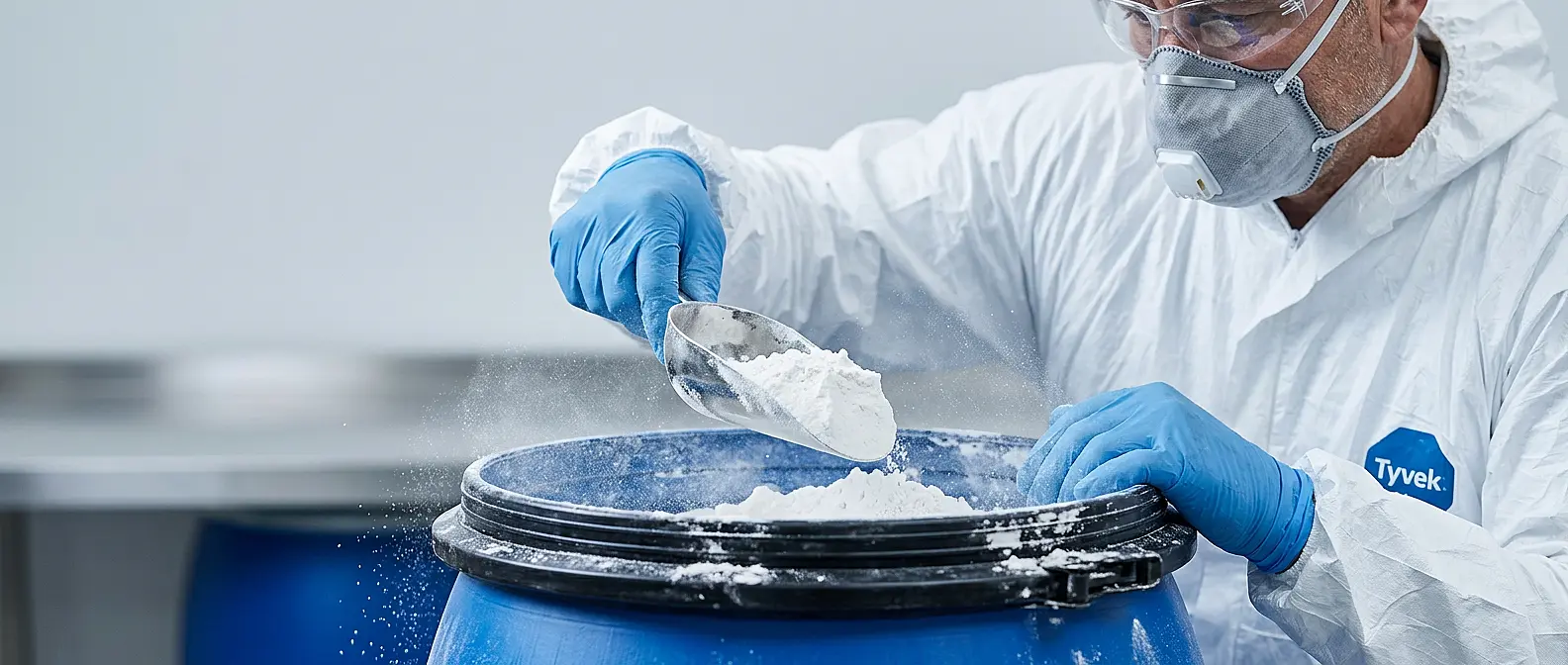
Titanium Dioxide Cancer: What the Evidence Actually Says
Does titanium dioxide cause cancer? The honest answer is that the question cannot be answered for "titanium dioxide" as a single substance — and that is the most important thing to understand before you read anything else. Whether a cancer hazard applies to you depends almost entirely on how you are exposed and on the particle form involved. Inhaling respirable dust in an industrial setting is a completely different situation from swallowing a food coloring or applying a sunscreen to your skin, and the regulators who have looked at these routes have reached very different conclusions for each. If you have seen headlines linking titanium dioxide to cancer, you have almost certainly seen a claim about one exposure route being quietly generalized to all of them. On this page we untangle that confusion using only what the named agencies — IARC, NIOSH, ECHA, EFSA, and the FDA — have actually documented. Where the science is genuinely unresolved, we say so plainly rather than reassure or alarm you. Read on to see exactly what each classification means, and which one, if any, is relevant to you.
Table of Contents
- IARC Group 2B: What 'Possibly Carcinogenic' Actually Means
- Why Inhalation Is the Critical Exposure Route
- Particle Size Matters: The NIOSH Fine vs. Ultrafine Split
- The EU's Carc. 2 Classification Was Annulled by the Courts
- Titanium Dioxide in Food (E171): A Genotoxicity Concern, Not a Cancer Finding
- What This Means in Practice: A Guide by Exposure Group
- FAQ
IARC Group 2B: What 'Possibly Carcinogenic' Actually Means

The IARC titanium dioxide classification places the substance (CAS 13463-67-7) in Group 2B, "possibly carcinogenic to humans," as recorded in IARC Monographs Volumes 47 and 93 (classification year 2010). Volume 93, titled "Carbon black, titanium dioxide, and talc," reflects a Working Group that met in Lyon from 7 to 14 February 2006 and assessed the carcinogenic hazard of poorly soluble particles upon inhalation by humans. The interpretation matters more than the label: Group 2B is a hazard category, not a risk estimate. It does not claim that titanium dioxide causes cancer in people under real-world exposures, and it explicitly signals that the available evidence is not sufficient to draw that conclusion. The following subsections unpack the evidence-strength meaning of that category and the narrow inhalation mandate behind it, and why that distinction shapes everything that follows.
What Group 2B Does and Does Not Assert (Hazard, Not Risk)
Read as a statement about evidence strength, the 2010 Group 2B listing tells you what the studies could and could not establish. In IARC's framework, this category typically reflects limited evidence of carcinogenicity in humans together with less-than-sufficient evidence in experimental animals — or the reverse — which means the data raise a question without answering it. "Limited" and "inadequate" are technical descriptors of an incomplete evidentiary record, not softened ways of saying "confirmed." The label therefore attaches no dose-response estimate and issues no verdict that cancer causation is established; it marks an open question rather than a demonstrated effect. Practically, that reading directs attention to the settings where exposure could plausibly matter — chiefly respirable dust — rather than to trace amounts encountered in daily life. How particles behave physically, including their crystal form, is covered in our comparison of rutile vs anatase. The next subsection turns from what the category means to the specific scenario IARC was actually asked to judge.
Why the Classification Is Route-Specific (Inhalation of Poorly Soluble Particles)
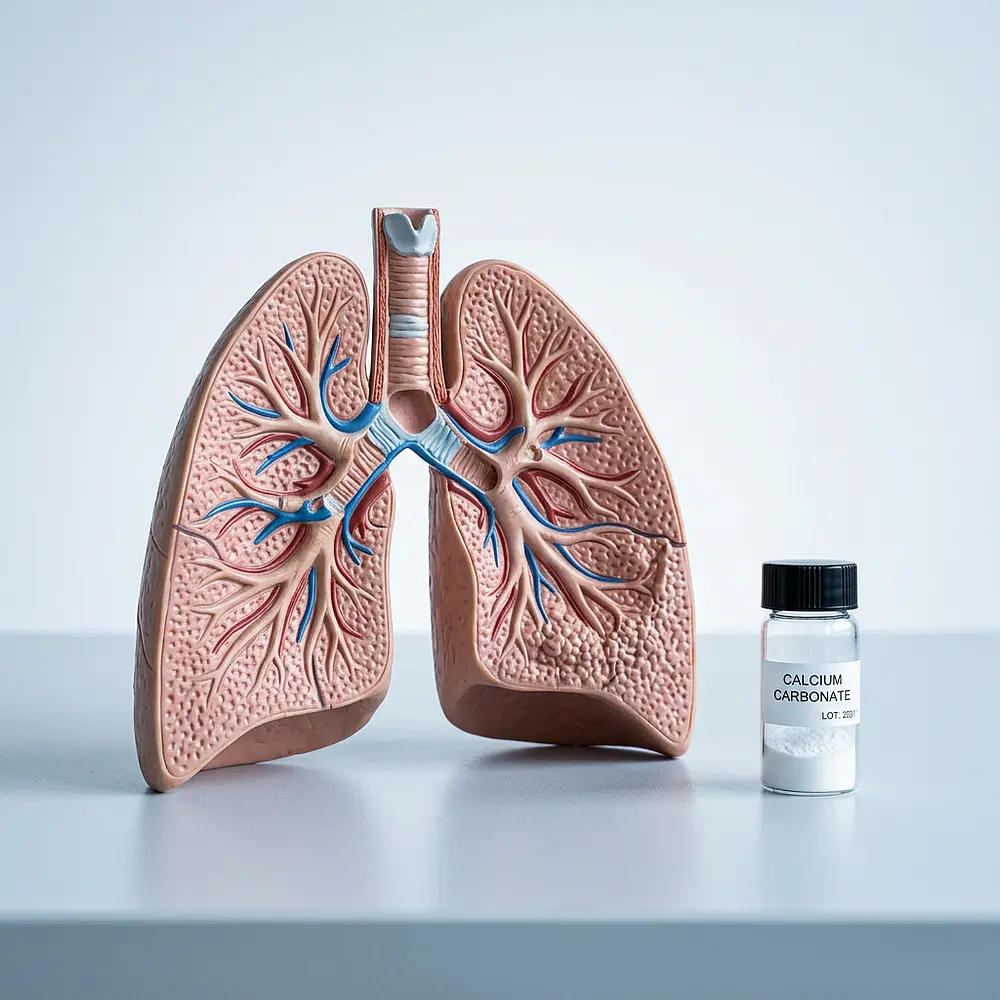
The Working Group behind Volume 93 was mandated to assess a single scenario: the inhalation of poorly soluble particles by humans, a scope shared in that same volume with carbon black and talc. That specific mandate — not a general survey of every way a person might encounter titanium dioxide — is why the Group 2B outcome attaches to inhaled dust rather than to oral ingestion in food or dermal application on skin, which rest on different evidence bases and different regulatory instruments. It also explains why the category keeps unusual company: the listing, carried jointly by Volumes 47 and 93, groups titanium dioxide alongside many common agents assessed under equally narrow mandates and equally incomplete evidence, which is precisely why a listing here cannot be read as a blanket judgment on the substance in every form. This route-specificity is the interpretive key used throughout the sections that follow, connecting IARC's hazard category to the occupational exposure evidence and to the EU's inhalation-only labelling rules.
Why Inhalation Is the Critical Exposure Route
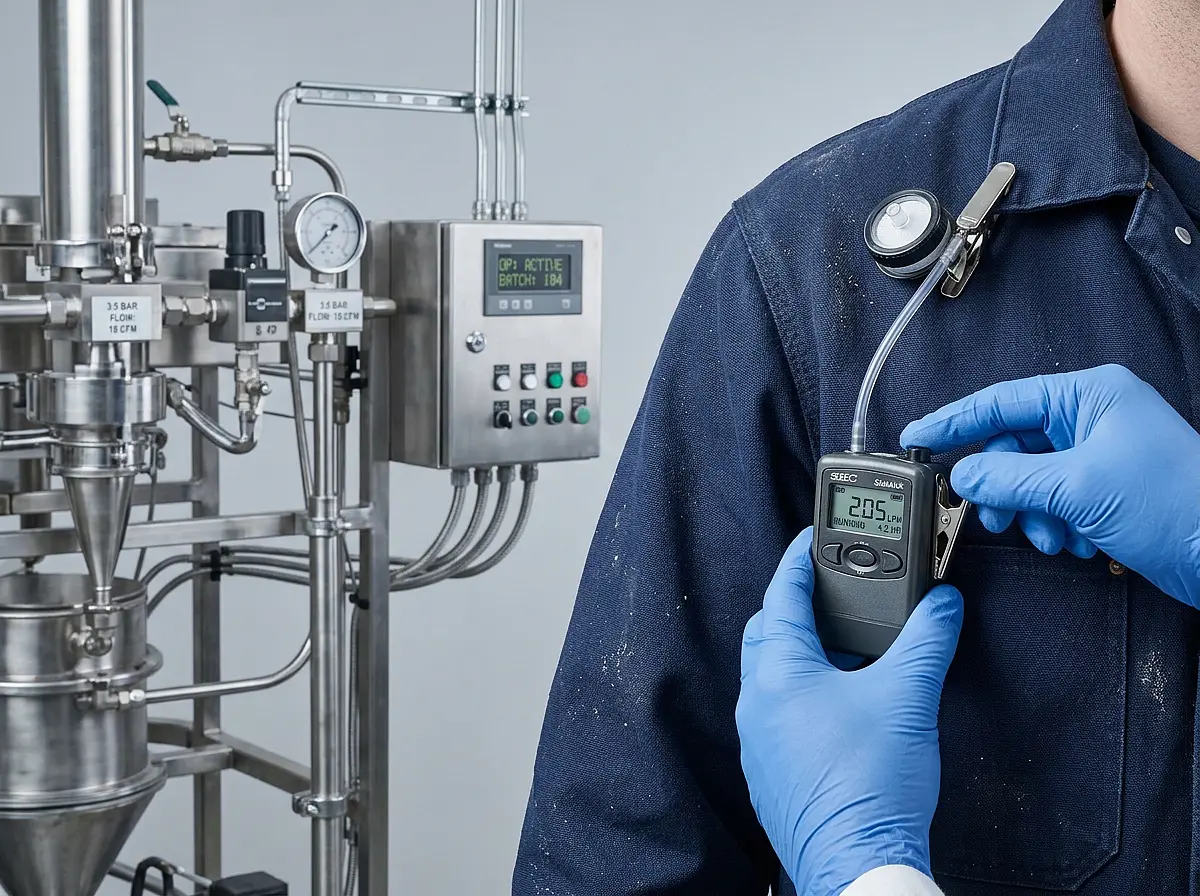
The occupational cancer classifications discussed here rest almost entirely on the inhalation evidence base. CAREX Canada, citing IARC, summarizes that rat inhalation studies showed an increased incidence of lung cancer, and that exposed workers may experience reduced lung function, pleural thickening, and mild fibrotic changes. The occupational settings with relevant exposure are specific: titanium mines, titanium dioxide production — particularly milling and packaging — and site cleaning and maintenance. The biological pathway behind the inhalation concern is not a classical chemical one but a burden-driven lung effect, set out in full in the next subsection. What matters at this stage is the contrast in route: dust drawn deep into the lung is the scenario the classification was written for, whereas the far more common everyday contact — through cosmetics and sunscreen on skin — is treated separately, as the dermal subsection explains.
The Lung-Overload Mechanism: Route-Dependent and Dose-Driven
The hazard from inhaled respirable titanium dioxide is best understood as a lung particle-overload effect rather than a classical chemical genotoxicity pathway. At sufficiently high cumulative dust burdens, the lung's clearance systems become overwhelmed, allowing particles to accumulate faster than they are removed; this sustained retention drives persistent inflammation and secondary tissue injury, which is the biological chain the classifications are concerned with. The effect is threshold-like and burden-driven, and the regulatory numbers reflect exactly that logic. The EU harmonised classification ties the hazard to respirable particles capable of reaching the deep lung and anchors it to conditions in which particle clearance is significantly impaired — the precise legal wording is set out under the EU scope-limit section below. NIOSH, in turn, derived its exposure limits directly from this dose-dependent, cumulative-burden reasoning, with the quantitative risk anchor detailed under the particle-size section. Cumulative dose, not mere presence, determines whether clearance is defeated — which is why the concern belongs to high-exposure occupational conditions rather than to trace amounts in ordinary settings.
Dermal Exposure (Sunscreen/Cosmetics): Not Expected to Match the Inhalation Risk
Because titanium dioxide reaches most people through sunscreen rather than industrial dust, the relevant question is whether skin contact reproduces the lung hazard. Per CAREX Canada, although most people encounter titanium dioxide via sunscreen, dermal absorption is not expected to carry the same risk as inhalation exposure. The reason is that the inhalation concern depends on the lung particle-overload chain explained above, which has no direct equivalent when a lotion sits on intact skin: the retention-and-clearance dynamics that drive the deep-lung effect simply do not arise at the skin surface. That is why CAREX Canada assesses the dermal route on its own terms rather than by transferring the inhalation classification to it. This subsection stays on that exposure-route contrast alone; the fuller dermal and UV-filter picture, including how the material behaves in finished sunscreen formulations, is set out in our guide to titanium dioxide sunscreen.
Particle Size Matters: The NIOSH Fine vs. Ultrafine Split
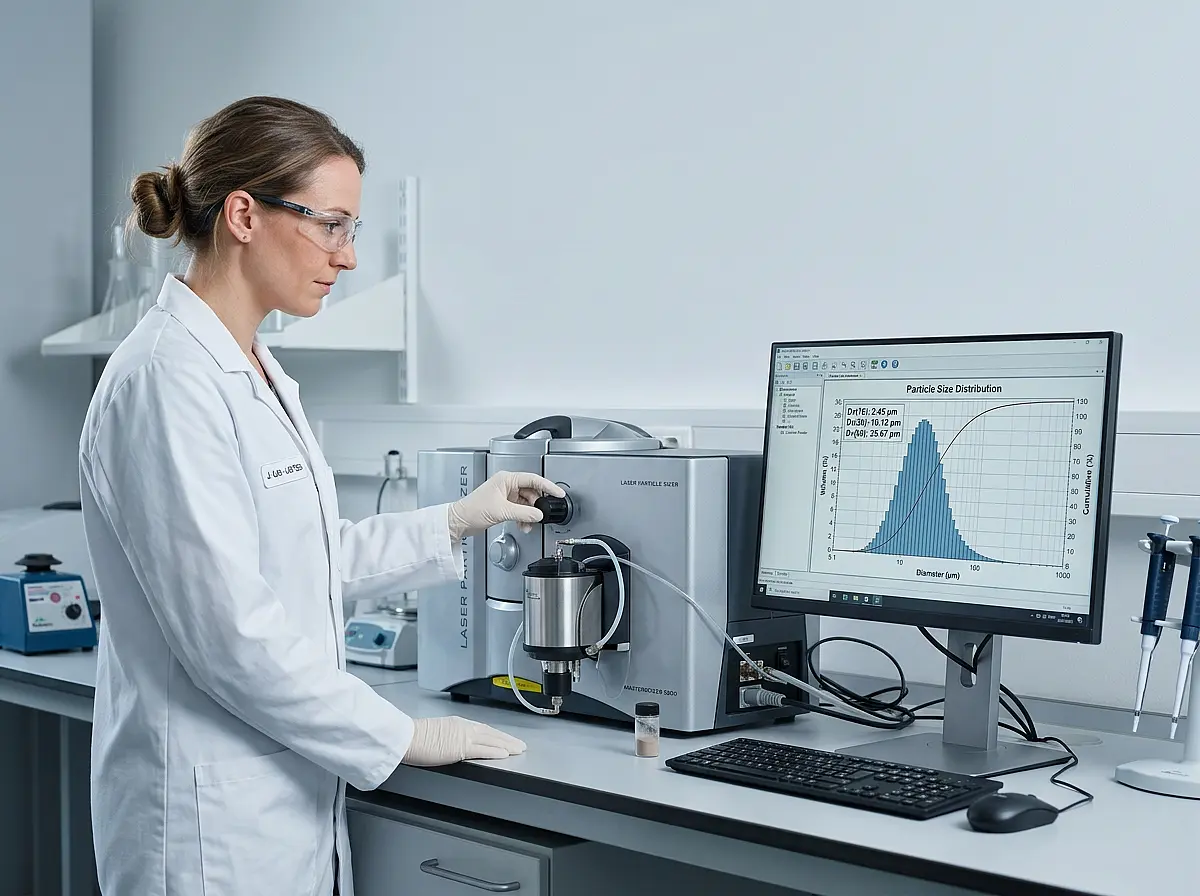
Occupational guidance from the United States sharpens this picture with a distinction that consumer-facing debates often miss: particle size. NIOSH Current Intelligence Bulletin 63 (DHHS (NIOSH) Publication No. 2011-160, April 2011) sets recommended exposure limits (RELs) as time-weighted averages for up to 10 hours per day across a 40-hour work week — 2.4 mg/m³ for fine titanium dioxide and 0.3 mg/m³ for ultrafine (including engineered nanoscale) titanium dioxide, an eight-fold difference. The way NIOSH treats titanium dioxide as a potential occupational carcinogen tracks this split precisely: ultrafine TiO₂ is classified as a potential occupational carcinogen, while NIOSH concluded there are currently insufficient data to classify fine TiO₂ that way. Both RELs were derived to keep the estimated excess lifetime lung cancer risk below 1 in 1,000 over a full working life. The lesson for readers is that "titanium dioxide and cancer" is misleading without specifying particle size — the finer, more deeply respirable fraction carries the concern.
The EU's Carc. 2 Classification Was Annulled by the Courts
The European Union's position on titanium dioxide and cancer has changed fundamentally, and a great many sources still describe the superseded version. Under Commission Delegated Regulation (EU) 2020/217 (CELEX 32020R0217), following an ECHA Risk Assessment Committee opinion of 14 September 2017, the EU introduced a harmonised classification of titanium dioxide as a carcinogen category 2 by inhalation with hazard statement H351, entered under index number 022-006-002 (EC 236-675-5, CAS 13463-67-7) and applicable from 1 October 2021. That classification no longer stands. On 23 November 2022 the EU General Court annulled it, holding that the Commission and the Risk Assessment Committee had committed a manifest error of assessment by relying on a key rat inhalation study (Heinrich et al., 1991) without adequately verifying its acceptability and reliability, and that the carcinogenicity identified did not follow from an intrinsic property of the substance. France and the Commission appealed; on 1 August 2025 the Court of Justice dismissed both appeals (Joined Cases C-71/23 P and C-82/23 P), making the annulment definitive, and a notice formalising the removal of the entry was published in the Official Journal on 10 December 2025. As things stand, titanium dioxide carries no harmonised EU carcinogen classification. The two subsections below set out what that former classification had actually covered, what the ruling does not say, and what became of the warning labels it required.
What the Annulled Classification Covered — and What the Ruling Does Not Say
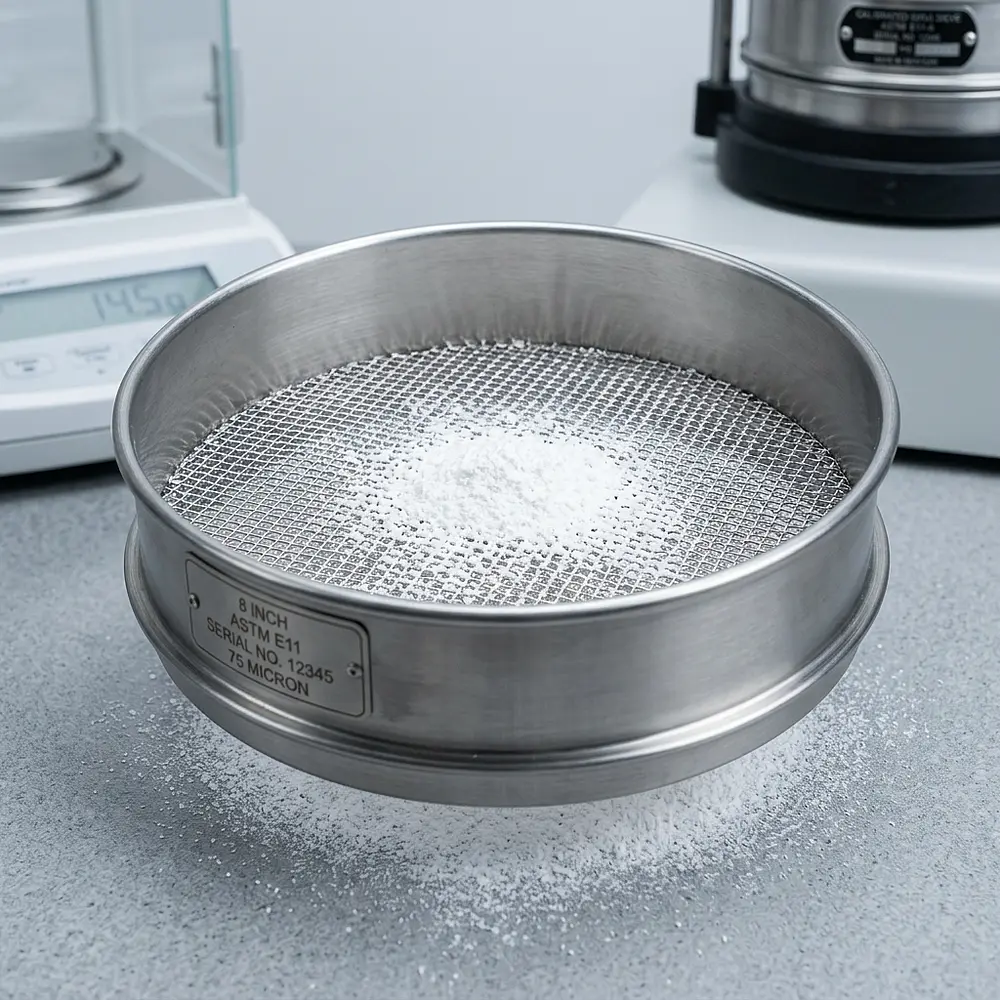
The scope of the former classification is worth understanding, because it was never a blanket verdict on titanium dioxide as such. It reached only mixtures in powder form containing 1% or more of titanium dioxide present in, or incorporated in, particles with an aerodynamic diameter of ≤10 micrometres. The regulation tied the hazard to conditions in which respirable dust is inhaled in quantities leading to significant impairment of particle clearance — the burden-driven, dose-dependent pathway described under the lung-overload mechanism above, rather than a classical chemical-genotoxic mode of action. Solid articles, dried coatings and liquid formulations in which no respirable dust can be generated were outside its reach from the start.
Equally important is what the courts did not decide. The annulment turned on the quality of the evidence base and on the legal test for classification — the reliance on a single rat study whose reliability had not been adequately verified, and the requirement that a classified hazard follow from an intrinsic property of the substance. It was not a judicial finding that inhaling titanium dioxide dust is harmless. The IARC Group 2B hazard listing discussed above is unaffected by the EU ruling, the US occupational exposure limits still stand, and workplace dust exposure remains subject to general health and safety obligations. What changed is the EU's harmonised classification and labelling duty, not the underlying scientific discussion about respirable dust.
EUH211 and EUH212: No Longer Required for Titanium Dioxide
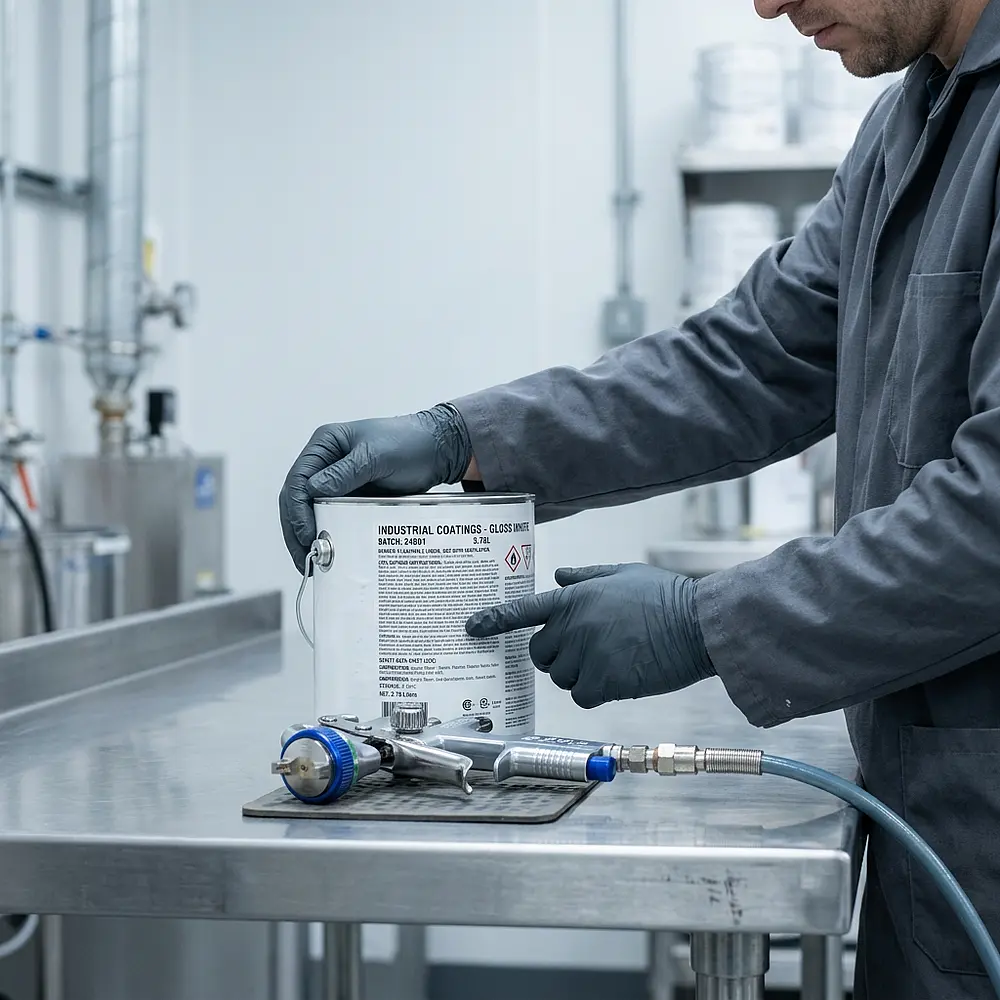
The same annulment removed the two application-time label phrases that Regulation (EU) 2020/217 had attached to titanium dioxide. EUH211 applied to sprayable liquid mixtures and read: "Warning! Hazardous respirable droplets may be formed when sprayed. Do not breathe spray or mist." EUH212 applied to solid or powder mixtures and read: "Warning! Hazardous respirable dust may be formed when used. Do not breathe dust." Both were triggered at the 1% respirable-particle threshold described above. With the classification struck down and the corresponding provisions withdrawn, neither phrase is required on the basis of a product's titanium dioxide content.
Consumers may nonetheless still encounter these warnings — on stock labelled before the change, or where a manufacturer chooses to keep them. Where they do appear, they carry the meaning they always had: a caution about breathing spray or dust at the moment of application. They were never a claim that a dried paint film, a tablet coating or a sunscreen lotion causes cancer, and reading them that way was a misinterpretation even while they were mandatory.
Titanium Dioxide in Food (E171): A Genotoxicity Concern, Not a Cancer Finding

The food-additive question stands apart from the inhalation debate because it rests on different evidence and a different regulatory logic. In its "Safety assessment of titanium dioxide (E171) as a food additive" (EFSA Journal 2021;19(5):6585, adopted 25 March 2021, doi 10.2903/j.efsa.2021.6585), EFSA concluded that E171 can no longer be considered safe when used as a food additive, because a concern for genotoxicity of the TiO₂ particles present in E171 could not be ruled out. This conclusion is frequently misread. EFSA did not conclude that E171 causes cancer; the inability to rule out a genotoxicity concern is a precautionary data-gap conclusion, not a positive finding of harm — and that difference governs how the whole food debate should be read. The next subsection stays strictly with the specific genotoxicity findings that produced this conclusion, and the section after it sets out how the European Union and the United States weigh comparable concerns under different precautionary standards.
Genotoxicity Evidence in EFSA 2021 (DNA Damage Signals Without Gene Mutation)
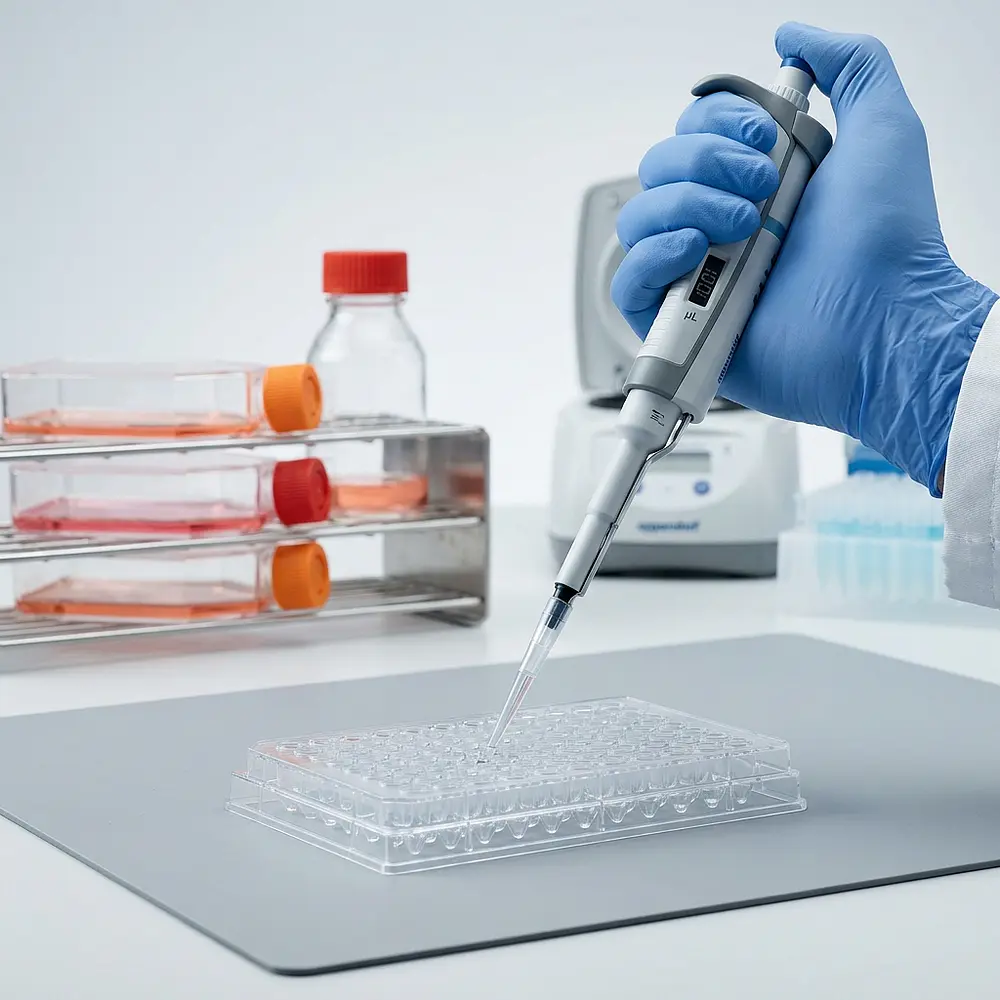
Looking closely at what EFSA reported in 2021, the picture around titanium dioxide genotoxicity is more specific than headlines suggest. EFSA found that TiO₂ particles have the potential to induce DNA strand breaks and chromosomal damage, yet they do not induce gene mutations — a distinction that separates one type of DNA signal from another. No clear correlation emerged between the physicochemical properties of the particles and the outcomes of in vitro and in vivo genotoxicity tests, and no cut-off value for particle size could be identified. A threshold mode of action could not be assumed with certainty, which is why EFSA could not establish a safe intake level. For how these detailed findings fit the broader non-cancer framing, see the food-overview section above; here the point is simply the granularity of what the genotoxicity testing did and did not show.
EU vs US Regulatory Outcomes for E171 (Precautionary Weighting)
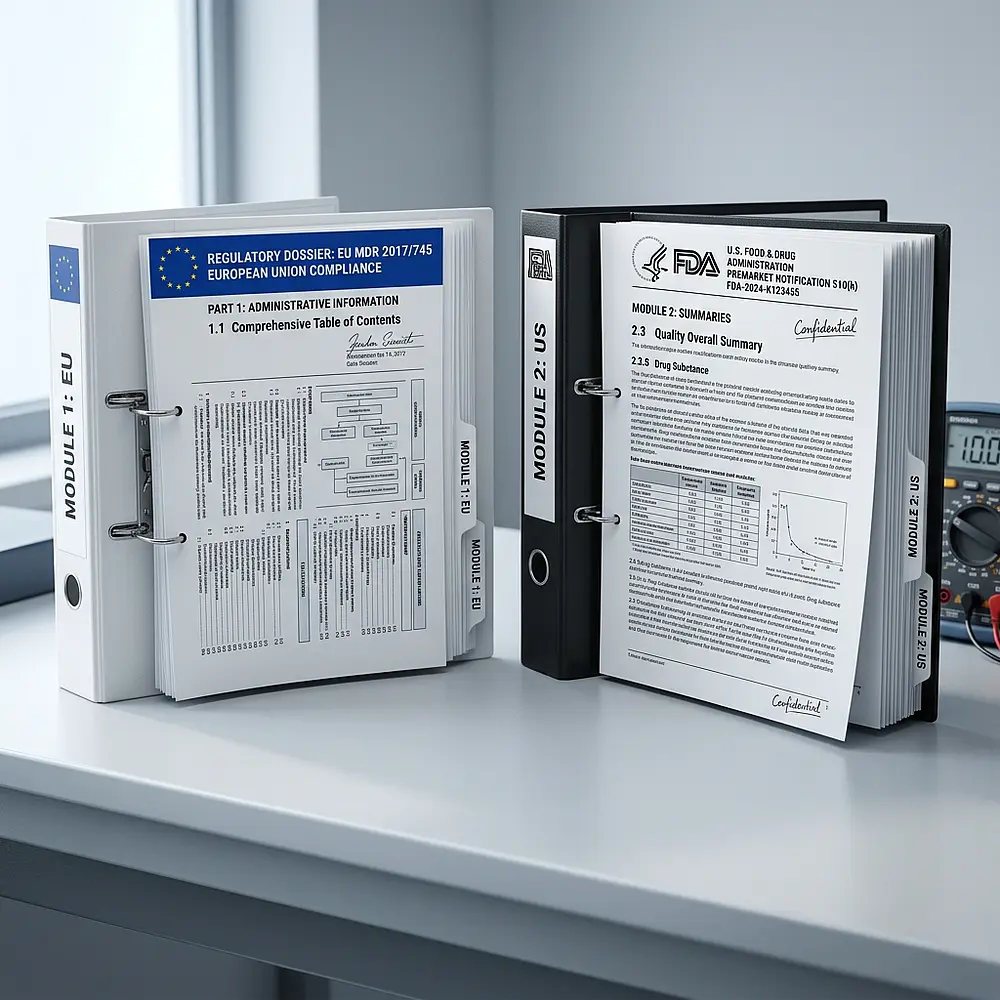
The divergence between EFSA and the FDA on E171 illustrates how one unresolved genotoxicity concern can be weighed under different precautionary standards. In the United States, titanium dioxide remains a permitted color additive under 21 CFR 73.575, capped at 1% by weight of the food, and is also cleared as a colorant in food-contact polymers under 21 CFR 178.3297. Per the FDA, titanium dioxide does not cause cancer in NTP carcinogenicity studies, and the agency notes that EFSA identified neither general organ toxicity nor reproductive and developmental effects, but could not exclude possible genotoxicity for TiO₂ nanomaterials. Where the EU treated that residual concern as sufficient to withdraw the "safe" status, the FDA has kept the additive permitted while the question stays open. The EU acted through Commission Regulation (EU) 2022/63 of 14 January 2022, which removed E 171 from the Union list of authorised food additives; it entered into force on 7 February 2022, followed by a six-month transitional period during which existing products could still be placed on the market. A color additive petition dated 14 April 2023 seeking repeal of 21 CFR 73.575 remains under FDA review, and JECFA re-evaluated the substance in 2023. Fuller E171 detail is set out in our guide to titanium dioxide in food.
What This Means in Practice: A Guide by Exposure Group

Reading the evidence group by group, rather than as a single verdict, makes the practical picture clearer:
- Industrial workers handling dry powder are the population the cancer hazard classifications were written for; the fine-versus-ultrafine occupational limits that reflect that focus are set out in the NIOSH particle-size section above.
- Consumers using sprayable or powdery products were the reason the EU introduced application-time warning phrases, since application can generate respirable droplets or dust. Those labelling duties lapsed with the annulment of the EU classification, but the underlying practical caution did not — see the section on EUH211 and EUH212 above.
- People eating food containing E171 face a status that differs by jurisdiction, as covered in the EU-versus-US comparison above.
- People applying sunscreen or cosmetics to intact skin fall under a different logic again, explained in the dermal exposure section above.
For the broader safety overview, see is titanium dioxide safe?; for the dermal and UV-filter case specifically, see titanium dioxide in sunscreen; and for how industrial powder is produced and handled, see titanium dioxide pigment. The chemical and physical base data are covered in our TiO₂ overview. This is informational and not medical advice.
FAQ
Is titanium dioxide still classified as a carcinogen in the European Union?
No — not since the EU courts annulled that classification. Commission Delegated Regulation (EU) 2020/217 had classified titanium dioxide as a **carcinogen category 2 by inhalation**, carrying hazard statement H351, index number 022-006-002, EC 236-675-5 and CAS 13463-67-7. Even then it was never a blanket classification: it applied only to **mixtures in powder form containing 1% or more** of titanium dioxide present in, or incorporated in, particles with an aerodynamic diameter of **≤10 micrometres**, and it anchored the hazard to respirable dust inhaled in quantities that significantly impair particle clearance. The EU General Court annulled the classification on **23 November 2022**, finding that the Commission and ECHA's Risk Assessment Committee had made a manifest error of assessment in relying on a rat inhalation study (Heinrich et al., 1991) without adequately verifying its reliability, and that the carcinogenicity identified did not follow from an intrinsic property of the substance. The Court of Justice dismissed the appeals on **1 August 2025** (Joined Cases C-71/23 P and C-82/23 P), and a notice formalising removal of the entry was published in the Official Journal on **10 December 2025**. Titanium dioxide therefore has no harmonised EU carcinogen classification today — though the ruling concerned the adequacy of the evidence and the legal test for classification, not a finding that inhaling TiO₂ dust is harmless.
Which occupations carry the highest inhalation exposure to titanium dioxide dust?
Workers in **titanium dioxide production** face the highest inhalation exposures, particularly those involved in **milling and packaging** operations, where respirable dust concentrations are greatest. **Site cleaning and maintenance** workers at TiO₂ facilities also carry significant exposure. Beyond manufacturing, workers in **titanium mines** represent another high-exposure group. These occupational settings are specifically identified by CAREX Canada, citing IARC, as the scenarios where dust burdens relevant to the lung particle-overload mechanism can realistically accumulate. The concern is not simply contact with the substance but sustained, cumulative inhalation of respirable particles — the dose-dependent, clearance-defeating pathway that underpins the occupational classifications.
What workplace exposure limits has NIOSH set for fine and ultrafine titanium dioxide, and what cancer risk level were they designed to achieve?
NIOSH Current Intelligence Bulletin 63 (Publication No. 2011-160, April 2011) sets recommended exposure limits (RELs) as time-weighted averages for up to 10 hours per day over a 40-hour work week: 2.4 mg/m³ for fine titanium dioxide and 0.3 mg/m³ for ultrafine (including engineered nanoscale) titanium dioxide. Both RELs were derived using a risk model anchored to rat inhalation data and adjusted for human lung dosimetry. The eight-fold difference between the two limits reflects the greater lung penetration and slower clearance of smaller particles. Notably, NIOSH classified ultrafine TiO₂ as a potential occupational carcinogen, while concluding there are currently insufficient data to apply that classification to fine TiO₂.
How do fine and ultrafine titanium dioxide differ in occupational cancer risk according to NIOSH?
NIOSH *Current Intelligence Bulletin 63* (2011) draws a clear distinction between the two particle categories. For **fine** titanium dioxide, NIOSH concluded there are currently insufficient data to classify it as a potential occupational carcinogen, setting a recommended exposure limit (REL) of **2.4 mg/m³**. For **ultrafine (nanoscale)** titanium dioxide, NIOSH classified it as a **potential occupational carcinogen**, reflecting greater concern about the more deeply respirable fraction, with a substantially stricter REL of **0.3 mg/m³** — an eight-fold difference. Both limits were derived to keep estimated excess lifetime lung cancer risk below **1 in 1,000** over a full working life. The key takeaway is that "titanium dioxide and cancer risk" is meaningless without specifying particle size.
Why did IARC classify titanium dioxide as "possibly carcinogenic to humans" based on rat studies, and how applicable are those findings to humans?
IARC's Group 2B classification was based primarily on rat inhalation studies showing increased lung tumor incidence at high cumulative dust burdens. The biological pathway behind the inhalation concern is not a classical chemical one but a burden-driven lung particle-overload effect: at sufficiently high cumulative dust burdens, the lung's clearance systems become overwhelmed, allowing particles to accumulate faster than they are removed, driving persistent inflammation and secondary tissue injury. The evidence from human epidemiological studies was considered limited rather than sufficient. Consequently, IARC placed titanium dioxide in Group 2B — reflecting a genuine but unresolved question, not confirmed human carcinogenicity. The Working Group behind Volume 93 met in Lyon from 7 to 14 February 2006 and assessed the carcinogenic hazard of poorly soluble particles upon inhalation by humans.
What does IARC's Group 2B classification for titanium dioxide actually mean — and what does it not mean?
IARC's Group 2B classification means titanium dioxide is **"possibly carcinogenic to humans"** — a statement about the *strength of evidence*, not a confirmed verdict. It signals that available data raise a question without answering it definitively. In IARC's framework, Group 2B typically reflects limited or inadequate evidence, meaning the evidentiary record is incomplete rather than pointing clearly toward causation. Critically, what the classification does **not** mean: it carries no dose-response estimate, no finding that titanium dioxide causes cancer in people under real-world conditions, and no judgment about oral or dermal exposure. The Working Group behind IARC Monographs Volumes 47 and 93 was specifically mandated to assess **inhaled poorly soluble particles** — making this a route-specific hazard category, not a blanket statement about the substance in every form or application.
Does titanium dioxide cause cancer?
The answer to whether titanium dioxide causes cancer cannot be given for the substance as a single, uniform entity. The honest position is that **it depends entirely on how you are exposed and which particle form is involved**. Inhaling respirable industrial dust is a fundamentally different scenario from swallowing a food coloring or applying sunscreen to intact skin, and the regulatory agencies that have examined each route — IARC, NIOSH, ECHA, EFSA, and the FDA — have reached different conclusions for each. Headlines linking titanium dioxide to cancer almost invariably describe one specific exposure route, then quietly generalize it to all others. That generalization is where the confusion begins.
Which groups face which level of concern: industrial workers, spray users, people eating E171 foods, and sunscreen users?
The evidence matters differently for each group. Industrial workers face the most documented concern: sustained inhalation of respirable dust — especially ultrafine particles — at high cumulative burdens can overwhelm lung clearance, driving persistent inflammation; NIOSH's recommended exposure limits address precisely this scenario. Consumers of sprayable products face a narrower but real inhalation risk during application, which is why the EU introduced EUH211 spray warnings for mixtures containing 1% or more respirable TiO₂ — a labelling duty that lapsed when the EU classification was annulled, though the practical advice not to breathe spray or dust is unchanged. People eating E171-containing foods were subject to EFSA's 2021 genotoxicity concern — E171 has been banned in the EU since 2022, and the FDA has yet to finalize its review of a 2023 revocation petition. Sunscreen users applying products to intact skin face the least evidence-supported concern, as neither the lung-overload nor the genotoxicity pathway is triggered dermally.
What is the lung particle-overload mechanism behind the hazard classification, and how does it differ from genotoxicity?
Titanium dioxide's hazard classification rests on a **lung particle-overload mechanism**, not classical chemical genotoxicity. At sufficiently high cumulative dust burdens, the lung's clearance systems become overwhelmed — particles accumulate faster than they are removed, driving persistent inflammation and secondary tissue injury. This is threshold-like and burden-driven: cumulative dose, not mere chemical reactivity, determines whether clearance is defeated. Classical chemical genotoxicity, by contrast, involves a substance directly damaging DNA through reactive molecular interactions, independent of physical particle burden. The EU's now-annulled classification under Regulation (EU) 2020/217 had anchored the hazard explicitly to conditions where *"respirable dust is inhaled in quantities leading to significant impairment of particle clearance"* — precisely this overload pathway rather than a genotoxic mode of action. That distinction still shapes how occupational bodies such as NIOSH and IARC frame the concern, even though the EU classification itself no longer stands.
What is the significance of the colour additive petition filed with FDA on 14 April 2023, and what is its current status?
On 14 April 2023, the Center for Food Safety and the Environmental Defense Fund filed a colour additive petition with the FDA formally requesting that the agency revoke the authorization for titanium dioxide as a permitted food colour additive in the United States. The petition cited EFSA's 2021 safety reassessment of E171, which concluded that titanium dioxide could no longer be considered safe as a food additive due to an unresolved genotoxicity concern. As of 3 September 2026, the FDA has not publicly finalized a response to that petition, meaning titanium dioxide remains an authorized colour additive under US federal regulations while the petition is under review.
Is titanium dioxide still a permitted food additive in the United States, and what is FDA's current position compared to EFSA's?
In the United States, titanium dioxide remains a permitted food color additive as of September 2026. The FDA has not revoked its approval, and the substance continues to be listed as safe for use in food under existing regulations. This contrasts with the EU's position: following EFSA's 2021 reassessment, the EU banned E171 in food under Commission Regulation (EU) 2022/63, effective 7 February 2022. The FDA and EFSA therefore currently hold divergent positions — the US maintains approval while the EU has prohibited its use in food. This regulatory divergence reflects differing frameworks for handling unresolved uncertainty: where EFSA treats an inability to set a safe threshold as grounds for withdrawal, FDA has not yet acted on the same basis.
How does a genotoxicity concern differ from a cancer classification, and why does that matter for EFSA's 2021 opinion?
Genotoxicity and cancer classification are related but distinct concepts, and conflating them distorts what EFSA's 2021 opinion on E171 actually concluded. A genotoxicity concern means there is evidence — even inconclusive evidence — that a substance may damage DNA or chromosomes. EFSA found it could not rule out genotoxic potential for the titanium dioxide nanoparticle fraction in E171. Under EFSA's safety assessment framework, when genotoxicity cannot be excluded, no acceptable daily intake can be established. That conclusion was a data-uncertainty problem — not a declaration of carcinogenicity. Interpreting it as a cancer verdict overstates the finding; interpreting it as a clean bill of health equally misreads it. The honest reading is that uncertainty itself made continued approval unjustifiable.
Why did EFSA conclude in 2021 that food additive E171 can no longer be considered safe — and did EFSA conclude that E171 causes cancer?
In 2021, EFSA concluded that titanium dioxide as a food additive (E171) could no longer be considered safe primarily because a genotoxicity concern could not be ruled out. New evidence indicated that titanium dioxide particles might damage DNA, and under EFSA's safety assessment framework, when genotoxicity cannot be excluded, no acceptable daily intake can be established — meaning no safe exposure level can be defined. This inability to set a safe threshold, rather than a confirmed demonstration of cancer causation, drove the conclusion. Critically, EFSA did **not** conclude that E171 causes cancer. The agency identified an unresolved genotoxicity concern — a potential to damage genetic material — which is a precautionary trigger distinct from a cancer classification. The distinction matters: EFSA's position was that uncertainty itself made continued approval unjustifiable, not that evidence had positively established carcinogenicity.
Does using titanium dioxide sunscreen on intact skin carry the same cancer risk as inhaling titanium dioxide dust in a workplace?
No — using titanium dioxide sunscreen on intact skin is not expected to carry the same cancer risk as inhaling workplace dust. Regulatory and scientific bodies, including CAREX Canada, explicitly note that dermal absorption is not expected to carry the same risk as inhalation. Studies on sunscreen formulations have found that titanium dioxide nanoparticles do not penetrate intact skin in meaningful quantities. The lung-overload pathway — a burden-driven, clearance-defeating mechanism specific to the respiratory tract — simply has no equivalent at the skin surface. NIOSH's occupational exposure limits are inhalation-specific and carry no implication for topical use, and the EU's former inhalation classification for powder mixtures — annulled by the General Court in 2022 and definitively struck down by the Court of Justice on 1 August 2025 — never extended to sunscreen applied to intact skin in the first place.
Do products containing titanium dioxide still need EUH211 or EUH212 warning labels?
Not on the basis of their titanium dioxide content. EUH211 and EUH212 were introduced for titanium dioxide by Commission Delegated Regulation (EU) 2020/217 and applied when a mixture contained 1% or more of respirable TiO₂ particles. **EUH211** appeared on sprayable liquid products and read: *"Warning! Hazardous respirable droplets may be formed when sprayed. Do not breathe spray or mist."* **EUH212** appeared on solid or powder products and read: *"Warning! Hazardous respirable dust may be formed when used. Do not breathe dust."* When the EU courts annulled the titanium dioxide classification — definitively with the Court of Justice ruling of 1 August 2025, formalised in the Official Journal on 10 December 2025 — the accompanying labelling provisions fell away with it. You may still see the phrases on stock labelled before the change, or where a manufacturer keeps them voluntarily. Where they do appear, they signal an inhalation caution *during application* only — not a hazard from skin contact, from ingestion, or from a product that has already dried or set.