
Titanium Dioxide in Soap: How to Use It, Safety & Best Practices
Titanium dioxide is one of the most widely used white colorants in soap making because it can shift a naturally cream, beige, or translucent soap into a much brighter-looking bar. When properly dispersed and dosed, it produces a crisp, opaque white that is hard to achieve with clays, botanicals, or other natural colorants alone. Soap makers rely on it in both cold process and melt-and-pour projects, from simple white bars to contrast-heavy swirls and layered designs. This guide explains how titanium dioxide in soap works, how much to use, how to add it cleanly, and what to know about sourcing and safety.
Table of Contents
- What Does Titanium Dioxide Do in Soap?
- Types of Titanium Dioxide for Soap Making
- How Much Titanium Dioxide to Use in Soap
- How to Incorporate Titanium Dioxide into Soap
- Is Titanium Dioxide Safe in Soap?
- Titanium Dioxide in Cold Process Soap: Tips & Troubleshooting
- Titanium Dioxide in Melt-and-Pour Soap
- Combining Titanium Dioxide with Other Colorants
- Where to Buy Titanium Dioxide for Soap Making
- Related Reading
- FAQ
What Does Titanium Dioxide Do in Soap?
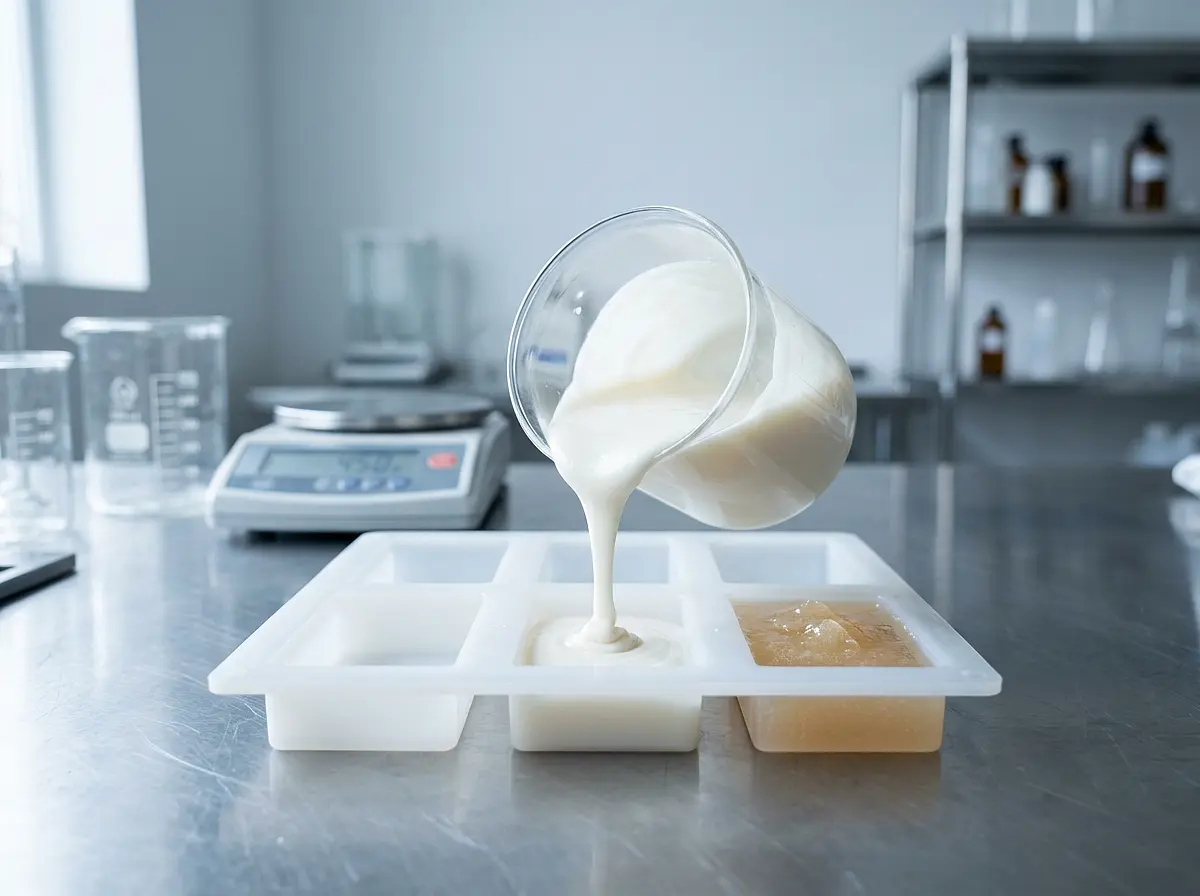
In soap, titanium dioxide functions primarily as a white pigment and opacifier. As a white soap colorant, it brightens soap that would otherwise cure to an off-white or warm ivory tone, and it increases opacity in bases that might otherwise stay slightly see-through. That is why it is the standard choice when a maker wants a crisp white bar rather than a creamy natural one.
It is also useful as a visual base for other colors. A portion of batter that has been whitened first gives micas, oxides, and other pigments a cleaner background, so pastels look softer and layered designs show more contrast. In translucent melt-and-pour bases, even a small amount can make the finished bar look milkier and more solid.
One quality point matters from the start: for skin-contact products, choose cosmetic-grade titanium dioxide, not industrial material intended for paints or plastics. Industrial-grade material is not recommended for formulations intended for skin use. On cosmetic ingredient listings, titanium dioxide is commonly identified as CI 77891. If you want a broader ingredient overview before choosing a product, see what titanium dioxide is.
Whitening and Opacity
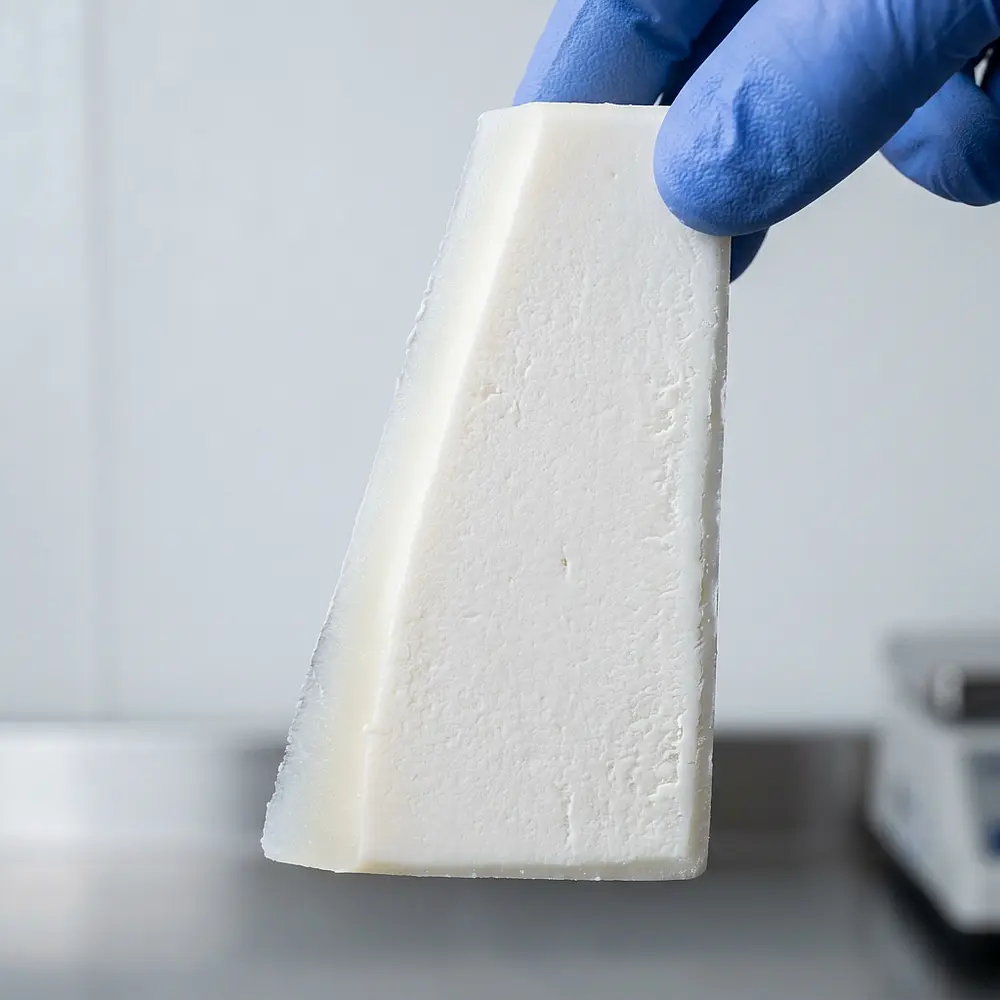
The whitening effect comes from the way the pigment scatters light through the bar. Instead of allowing light to pass through a translucent soap base, the particles reflect and diffuse it, which makes the soap appear more opaque. In practical terms, that means stronger brightness, less visual depth, and a more solid-looking bar.
This is especially noticeable in designs that rely on contrast. White layers read sharper next to darker colors, and swirls stay more defined when one portion has enough opacity to stand apart from the rest of the batter. If the amount is too low, the soap often looks creamy rather than truly white and may still show some transparency around the edges.
A White Base for Better Color Control
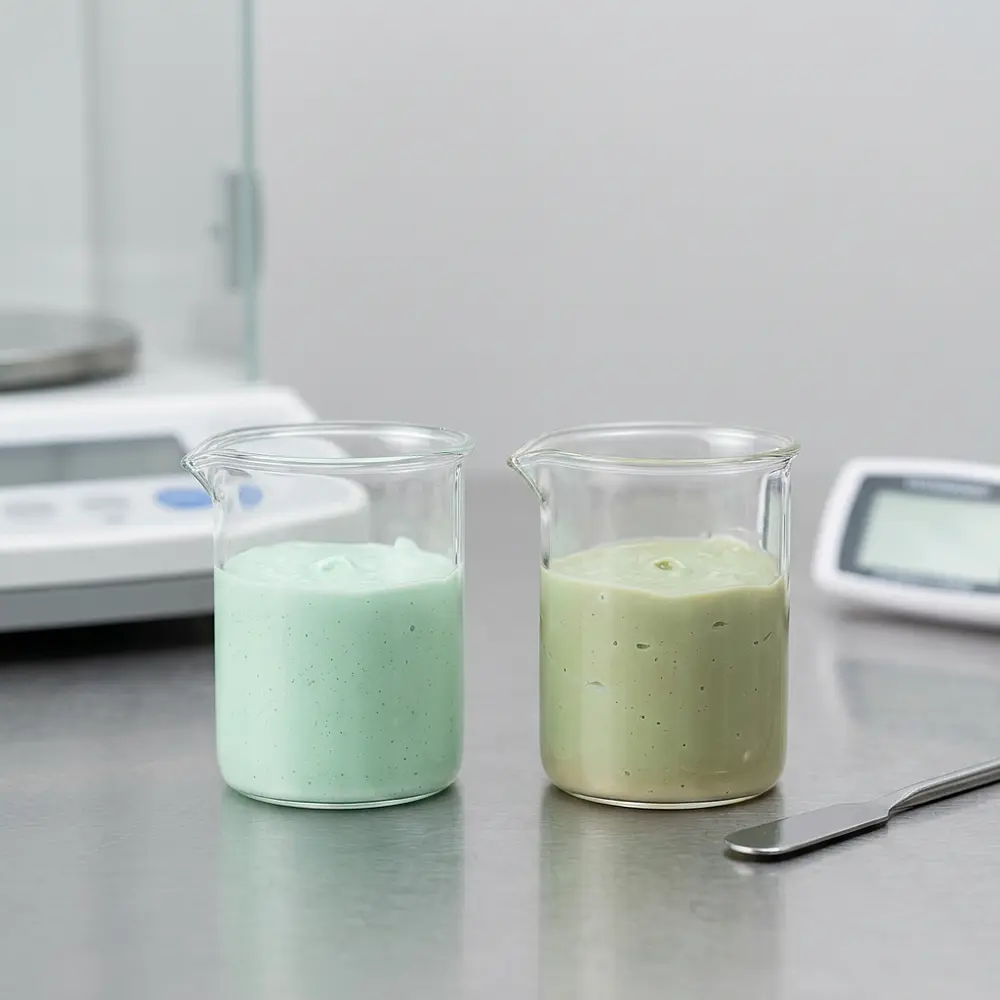
Natural soap formulas are rarely neutral in color. Olive-heavy recipes can lean green-beige, butters can add warmth, and many melt-and-pour bases have their own amber or clear cast. That underlying tone changes how added colorants appear.
Using titanium dioxide first gives you a more predictable canvas. Pinks stay softer, lavenders read cleaner, and pale shades do not disappear into a tan base. For makers who want controlled pastels or crisp multi-color designs, that matters just as much as the whitening itself.
Why Cosmetic Grade Matters
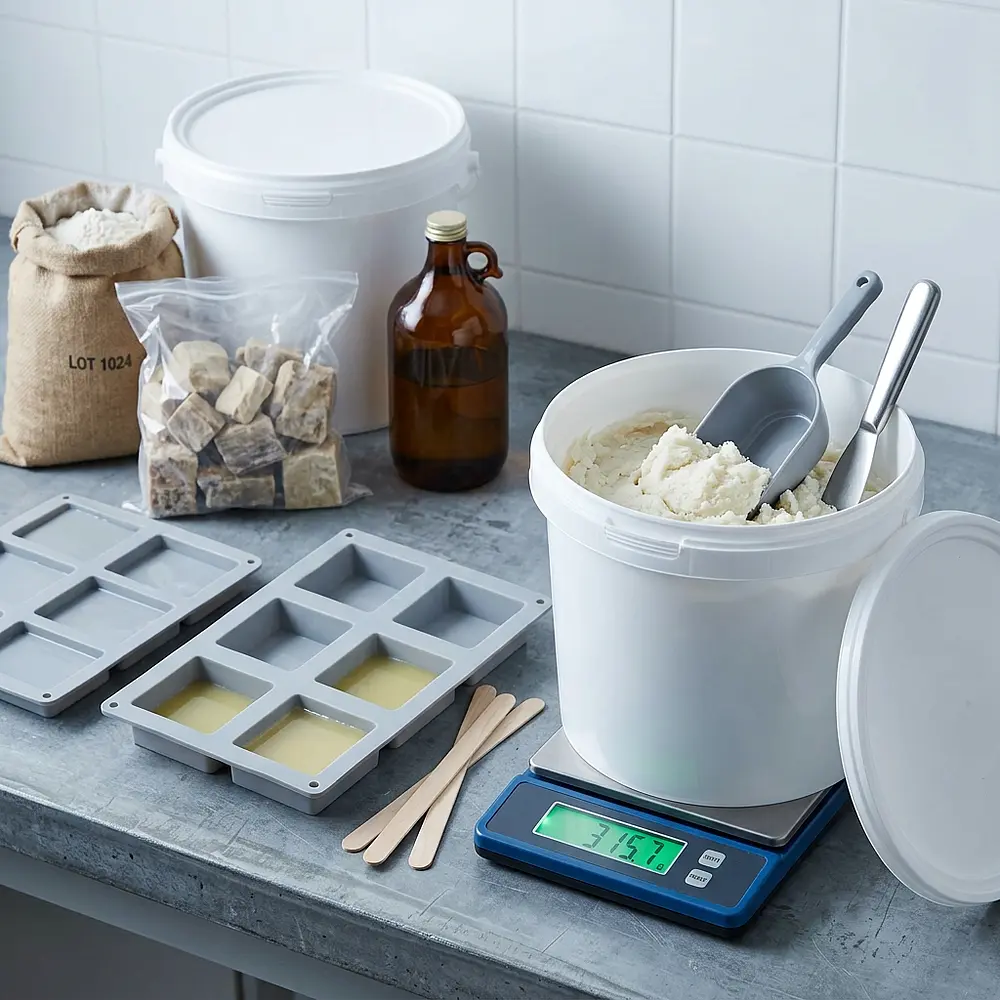
Soap is a personal care product, so the pigment should be sourced as a personal care ingredient. Cosmetic-grade material is the appropriate standard because it is sold for skin-contact use and labeled accordingly. Industrial pigment may look similar on paper, but it is not the right purchasing category for handcrafted soap.
When in doubt, check for a clear cosmetic-use statement from the supplier and confirm the ingredient identity on the product page. That extra step is simple, and it helps prevent quality and compliance problems later.
Types of Titanium Dioxide for Soap Making

For process fit, the short answer is simple: oil-dispersible titanium dioxide usually works best for cold process soap, while water-dispersible or glycerin-wettable titanium dioxide is often easier in melt-and-pour. These different dispersibility types suit different soap processes, so picking the right one can make the difference between a smooth, even white and a speckled bar. It also helps explain why one TiO2 soap colorant performs beautifully in one method but feels awkward in another.
It also helps to separate two different ideas that often get mixed together. One is how the pigment likes to be dispersed before use. The other is how it is sold, either as a loose powder or already pre-dispersed in a carrier. Once you keep those two categories separate, buying the right product becomes much easier.
On ingredient listings, titanium dioxide appears as CI 77891. If you see a CI 77891 soap colorant sold specifically for personal care, the next question is not just what it is, but how it fits your process.
Oil-Dispersible vs. Water-Dispersible TiO2
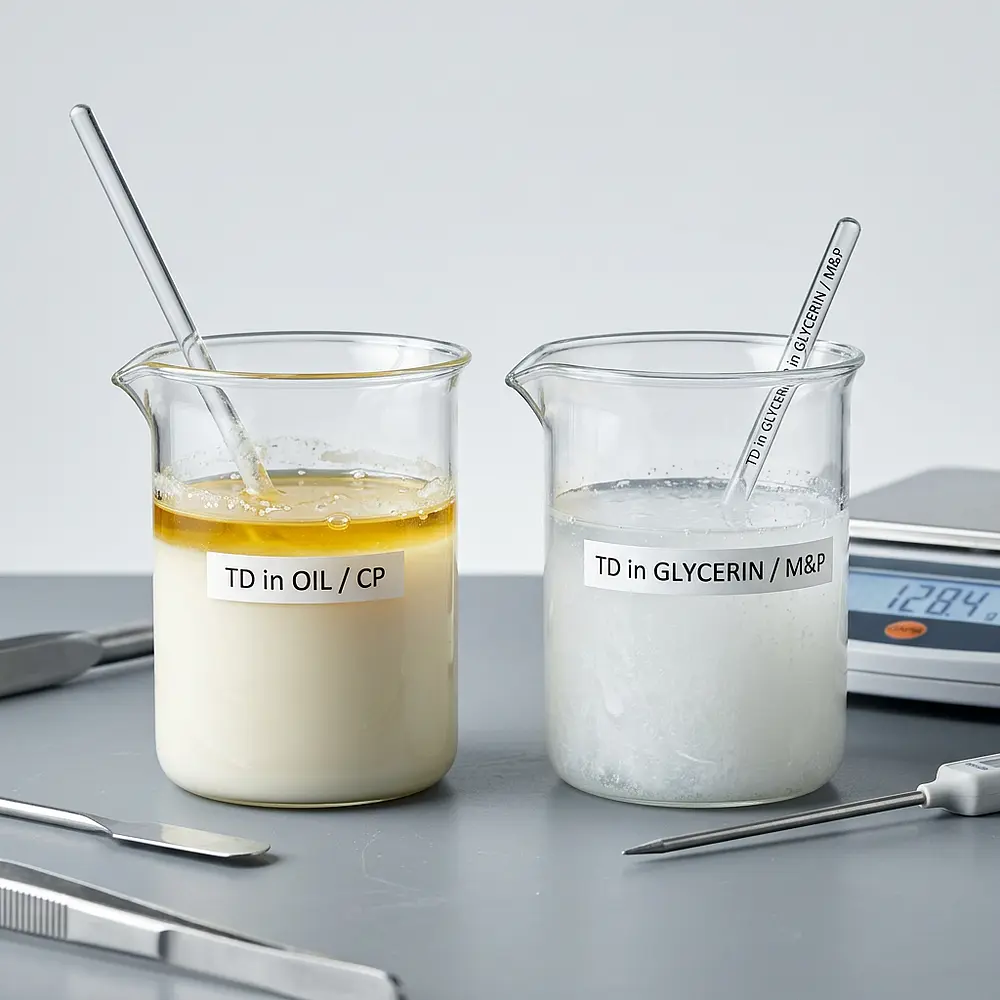
In cold process soap making, many makers prefer an oil-dispersible grade because it wets smoothly into a small amount of liquid oil before entering the batter. That makes it easier to get an even white without dry specks, especially in recipes where trace can move quickly. A practical slurry example is about 1 part titanium dioxide to 1–3 parts lightweight oil by weight, though supplier directions should always override generic ratios.
In melt-and-pour, a water-dispersible or glycerin-friendly version is often more convenient because it blends readily into glycerin or a small amount of melted base. That matters when you want fast, streak-free opacity in a fluid base that is ready to pour. If a supplier does not specify one category clearly, choose based on their suggested dispersion method rather than the product name alone.
Pre-Dispersed vs. Raw Powder
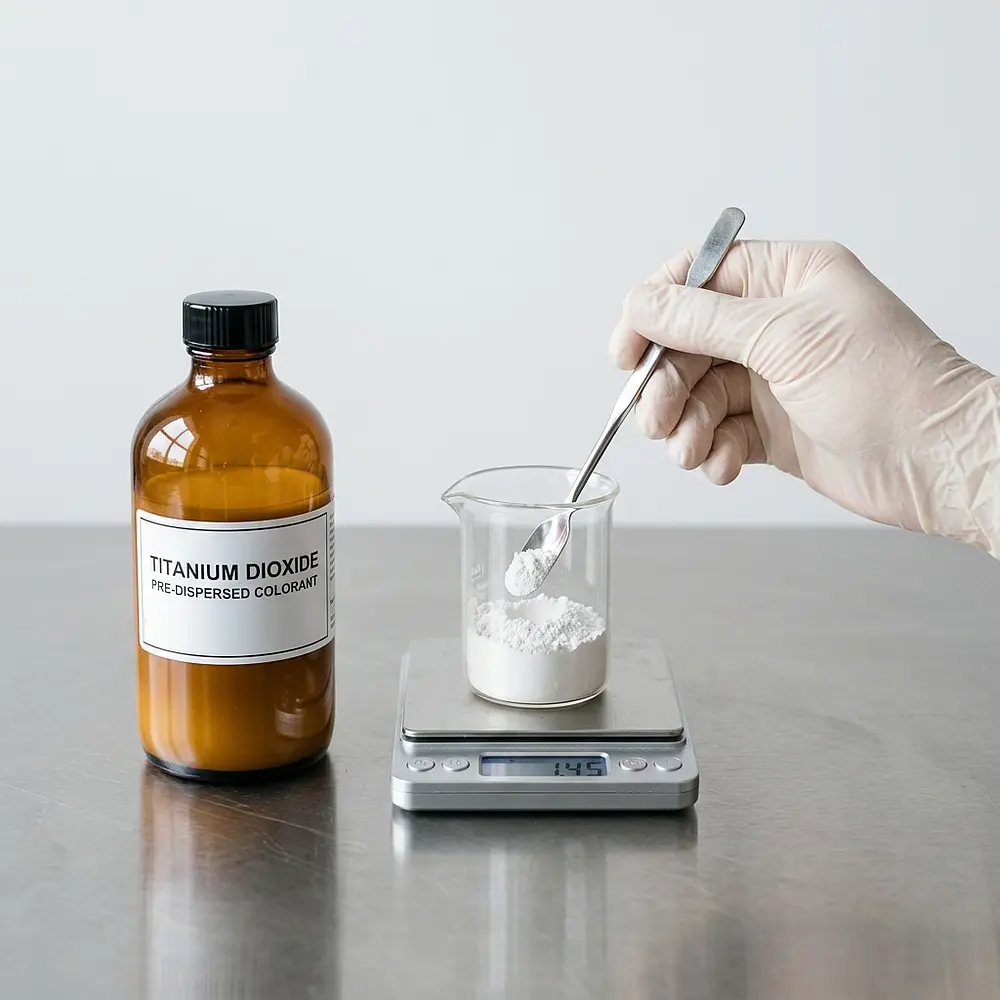
Raw powder is the standard choice for many soap makers because it is economical, versatile, and easy to portion for different batch sizes. It gives you full control over the amount of oil, glycerin, or melted base used to make the slurry, which is useful if you like adjusting your process to a specific recipe.
Pre-dispersed titanium dioxide trades some flexibility for speed and convenience. It is helpful for beginners, production work, or anyone who wants to avoid dealing with loose pigment dust. The downside is that you pay for the added carrier, and the concentration may be lower than a fresh slurry you mix yourself.
How to Read Labels: CI 77891
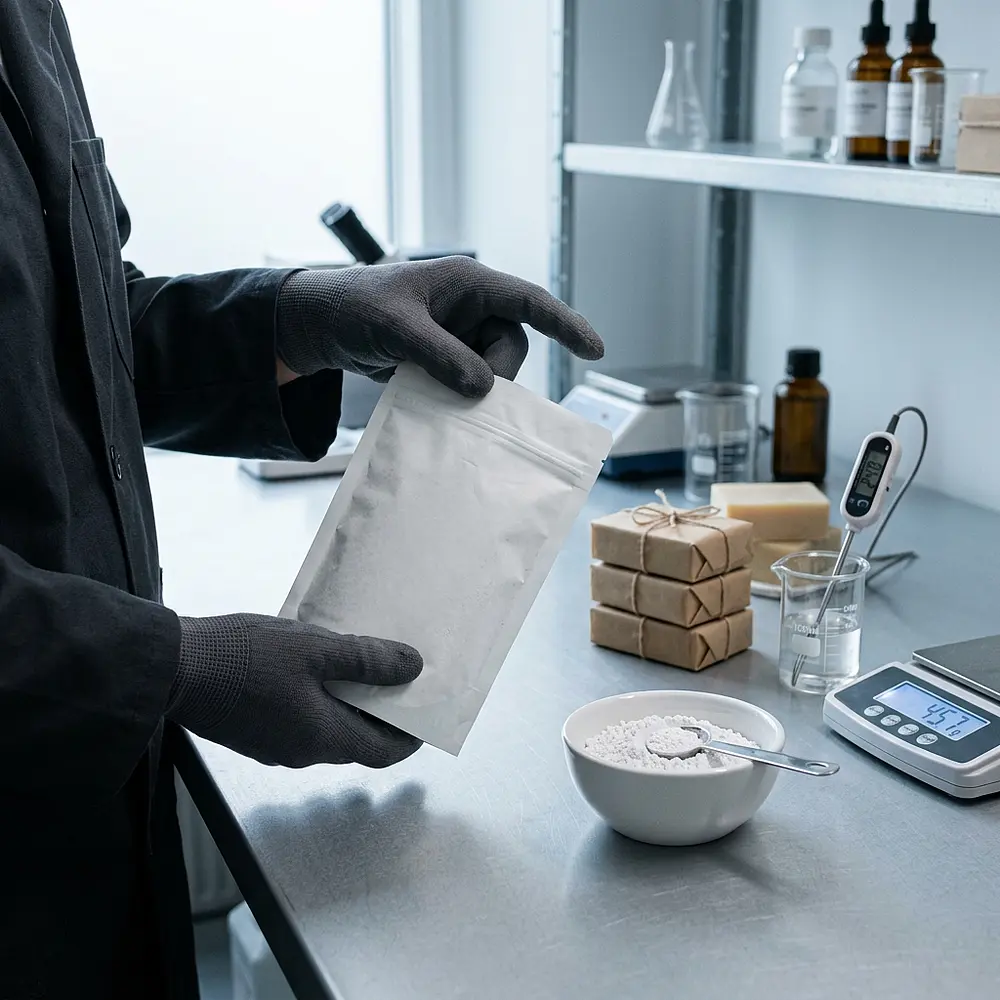
For soap makers, the label point that matters most is straightforward: titanium dioxide should be identified clearly as CI 77891 and sold for cosmetic use. For ingredient identification and technical handling, suppliers may also list CAS 13463-67-7 for titanium dioxide overall, while rutile and anatase forms may appear under CAS 1317-80-2 and CAS 1317-70-0. After that, focus on the product format and the supplier’s instructions for dispersion. Those details tell you far more about real usability than a long list of technical wording.
How Much Titanium Dioxide to Use in Soap
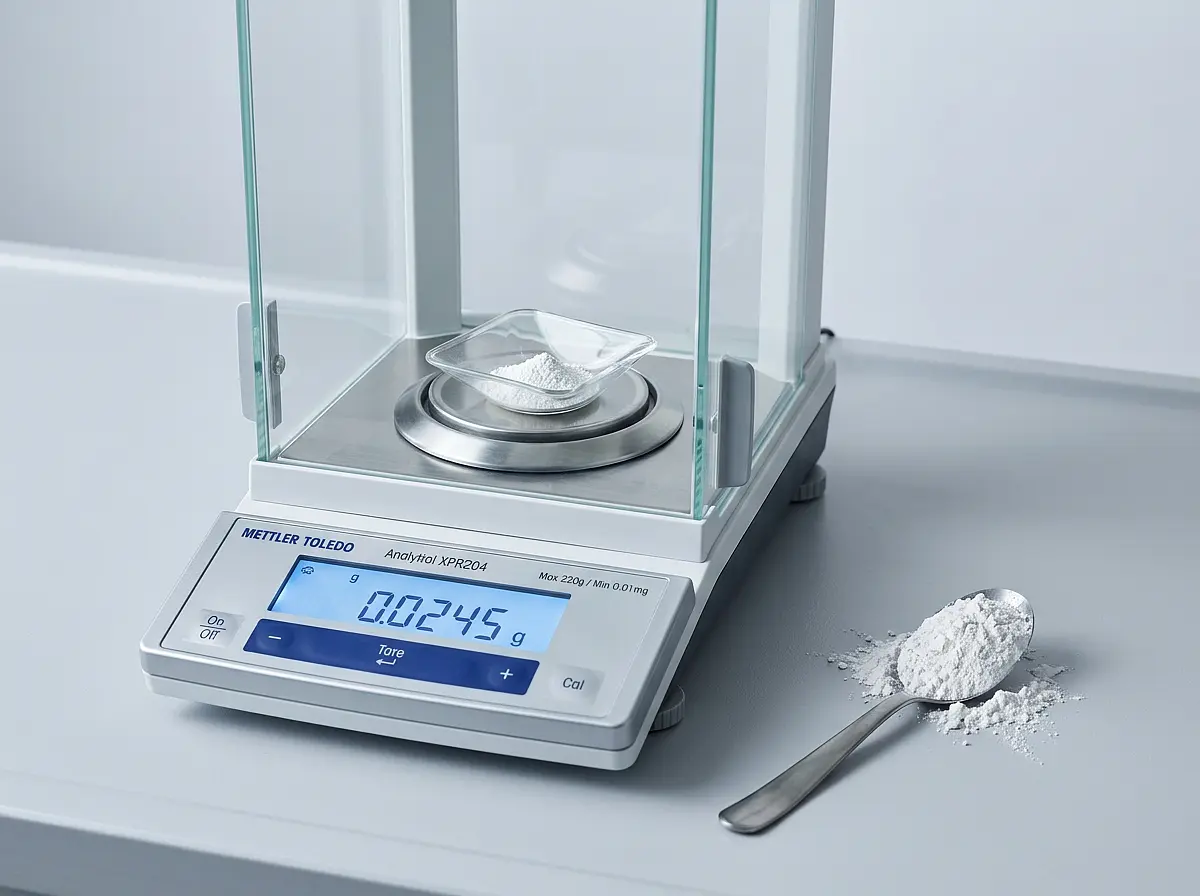
The most reliable way to dose titanium dioxide is by weight percentage. That is the precise standard. Teaspoons are only a rough maker shortcut, because powder density and supplier format vary enough that spoon measurements are not exact from one product to another.
For cold process soap, a practical starting point is often around 0.5% of total batch weight, moving upward toward 0.8–1% when a brighter, more opaque white is the goal. In everyday soap-making terms, typical cold process usage is about 1–2 teaspoons per pound of oils, though that still remains an approximation rather than a lab-accurate measure.
Melt-and-pour usually needs less, because you can see opacity develop as you work and stop once the base looks right. Hot process often falls near cold process, though naturally pale formulas may need less. Start low, especially with a light-colored recipe, and increase only if the soap still looks too translucent.
Recommended Usage Rates by Soap Type

A good starting range depends on the soap style and on how white you want the final bar to look. A creamy farmhouse-style bar may only need a modest amount, while a design that depends on a bright white layer will need more. Formula color also matters: a dark olive-heavy recipe takes more whitening than a pale lard or coconut formula.
For transparent or translucent melt-and-pour, build opacity gradually. Add a little, stir, check the look, and stop before the base turns heavy or chalky. That stepwise approach gives cleaner control than adding a full amount at once.
Practical Dosage Table
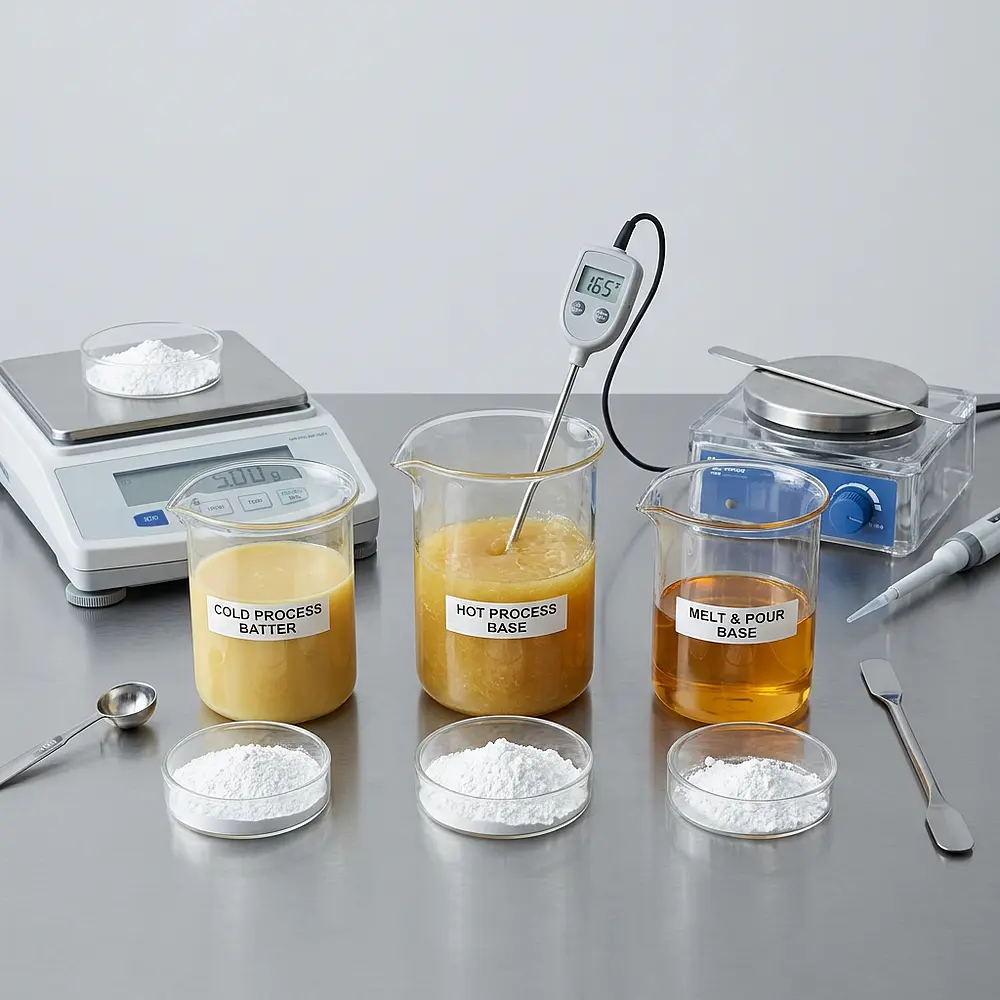
Use weight percentage as your main reference. Teaspoons are a rough shortcut only.
- Cold process: start at 0.5% of total batch weight; for stronger opacity, move toward 0.8–1%. Note: useful for white bars, swirls, and pastel bases.
- Hot process: start at 0.4–0.6%; increase carefully if needed. Note: many HP formulas already cure fairly opaque, so lower rates often work well.
- Melt-and-pour: start at 0.2–0.4%; rarely needs more than about 0.6%. Note: add gradually, especially in clear or highly transparent bases.
Example: if you are working with a naturally light cold process recipe, begin at the low end instead of jumping straight to a full white dose. If you are whitening a clear melt-and-pour base, add in small increments and check the opacity after each addition.
What Happens If You Use Too Little or Too Much
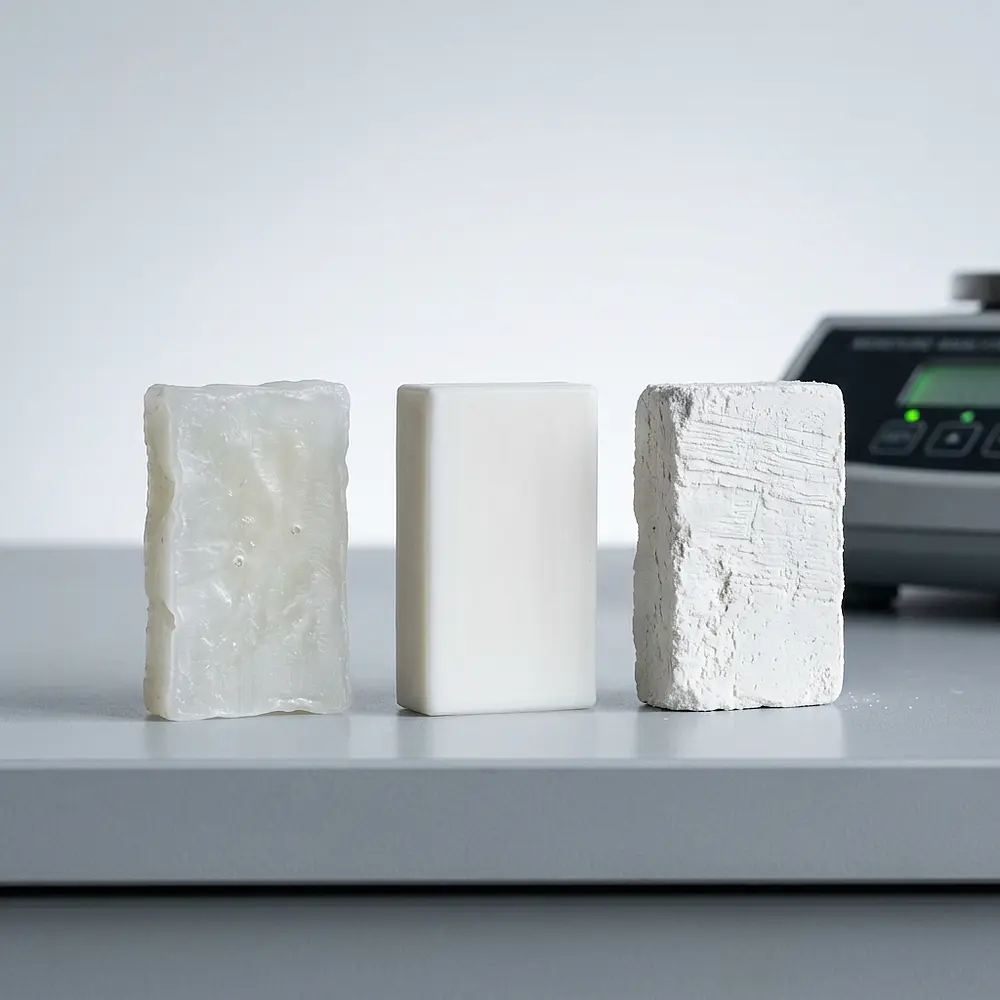
Underuse usually shows up as weak opacity. The bar may stay slightly translucent or develop uneven whitening rather than turning fully opaque, especially around thin edges or in portions that were not mixed thoroughly. In layered designs, the contrast can look softer than intended.
Overuse creates a different set of problems: the finish can become chalky, and the soap may feel draggy or less pleasant on the skin during use. If that happens, the fix is simple for the next batch: reduce the dosage and keep the dispersion smoother, rather than trying to compensate with more pigment.
How to Incorporate Titanium Dioxide into Soap
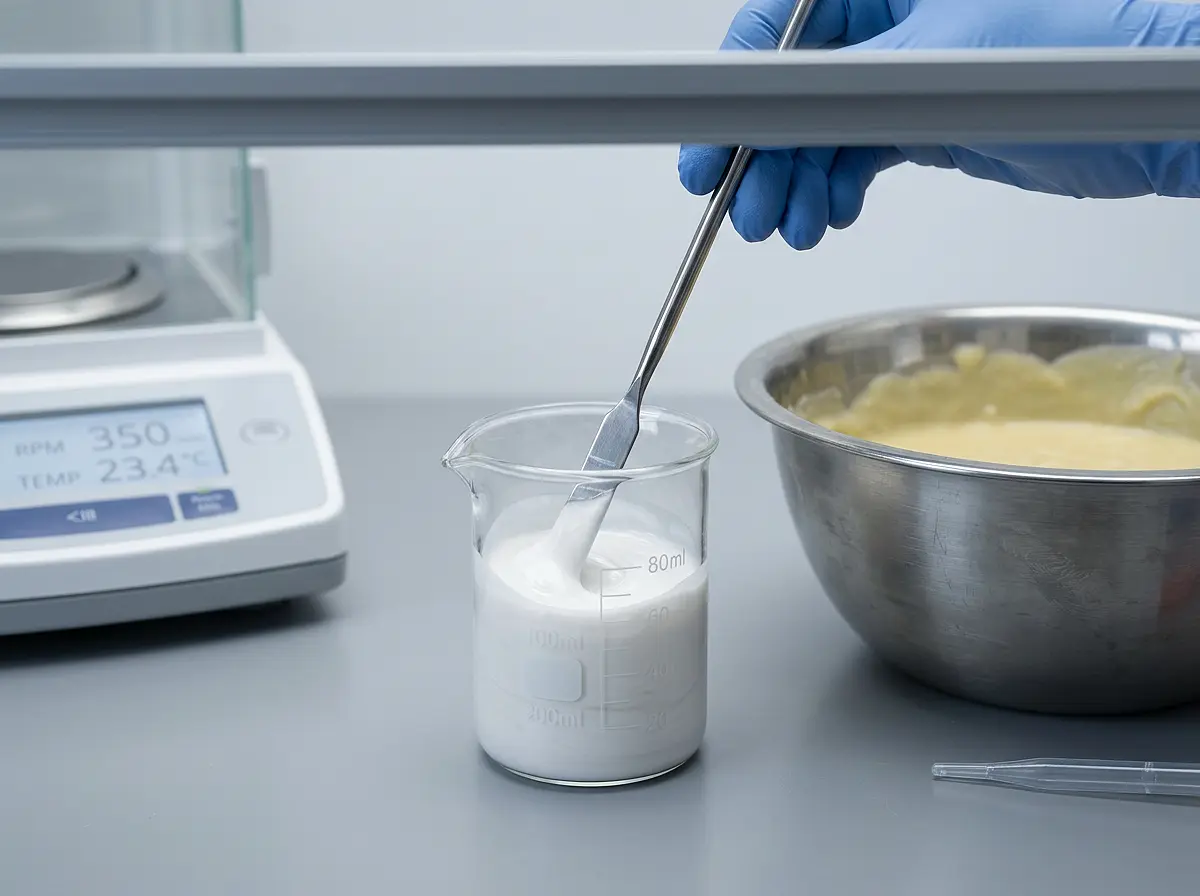
The key to clean results is pre-dispersion. Titanium dioxide soap making requires proper dispersion to avoid clumping, because dry pigment added straight to soap is far more likely to leave specks, lumps, or white streaks. Mixing it first into a small compatible liquid gives the particles a chance to wet out before they enter the full batch.
For cold process, many makers disperse it in a little lightweight oil taken from outside the main formula calculation or reserved in advance. For melt-and-pour, glycerin or a small amount of melted base works well. A mini mixer, frother, or careful hand stirring can all work, as long as the slurry is completely smooth before you add it.
Cold Process Method: Step-by-Step
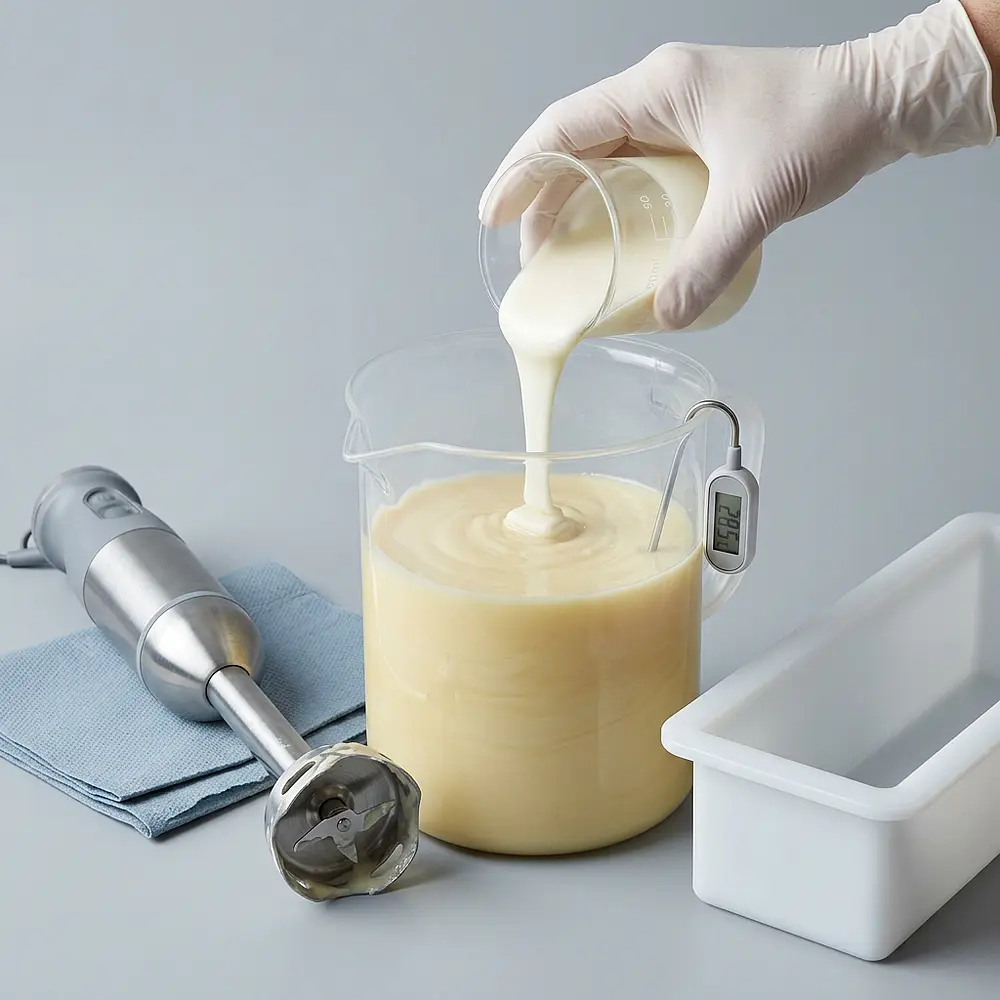
Measure the pigment first, then place it in a small cup. Add a little lightweight liquid oil and mix until the slurry looks smooth, glossy, and free from dry pockets. If needed, scrape the sides and bottom of the cup and mix again before moving on.
Add the dispersion at light trace or to the specific portion you want to whiten after splitting the batter. Blend only as much as needed to distribute it evenly. If your formula is already fast-moving, keep stick blending short and efficient so the soap stays workable for pouring or swirling.
Melt-and-Pour Method: Step-by-Step
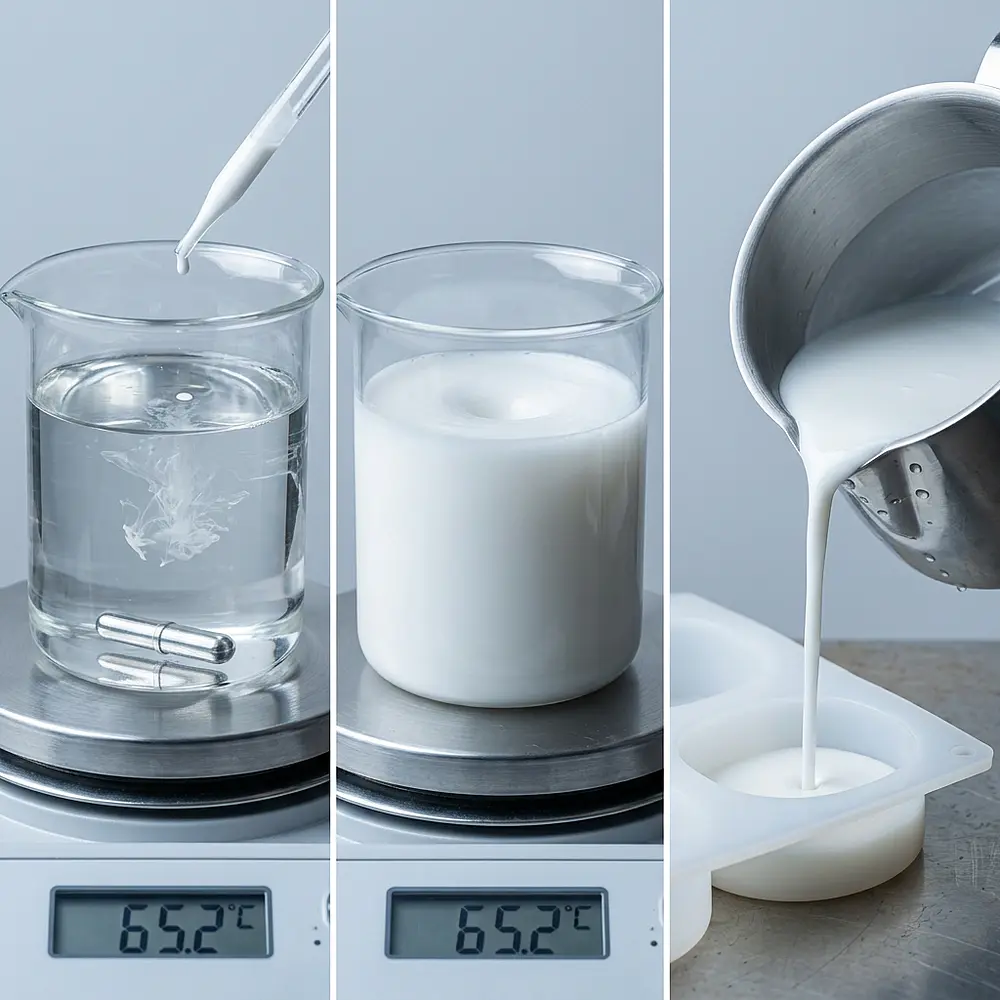
Melt the base gently and avoid excessive heat. In a separate cup, combine the pigment with glycerin or a spoonful of melted base and stir until fully smooth. Once the slurry is uniform, add it back to the larger melted portion and mix slowly until the color is even throughout.
Because melt-and-pour lets you see the final look immediately, it is easy to adjust in small steps. That makes it the easier of the two methods for beginners, provided you do not rush the mixing or overheat the base.
How to Prevent Clumps, Specks and Streaks
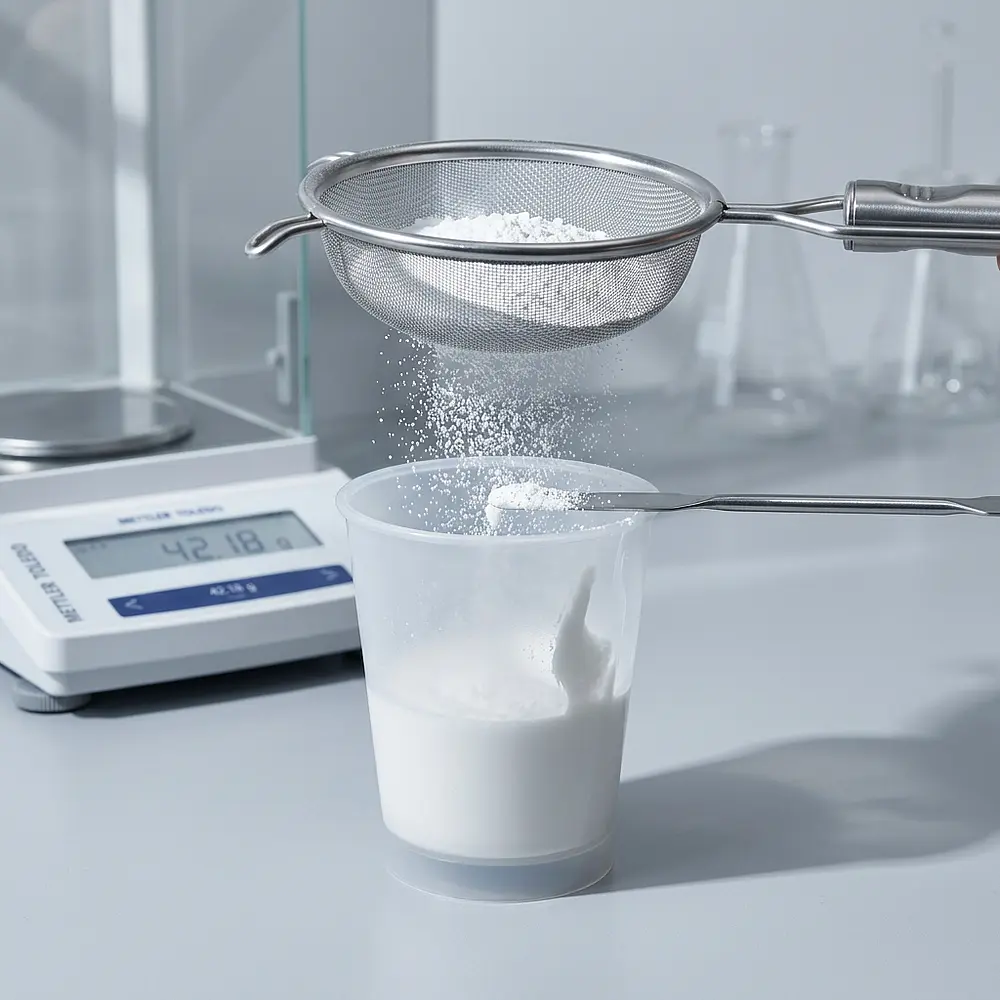
Most texture problems start with incomplete wetting. Sifting the powder before mixing can help if it has compacted in storage, and using the right amount of liquid in the slurry makes blending easier. Aim for a pourable mixture rather than a stiff paste.
If the slurry still looks grainy, fix it in the cup before it reaches the soap. Once visible lumps are in the main batch, they are much harder to correct without overmixing. For extra-smooth results in detailed design work, some makers strain the slurry through a fine mesh before use.
Is Titanium Dioxide Safe in Soap?
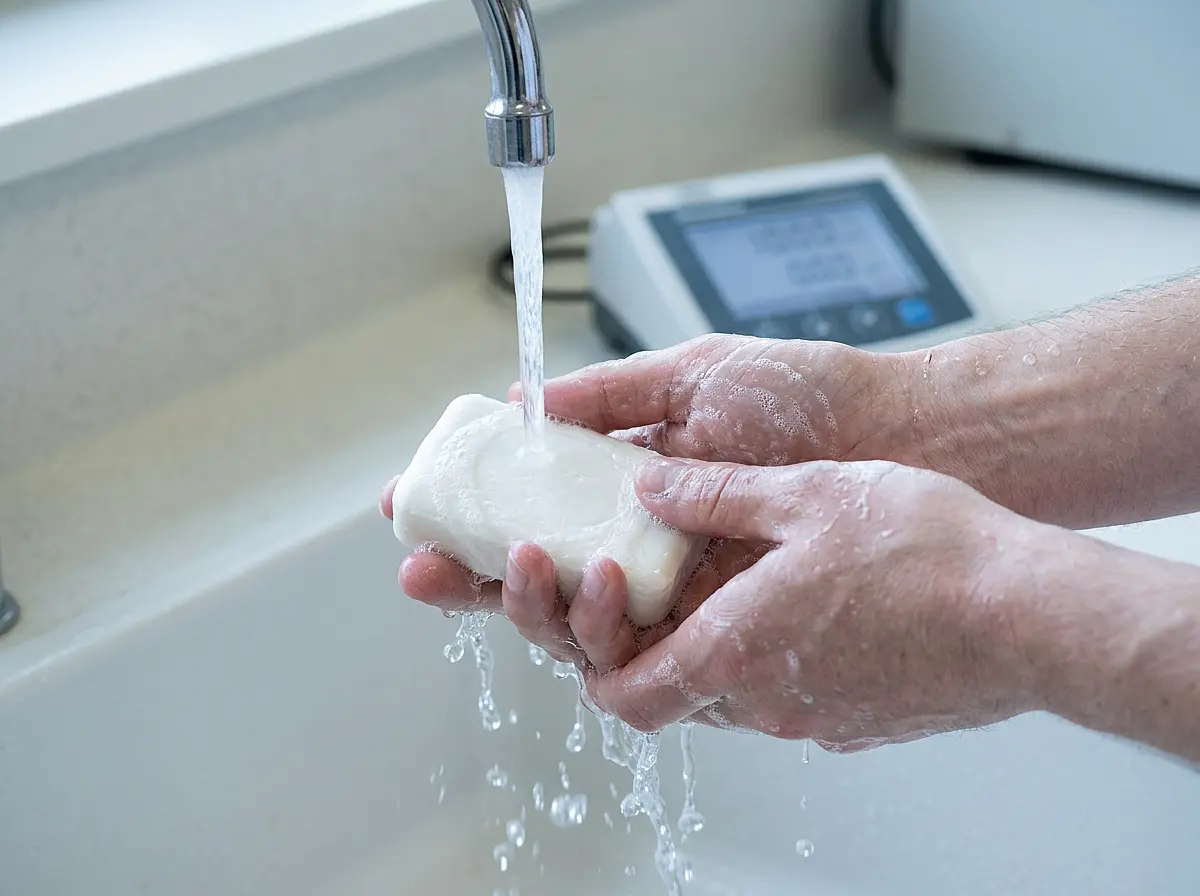
Titanium dioxide safety in soap is generally not considered a major concern when you are talking about a finished rinse-off bar made with cosmetic-grade pigment at normal use levels. The key exposure distinction is between rinse-off soap, where contact is brief and the product is washed away, and leave-on products, where skin exposure lasts longer and formulation context matters more. In soap, the ingredient is bound into the bar, used briefly on skin, and rinsed away, so real-world exposure is low compared with many leave-on formats.
The main caution point is different: it applies to handling the raw powder, not washing with the cured soap. Fine particles can become airborne during measuring, so the sensible safety practice is to minimize dust and avoid breathing it in. That distinction is important, because public discussion around titanium dioxide often focuses on inhalation rather than ordinary use in a solid rinse-off product.
From a regulatory perspective, cosmetic-grade titanium dioxide is assessed for use within the EU cosmetics framework under Regulation (EC) No 1223/2009, including SCCS safety opinions that evaluate use conditions in cosmetics. If you want a broader overview of the evidence and regulatory context beyond soap making, see our full safety guide.
Nano vs. Non-Nano for Soap Makers
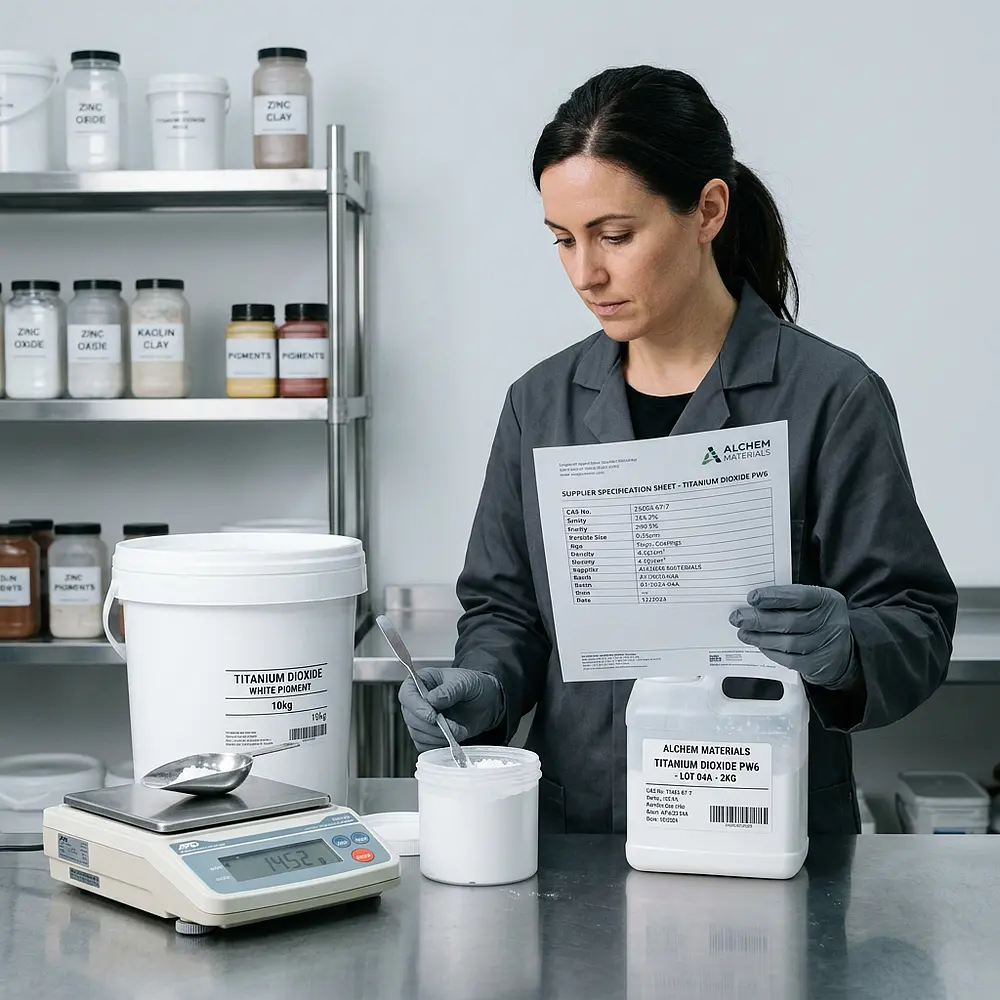
Most soap-making suppliers sell standard non-nano titanium dioxide, which is what many hobbyists and small-batch brands prefer for routine soap production. If particle size is part of your brand policy or customer communication, confirm the specification on the supplier listing rather than assuming from the product name.
Safe Handling in the Workshop
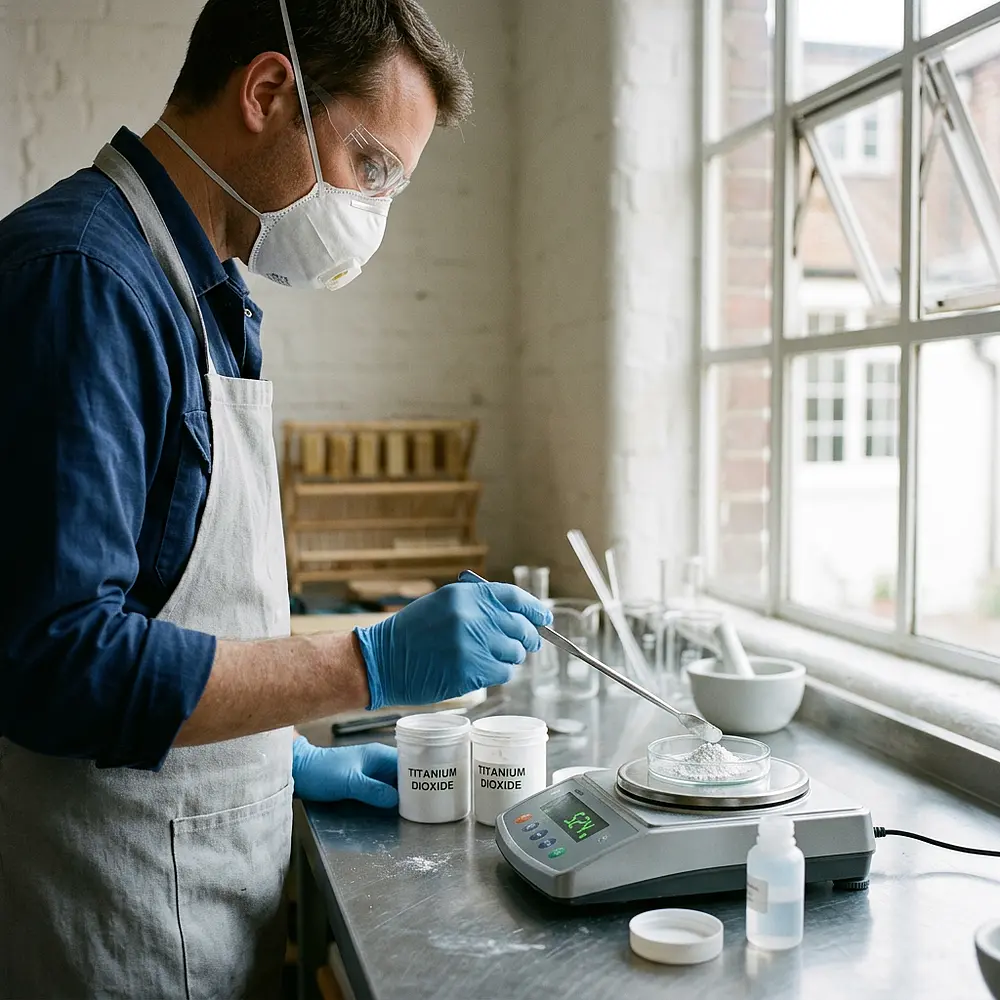
Measure carefully, keep containers close to the work surface, and avoid pouring powder from a height. Good ventilation is helpful, and if you handle larger amounts regularly, a basic dust mask or respirator during measuring is a reasonable extra precaution. In the SCCS context, titanium dioxide is assessed with reference to a possible classification as Carcinogen Cat. 2 (Inhalation) in Annex VI to Regulation (EC) No. 1272/2008; the SCCS conclusions specifically concern inhalation exposure from aerosol, spray, and powder products.
In workplace terms, inhalation exposure limits also exist; for example, the OSHA PEL for titanium dioxide is 15 mg/m³ as an 8-hour TWA. If an unusual exposure incident does occur, poison control and emergency resources are available, including Poison Control at 1-800-222-1222. Once the pigment is dispersed and the tools are wiped down, workshop risk drops significantly. In other words, treat titanium dioxide the way you would any other fine cosmetic powder: neatly, calmly, and without creating unnecessary airborne dust.
Rinse-Off Skin Contact vs. Powder Inhalation

Finished soap and loose pigment are two very different exposure situations. A cured bar gives short skin contact followed by rinsing, while an open container of powder can create airborne dust if handled carelessly. For normal washing use, the bar itself is the lower-concern scenario.
This is also why headlines about the ingredient can be confusing for makers. They often relate to breathing fine particles in industrial or sprayable contexts, not to using a handcrafted bar of soap at the sink or in the shower.
Regulatory Status in Soap and Cosmetics
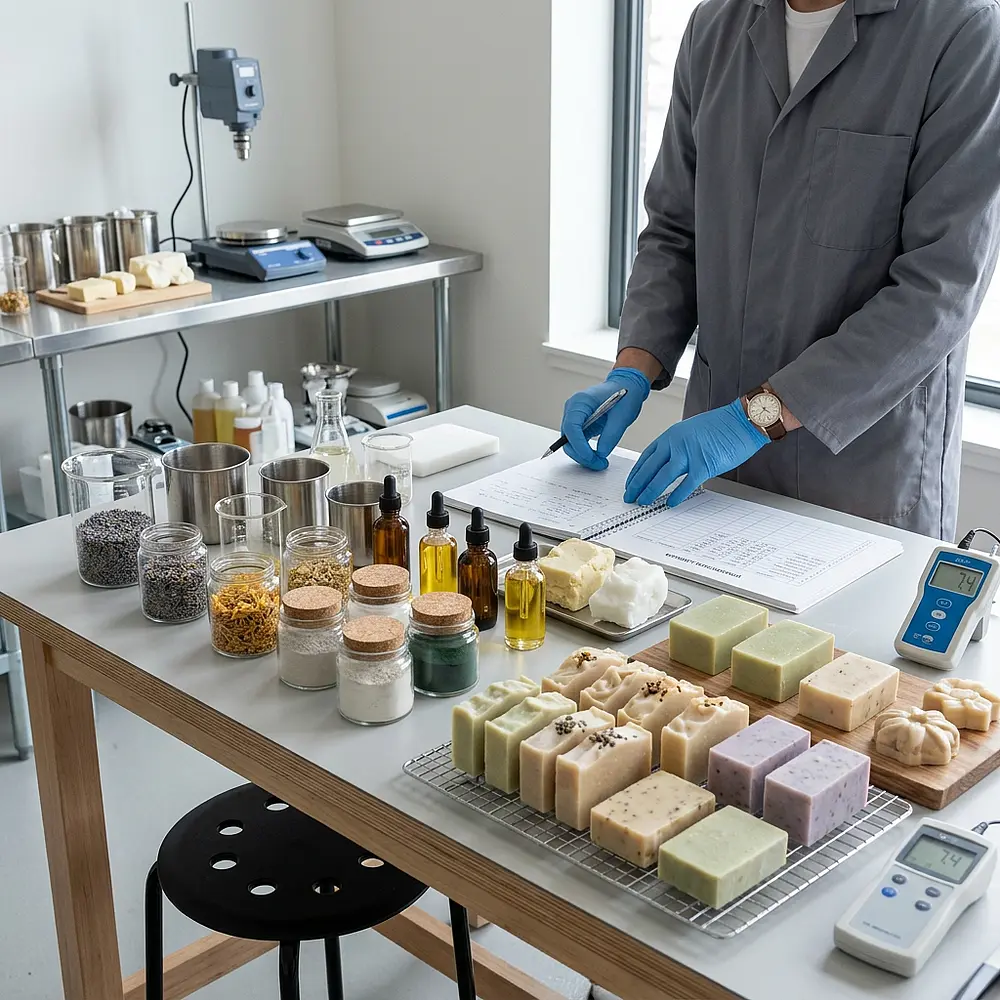
In the United States, titanium dioxide is recognized for cosmetic color use under FDA rules when used in appropriate product categories. In the EU, it also sits within an established cosmetics review framework, and SCCS opinions discuss concentration considerations for pigmentary titanium dioxide, including a 25% context-dependent maximum evaluated level in certain cosmetics assessments, alongside different limits for specific exposure scenarios. For soap makers, the practical point is simpler: the ingredient has a recognized place in personal care products when sourced properly and used in a suitable format.
If you sell finished soap, always match your ingredient choice to your market, labeling rules, and supplier documentation. Regulatory acceptance does not remove the need for good sourcing and accurate recordkeeping, but it does provide a clear basis for use in this category.
Titanium Dioxide in Cold Process Soap: Tips & Troubleshooting
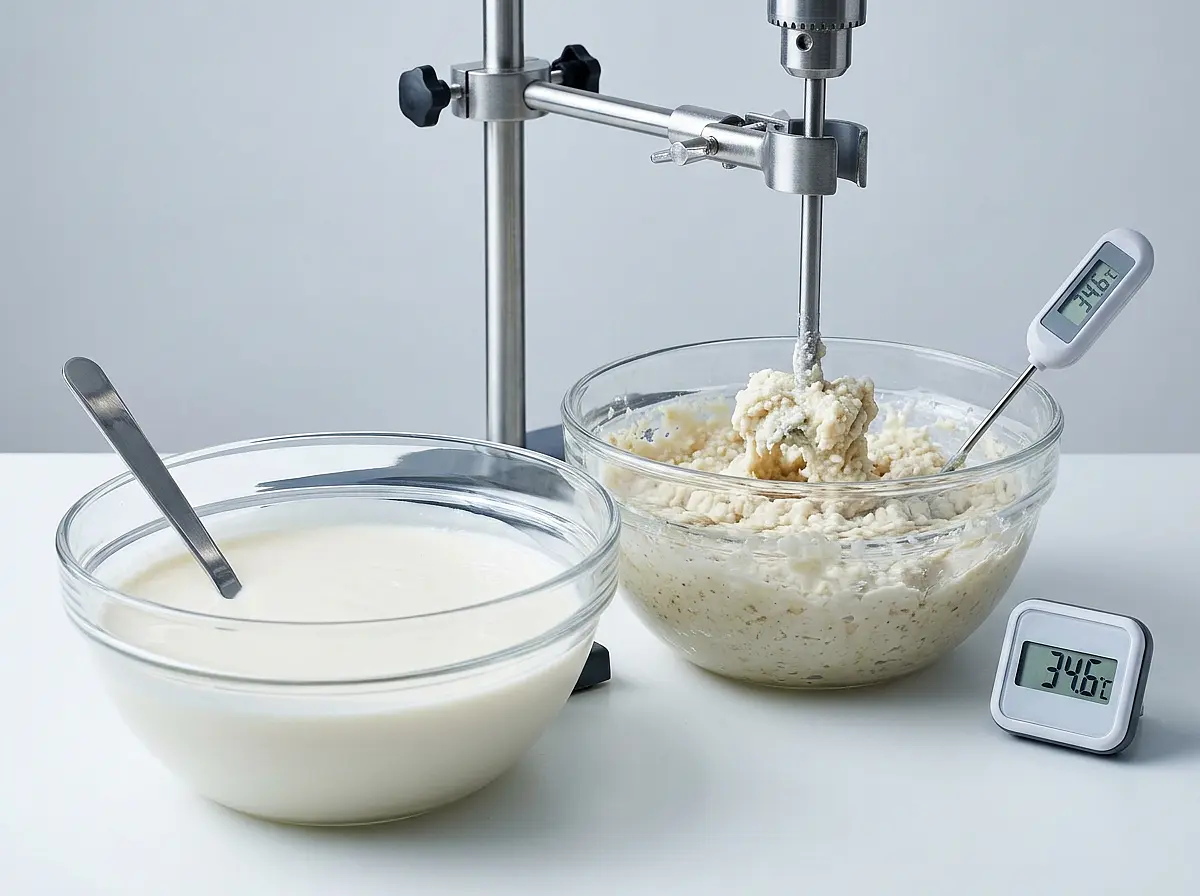
Cold process is where technique matters most, because you are adding the pigment into an actively saponifying batter that can thicken while you work. The good news is that titanium dioxide is chemically stable in the high-pH environment of cold process soap, so the usual issues are not chemical failures; they are mixing and timing problems.
The two complaints makers mention most often are faster trace and visible speckling. Both are usually manageable with better slurry preparation, lighter blending, and careful sequencing around fragrance oils. At normal use levels, the pigment does not harm lather or change how the bar performs.
Does TiO2 Accelerate Trace?
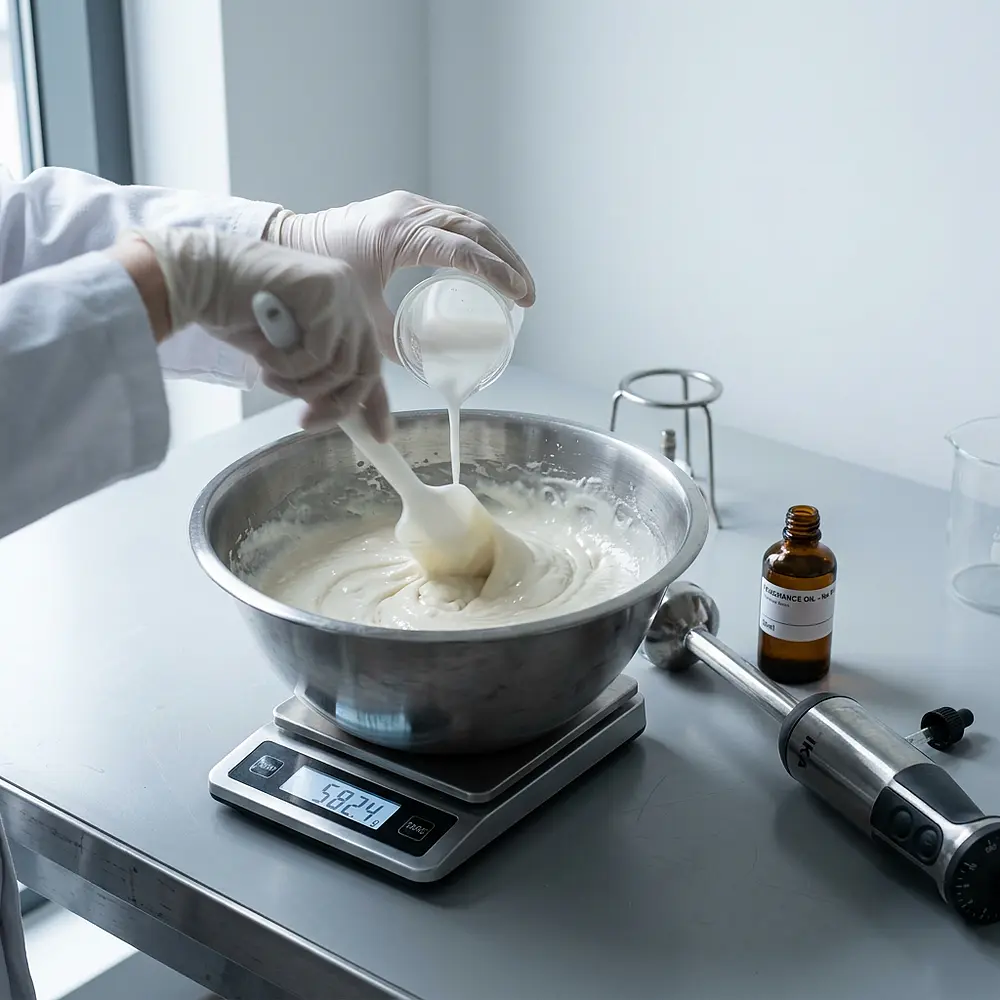
It can seem to, especially in a recipe that already moves quickly. A thick slurry, a fast fragrance, or too much stick blending during incorporation can push the batter further than planned. In that sense, the pigment often acts as a workflow stress point rather than a stand-alone accelerator.
To reduce the risk, soap at a manageable temperature, keep the dispersion fluid, and blend only until the color is even. If you know a fragrance is troublesome, test the order of addition on a small batch so you can see whether the batter behaves better with pigment first or fragrance first.
Why Ricing or Speckling Can Happen

White specks usually mean the pigment was not fully dispersed before it went into the batter. Ricing can show up when that rough dispersion meets a batter already thickening from fragrance or formula choice. Once clumps form inside the soap, they rarely smooth out cleanly.
The best prevention is simple: make the slurry completely smooth before addition, introduce it earlier rather than later, and do not rely on heavy blending to fix mistakes after the fact.
pH Stability, Lather and Skin Feel
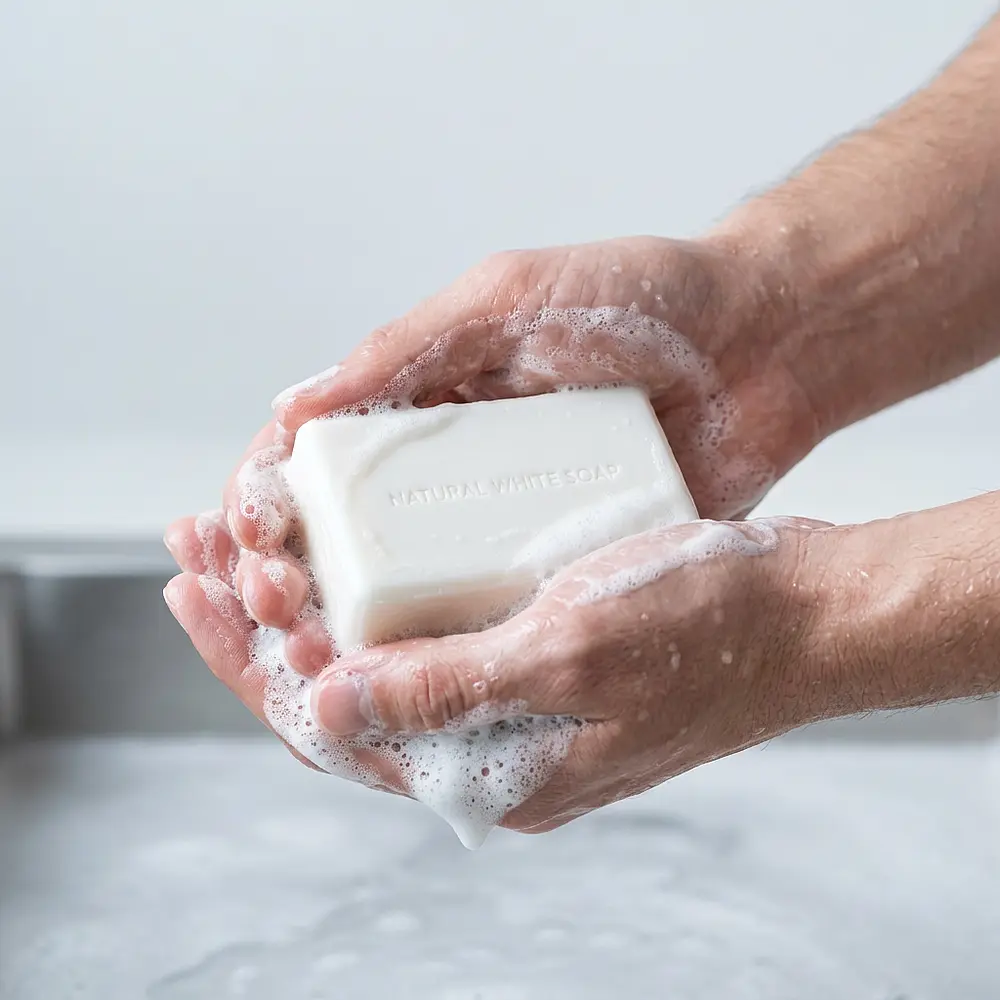
Titanium dioxide holds up well in cold process soap. It does not break down in the alkaline environment, and it does not fade away during cure just because the soap is high in pH.
At sensible rates, it also does not reduce bubbles or interfere with cleansing performance. If a bar feels overly dry, chalky, or draggy, the cause is usually overdosing or poor dispersion rather than any inherent problem with the pigment itself.
Titanium Dioxide in Melt-and-Pour Soap
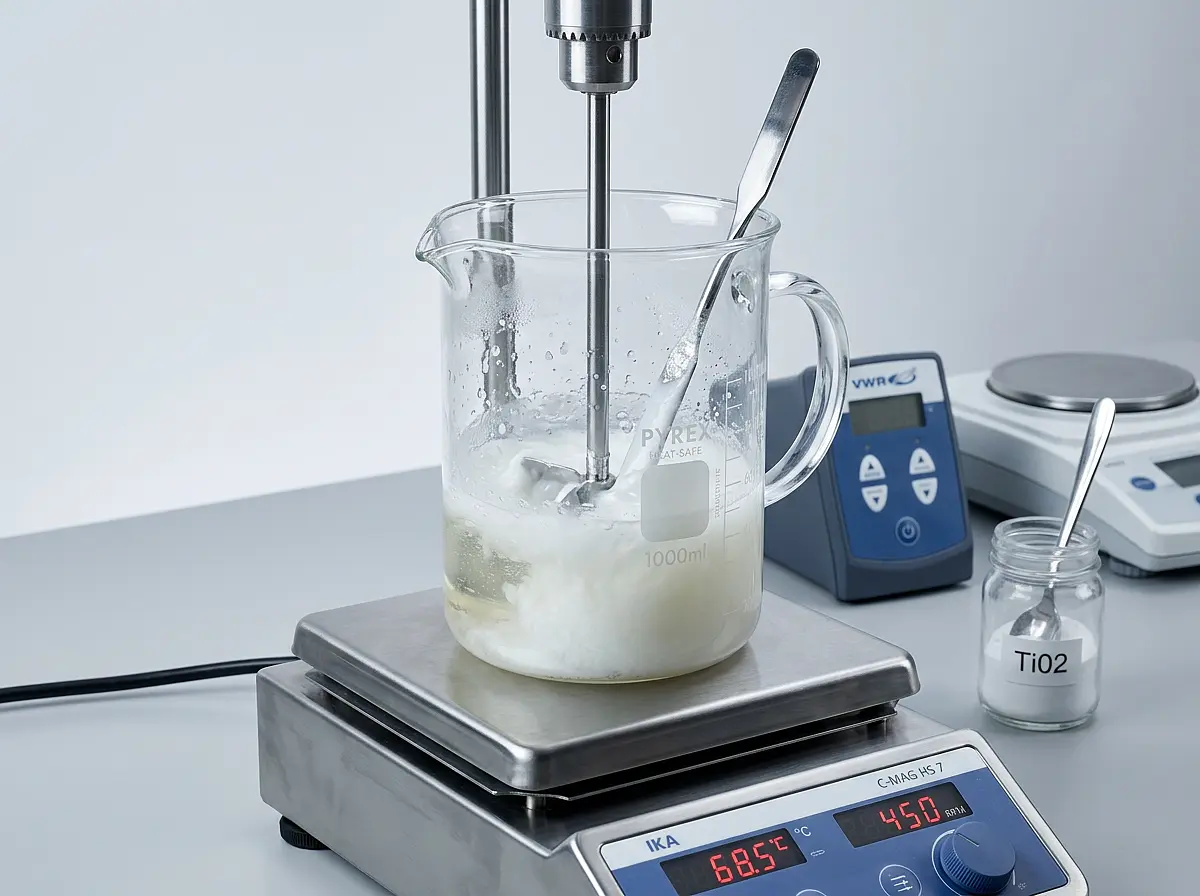
Melt-and-pour is usually the easiest way to work with this colorant because the base stays fluid and the result is visible immediately. You can whiten gradually, stir, and judge the opacity before pouring, which makes the process far more forgiving than cold process.
The same core rule still applies: a smooth glycerin slurry or a small premix with melted base gives a far cleaner finish than trying to force uneven pigment into the base at the last moment.
Glycerin Dispersion Method
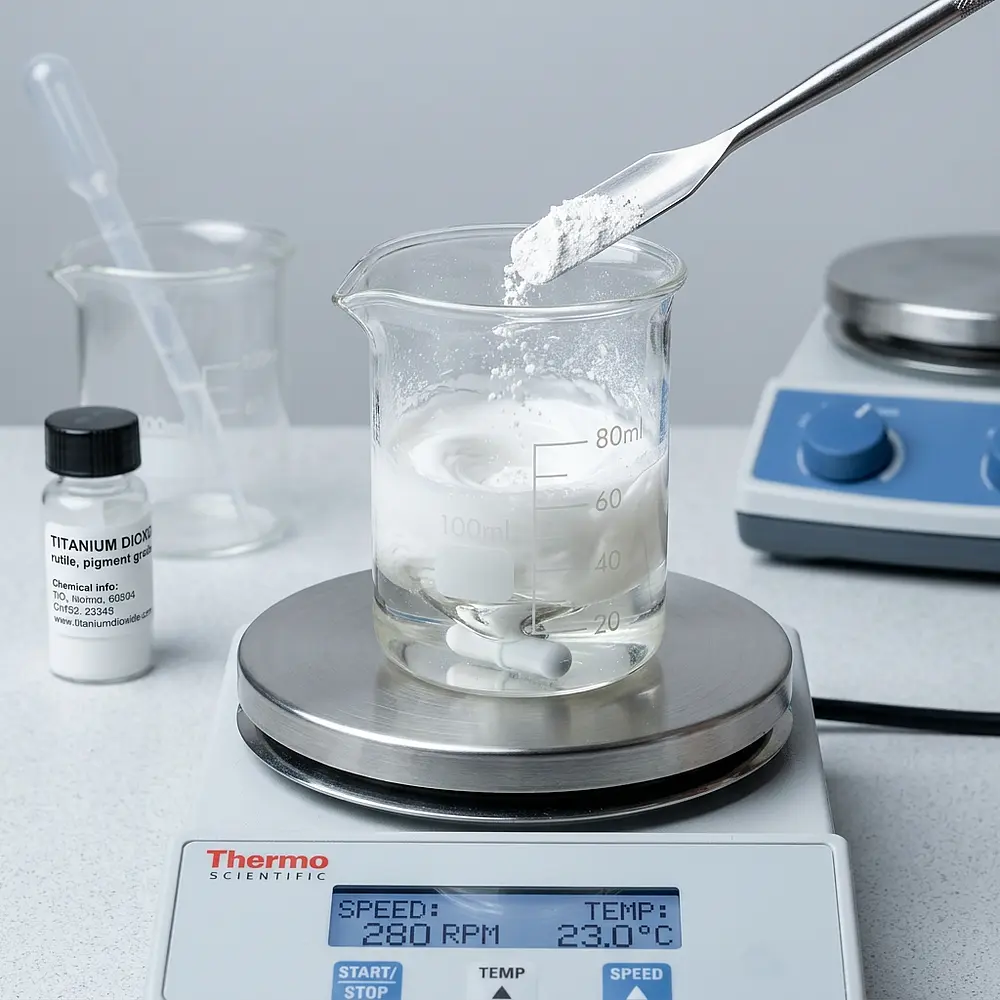
Place the measured pigment in a small cup and add enough glycerin to make a smooth, pourable slurry. Stir until no dry spots remain, then mix that slurry into the melted soap base. This helps the pigment spread evenly instead of forming white dots or cloudy streaks.
If you are dividing the base into several colors, prepare each white portion separately so the opacity level stays consistent across the design.
Overheating and Shelf Stability
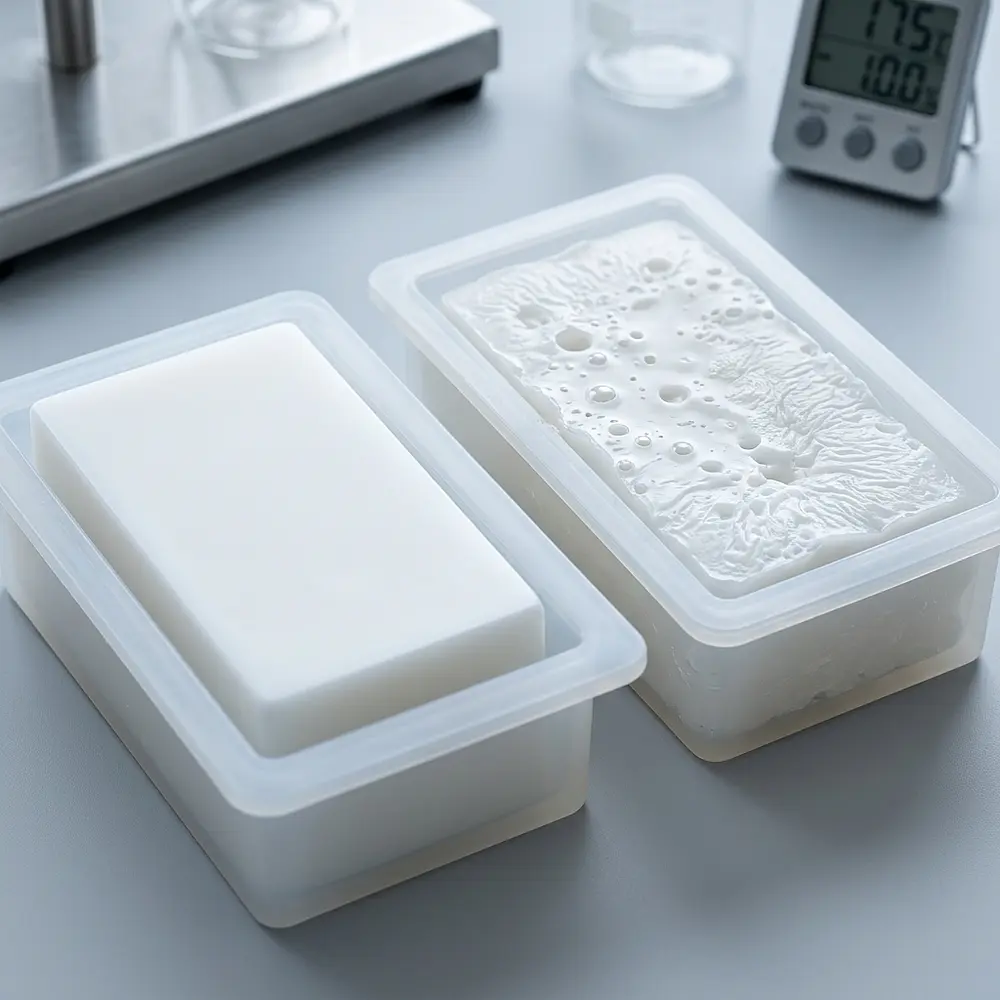
Too much heat can hurt the look of melt-and-pour even when the colorant itself is stable. Overheated base is more likely to bubble, skin over, or set with a less polished surface, so it is worth keeping temperatures controlled.
Once properly mixed and poured, the whiteness is stable in normal storage. The pigment does not usually migrate or fade in the bar, so long as the soap itself is stored under ordinary cool, dry conditions.
Combining Titanium Dioxide with Other Colorants
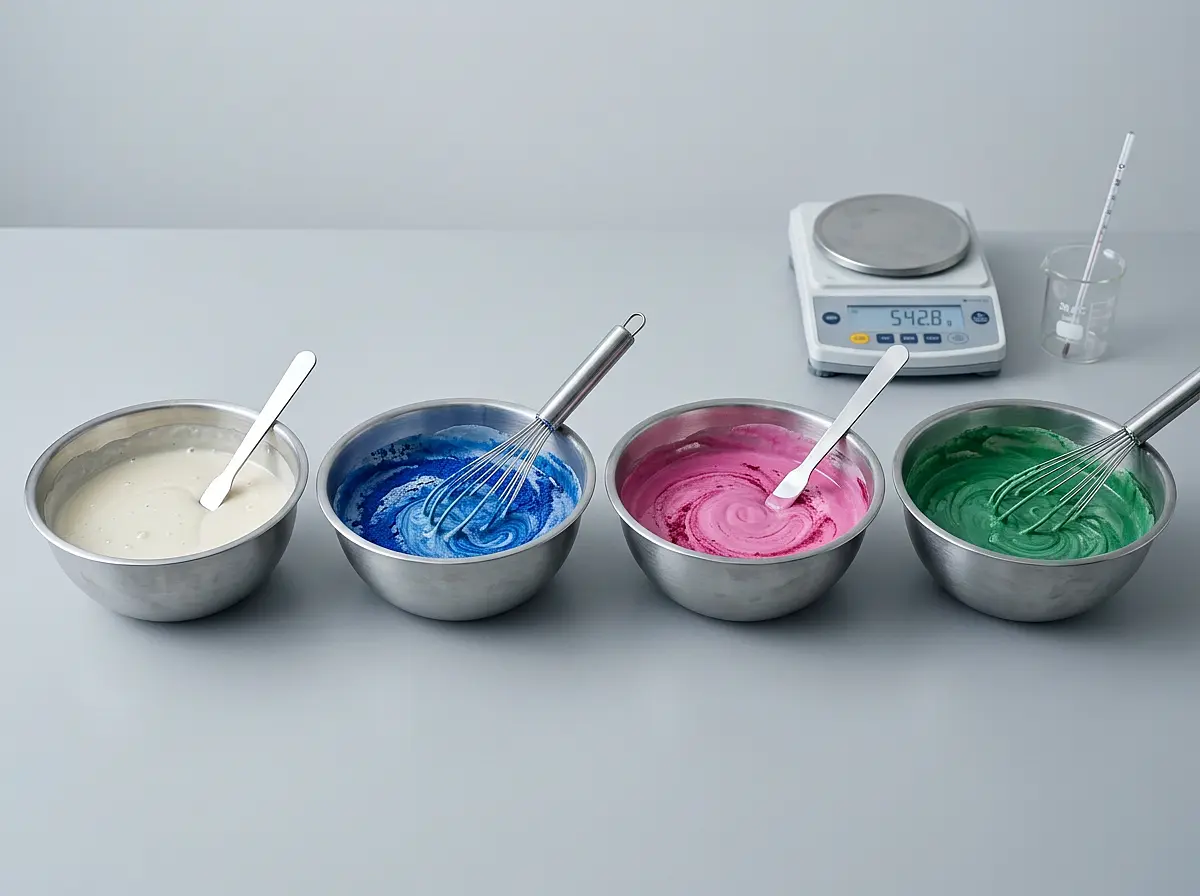
Titanium dioxide is not only for making white soap. It is also one of the most useful tools for controlling how other pigments look in the finished bar. By brightening the base first, you can make other shades appear cleaner, softer, or more pastel.
This matters in both simple and decorative formulas. A whitened portion can support soft pinks, pale blues, and creamy lavenders, while also giving stronger contrast in layers and swirls. The trade-off is straightforward: the more white you add, the more it lightens the final shade.
Creating Pastel Shades

For pastels, whiten the soap portion first and then add the secondary color little by little. That sequence gives much better control than adding both at once, because you can see the true background before you judge the final shade.
Small test portions are especially useful here. A quick sample in a cup can tell you whether a mica needs more intensity or whether the white base has already softened it enough.
Using TiO2 in Swirls and Layers
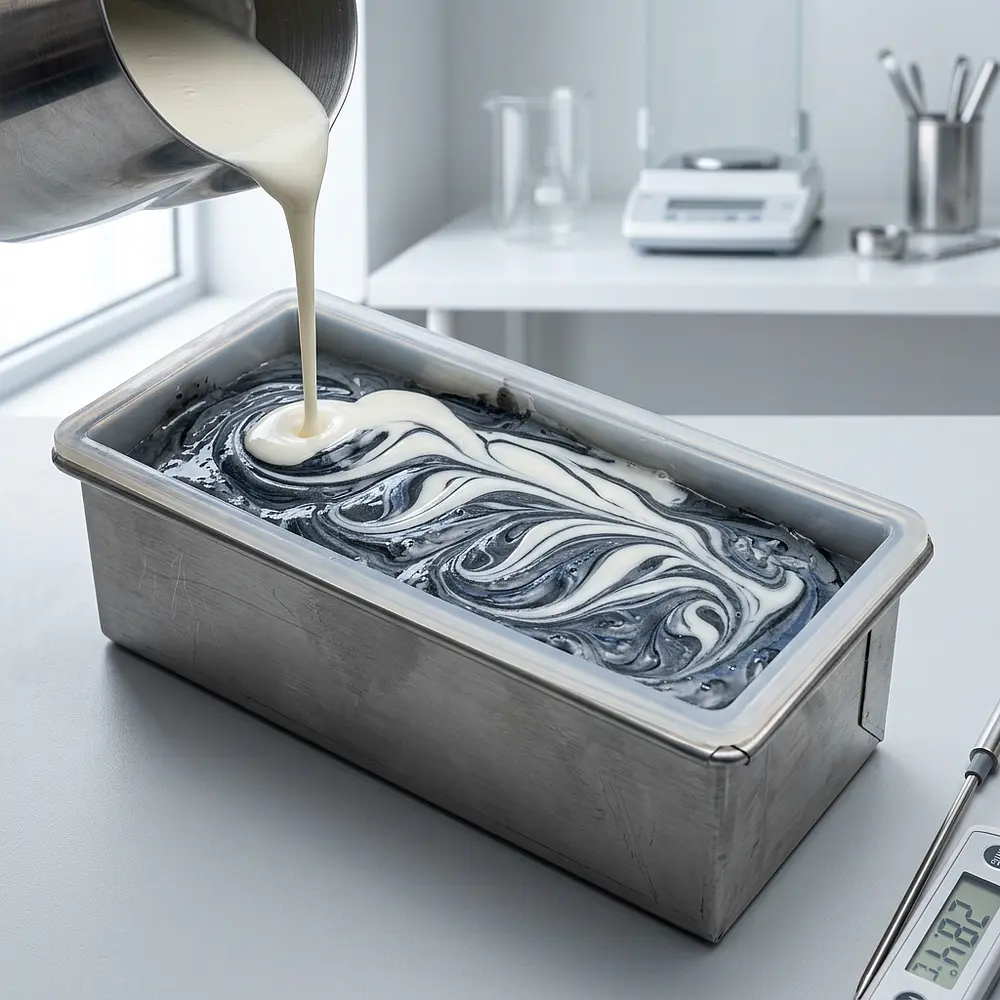
In design work, a white portion acts almost like a visual anchor. It separates darker colors, helps layers stand apart, and makes swirl patterns easier to read after cure. Without enough opacity, neighboring colors can look less distinct than they did at pour.
Consistency matters. If one white portion is heavily opacified and another is only lightly tinted, the design can look uneven across the loaf. Using the same prepared slurry across those portions helps keep the result balanced.
How TiO2 Changes Final Color Intensity
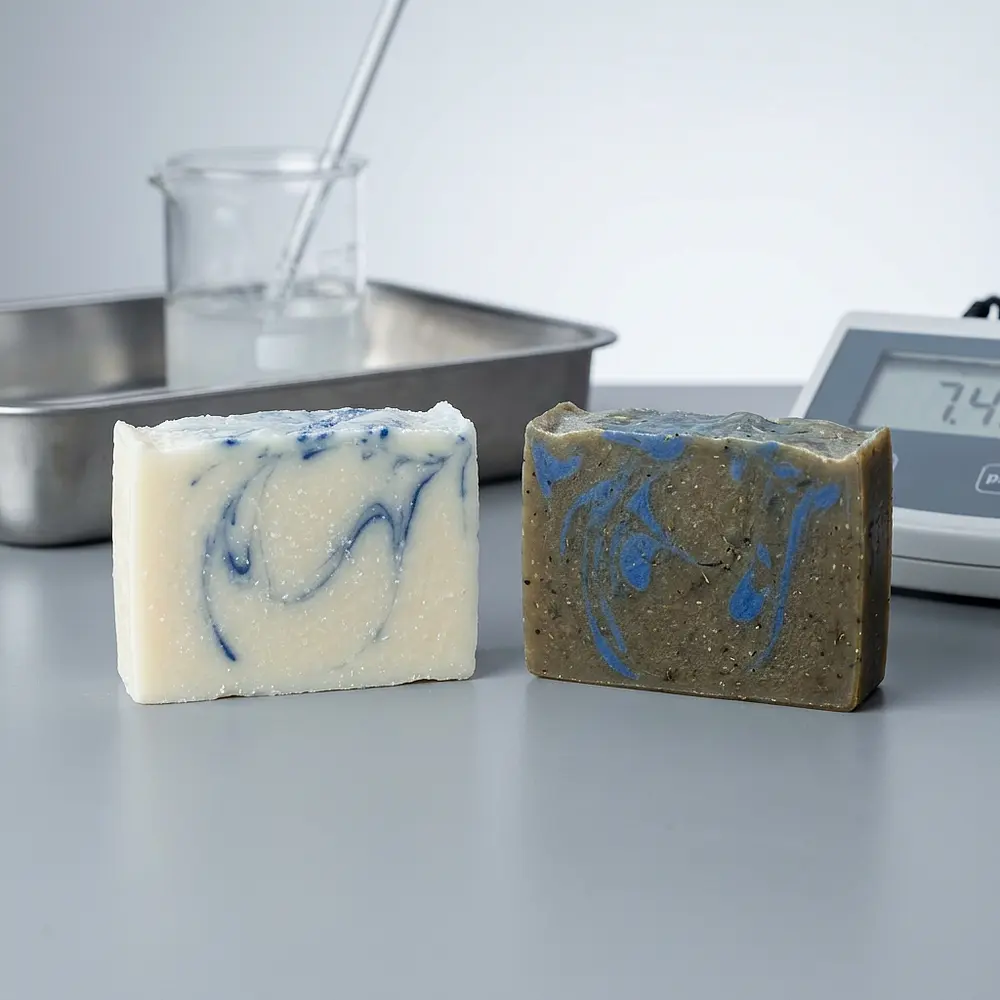
Every added color will look lighter on a whitened base than it would on its own. That is useful when you want milky, soft, or pastel tones, but it can mute stronger shades if you add too much white first.
The easiest way to manage this is to lock in the white level, then build the accent color gradually. When in doubt, start with less secondary pigment than you think you need.
Where to Buy Titanium Dioxide for Soap Making
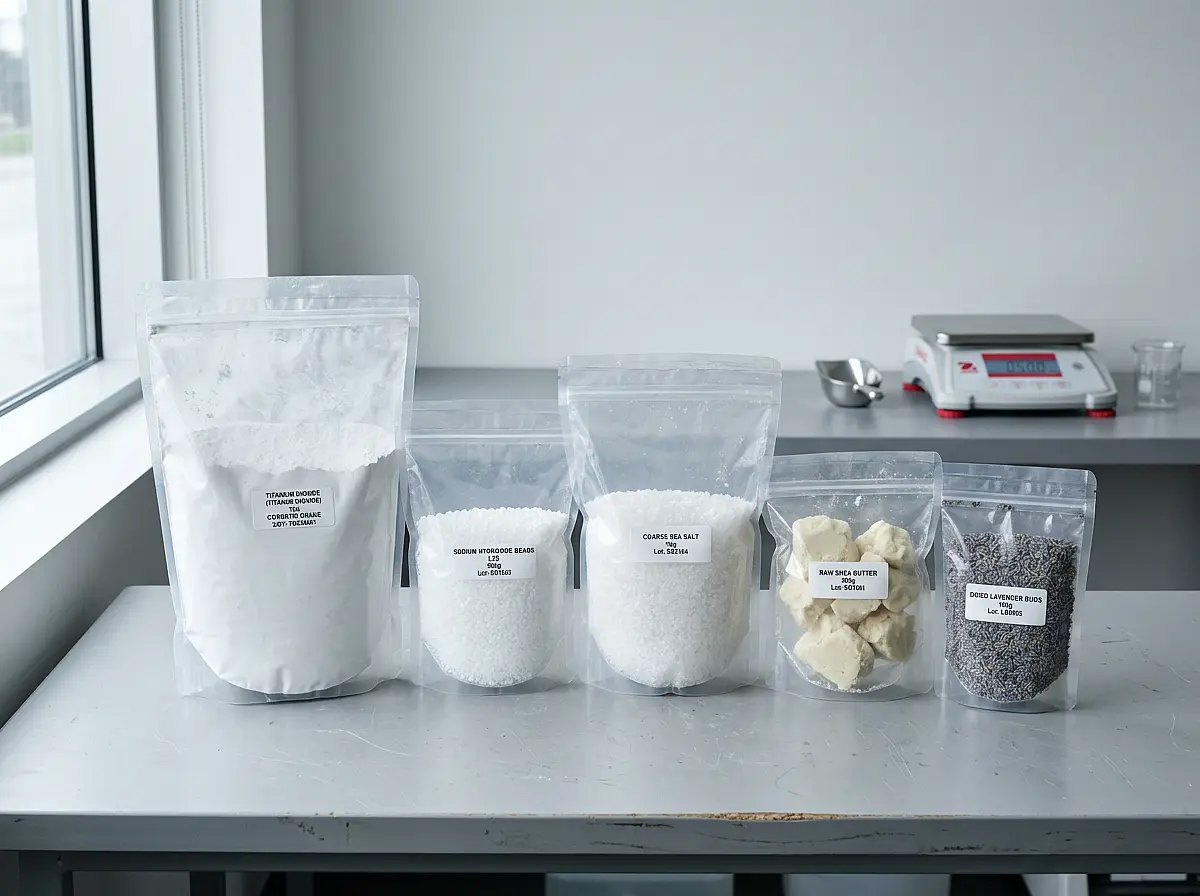
The best place to buy titanium dioxide for soap making is from a cosmetic ingredient supplier, a dedicated soap-making shop, or a reputable craft vendor that clearly sells colorants for personal care use. That gives you a far better chance of getting a consistent white soap colorant with usable instructions than buying generic pigment meant for industrial applications.
For most hobbyists, a small jar is enough to start. Common pack sizes are 1 oz, 4 oz, and 1 lb. As a rough guide, 1 oz often sells for around $3–$8, 4 oz commonly falls around $8–$18, and 1 lb is often in the range of $20–$45, depending on whether the product is plain powder, pre-dispersed, or sold through a specialty brand.
Choose the format that matches how you actually make soap. If you batch occasionally, a 1 oz or 4 oz container is usually enough. If you produce white bars, wedding favors, or pastel-heavy designs regularly, buying by the pound often gives a noticeably better cost per ounce. If you also formulate outside soap, our page on titanium dioxide in makeup shows how the same pigment performs differently in leave-on products.
What to Look for on the Label
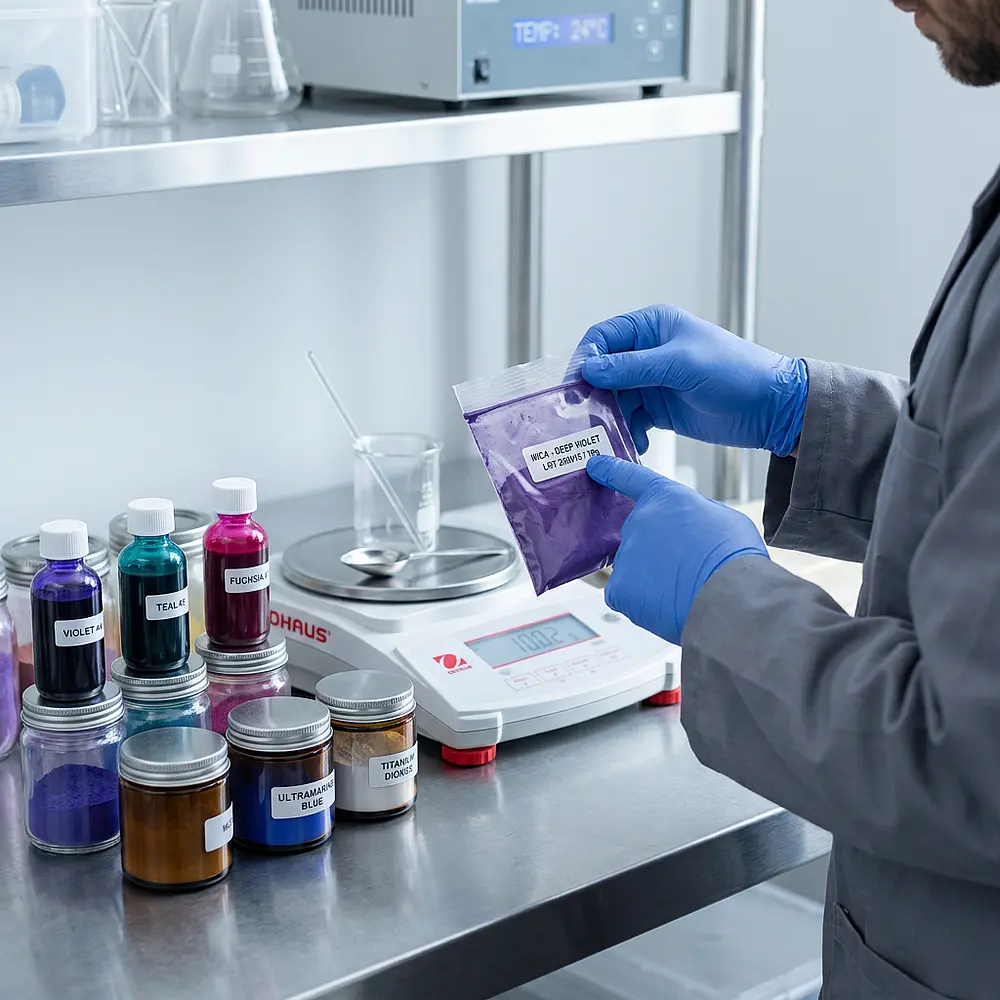
A good listing should say cosmetic grade, identify the pigment as CI 77891, and tell you whether it is sold as powder or pre-dispersed. It should also indicate how the supplier expects you to disperse it, since that is what helps you decide whether it is better suited to cold process or melt-and-pour.
If you specifically want a non-nano option, look for that claim on the product page or data sheet. For many soap makers, that is a sourcing preference rather than a performance issue, but it is still worth confirming if it matters to your brand.
Typical Package Sizes and Pricing
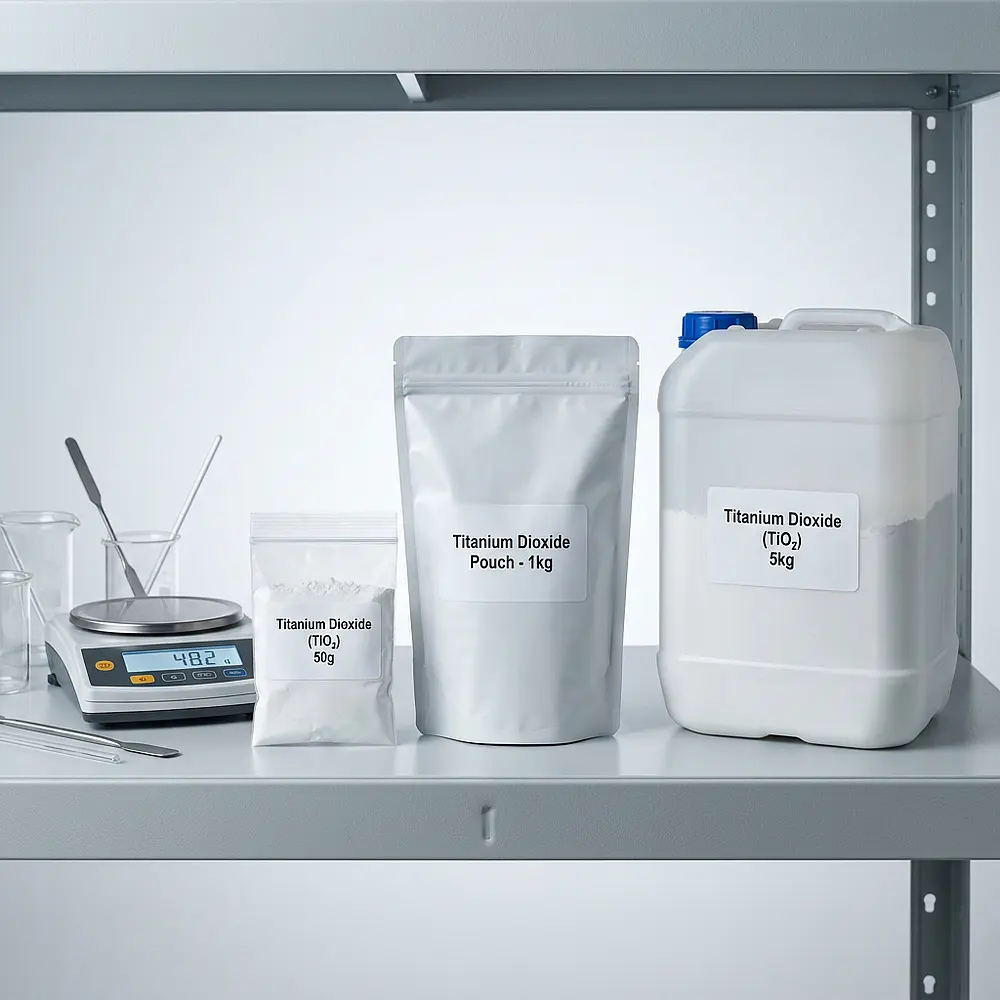
Small packs are ideal for first tests, occasional makers, classrooms, or anyone trying a new supplier. A 1 oz bag can last quite a while if you only use titanium dioxide in soap for occasional swirls or partial-batch whitening. A 4 oz size is a common middle ground for regular hobby use.
Larger packs make sense for small businesses that produce bright white bars or use a TiO2 soap colorant in many designs. If you reorder often, buying a pound at a time can reduce cost and improve batch-to-batch consistency, especially if you stay with the same supplier and grade. Store it tightly sealed, dry, and away from humidity so the powder stays easy to work with.
Related Reading
For a broader understanding of the ingredient itself, read what titanium dioxide is. That page explains why it functions so well as a whitening pigment across both cosmetic and non-cosmetic applications.
If your main concern is regulation or hazard rather than soap formulation, visit our safety page for deeper context. You can also return to the homepage to explore related guides on titanium dioxide in other product categories.
FAQ
Which type of titanium dioxide works best for melt-and-pour soap?
For melt-and-pour soap, the best titanium dioxide is a very finely milled cosmetic pigment that blends quickly into the melted base and creates a smooth, even opacity. The most successful option is usually the one the supplier clearly identifies for melt-and-pour use, because that helps reduce guesswork and lowers the chance of white flecks or poor blending. In clear base especially, the right product should turn transparency into a soft, creamy look without making the soap seem heavy or dusty. A small test is worthwhile, since different bases can react differently. The ideal choice gives uniform color, easy mixing, and a clean finish rather than streaks or graininess.
Which type of titanium dioxide works best for cold process soap?
For cold process soap, the best titanium dioxide is one that behaves well in alkaline batter and disperses smoothly without leaving specks. A soap-friendly rutile pigment is often preferred for that reason. Many makers choose the version their supplier specifically recommends for cold process, because easy mixing and a smooth final finish matter more than a one-size-fits-all rule. Your recipe style can also influence what works best: if you like blending colorants into a little liquid oil before adding them, a compatible format may be the most practical choice. The goal is a bright, even white with minimal streaking, clumping, or drag in the finished bar.
Should I use oil-dispersible or water-dispersible titanium dioxide in soap making?
Use the type that matches your soap base: oil-dispersible titanium dioxide for cold process soap and water-dispersible titanium dioxide for melt-and-pour soap in most cases. In cold process, pre-mixing an oil-dispersible grade into a little lightweight oil usually gives a smoother blend and fewer specks. In melt-and-pour, a water-dispersible grade typically incorporates more easily into the water-based base. If a supplier labels it for “soap making,” follow that guidance first. The main goal is easy dispersion without clumps. If you make both soap types, many makers keep both versions on hand for the cleanest, most predictable results.
What is the difference between cosmetic-grade and industrial-grade titanium dioxide for soap?
For soap, buy titanium dioxide that is explicitly intended for cosmetic or personal-care use. Cosmetic-grade material is chosen with skin-contact products in mind and is the appropriate option for handmade soap. Industrial-grade titanium dioxide, by contrast, is produced for uses such as coatings, plastics, paper, or paint, where the priorities are different from a rinse-off body product. That difference matters because a soap maker needs a pigment selected and documented for cosmetic application, not one optimized for manufacturing performance in non-cosmetic industries. In short: if you are making soap, choose a product sold for cosmetics or soap making and skip industrial grades.
Is titanium dioxide in soap the same as CI 77891?
Yes—on cosmetic ingredient labels, titanium dioxide is typically the same substance identified as CI 77891. “CI” stands for Colour Index, and 77891 is the standard pigment identifier used for titanium dioxide when it appears as a colorant in cosmetics and soap. So if a soap-making supplier lists titanium dioxide and the INCI/color index says CI 77891, that is generally the match you want. Still, the label term does not by itself tell you everything about grade, particle size, or whether it is best suited to a specific soap project, so product quality and intended cosmetic use still matter.
What does titanium dioxide do in cold process and melt-and-pour soap?
Titanium dioxide changes how soap looks rather than how it performs. In cold process soap, it is useful when you want sharp white sections, stronger visual separation in layers or swirls, or a softer version of another color in the design. In melt-and-pour soap, its key role is shifting a transparent or translucent base toward a more lotion-like, creamy appearance. The practical difference is in the visual effect you control: in cold process, it helps shape design definition; in melt-and-pour, it mainly controls transparency. If overused or mixed poorly, the finish can look flat, chalky, or streaky instead of smooth and polished.
What is titanium dioxide in soap, and why do soap makers use it?
Titanium dioxide in soap is a white mineral pigment used mainly to whiten, brighten, and make soap more opaque. Soap makers use it to create a clean white base, lighten natural oils that cure beige or yellow, and soften other colorants into pastel shades. It can also improve contrast in layered or swirled designs. In simple terms, it is added for appearance, not for cleansing or lather performance. As of 11.07.2026, it remains a common color additive in soap making, especially in handmade bars, because it gives a more even, polished look and helps makers achieve consistent visual results batch after batch.
What should I look for when buying titanium dioxide for soap making?
When buying titanium dioxide for soap making, focus on product details that help you get predictable results in the workshop. It should be clearly labeled for cosmetic or soap use, and the listing should tell you which format it is so you can match it to your process. Good supplier information also makes selection easier: look for clear ingredient naming, lot identification, and practical handling guidance. Many makers value a powder that is very fine and easy to disperse, because that reduces specks and streaks in the finished bar. Packaging quality and supplier transparency are useful signs as well. The goal is not just whiteness, but a soap colorant that is easy to use consistently from batch to batch.
Can I combine titanium dioxide with micas, oxides, or clays to create pastel soap colors?
Yes, titanium dioxide is very useful for creating pastel soap colors with other colorants. Its main role in these blends is to lighten and soften the original shade, so stronger colors become gentler and more muted. That makes it especially helpful when you want delicate versions of pink, blue, green, lavender, or other tones instead of bold, saturated color. A practical method is to prepare the other color first and then add small amounts of titanium dioxide until the balance looks right. Use restraint, because too much can flatten the color or dull the overall effect. In soap making, small test batches are the easiest way to find a soft pastel without losing clarity in the design.
Does titanium dioxide affect lather, texture, or skin feel in soap?
Titanium dioxide is mainly a visual additive, so at normal usage levels it usually does not transform how soap performs in use. Most bars will still lather much the same, and any change in skin feel is often minor when the amount is modest. Where you can notice a difference is with heavier use: the bar may feel a bit denser, less silky, or slightly more powdery on the skin. It can also affect the finish of the bar itself, making it seem firmer or less refined if the pigment is overdone or not mixed smoothly. In short, small amounts are usually neutral; excess can make the soap feel more chalky and less elegant.
Is non-nano titanium dioxide better for soap making?
For many soap makers, non-nano titanium dioxide is the more comfortable choice, mainly from a handling perspective. In actual soap performance, nano and non-nano versions usually do not create a dramatic difference in whitening for a typical rinse-off bar. What tends to matter more in practice is whether the pigment is easy to disperse, gives a smooth finish, and suits the soap process you use. So if you are asking which is “better,” the answer is usually better for peace of mind and routine workshop use rather than dramatically better visual results. Many makers therefore choose non-nano for soap while still treating all dry pigment powders carefully.
Is titanium dioxide safe in soap for regular skin contact?
Yes, titanium dioxide is generally considered low-risk in finished soap when used appropriately. In a rinse-off bar, it is valued as a color additive rather than as an active skin-treatment ingredient, and most people do not notice any issue from normal use on intact skin. The bigger practical concern for soap makers arises during handling of the loose powder, because fine particles should not be allowed to become airborne. That means measuring carefully, mixing gently, and using sensible dust control. If someone has especially reactive skin, a patch test is still a cautious step. For ordinary use, though, titanium dioxide in finished soap is widely regarded as suitable for regular skin contact.
How do I disperse titanium dioxide properly to avoid clumps in soap batter?
To disperse titanium dioxide well, make it into a smooth slurry before adding it to soap. Place the powder in a small container, add a compatible liquid, and work it until no dry pockets remain. A useful starting ratio is roughly 1 part titanium dioxide to 2–3 parts liquid. Then stir thoroughly and press out any stubborn specks with a spatula, mini mixer, or milk frother. The goal is a fluid, lump-free mixture that pours evenly into the soap instead of dropping in as powdery bits. Once smooth, add it to the soap and mix fully. If tiny particles remain, straining the slurry can help improve the final finish.
What is the recommended usage rate of titanium dioxide in melt-and-pour soap?
For melt-and-pour soap, start with about 1/8 to 1/4 teaspoon of titanium dioxide per pound, then increase only if the base still looks more transparent than you want. A heavier white effect can sometimes need up to about 1/2 teaspoon per pound, but pushing beyond that often hurts the finish more than it helps. In clear or translucent bases, small changes go a long way, so gradual adjustment is the safest approach. The right amount depends on your specific base and whether you want a light creamy cast or a more fully opaque look. Testing in small increments usually gives the cleanest, most controlled result.
How much titanium dioxide should I use per pound of oils in cold process soap?
Use about 1 teaspoon per pound of oils as a solid starting point for cold process soap. For a softer white or pastel boost, ½ teaspoon PPO is often enough; for a brighter white, go up to 1–2 teaspoons PPO. Staying near the lower end usually gives a smoother result, while too much can leave draggy lather, chalkiness, or visible white specks. For best consistency, pre-disperse the titanium dioxide before adding it to the batter. If you’re testing a new formula, start with 1 teaspoon PPO, make a small batch, and adjust from there based on how white you want the finished bars.