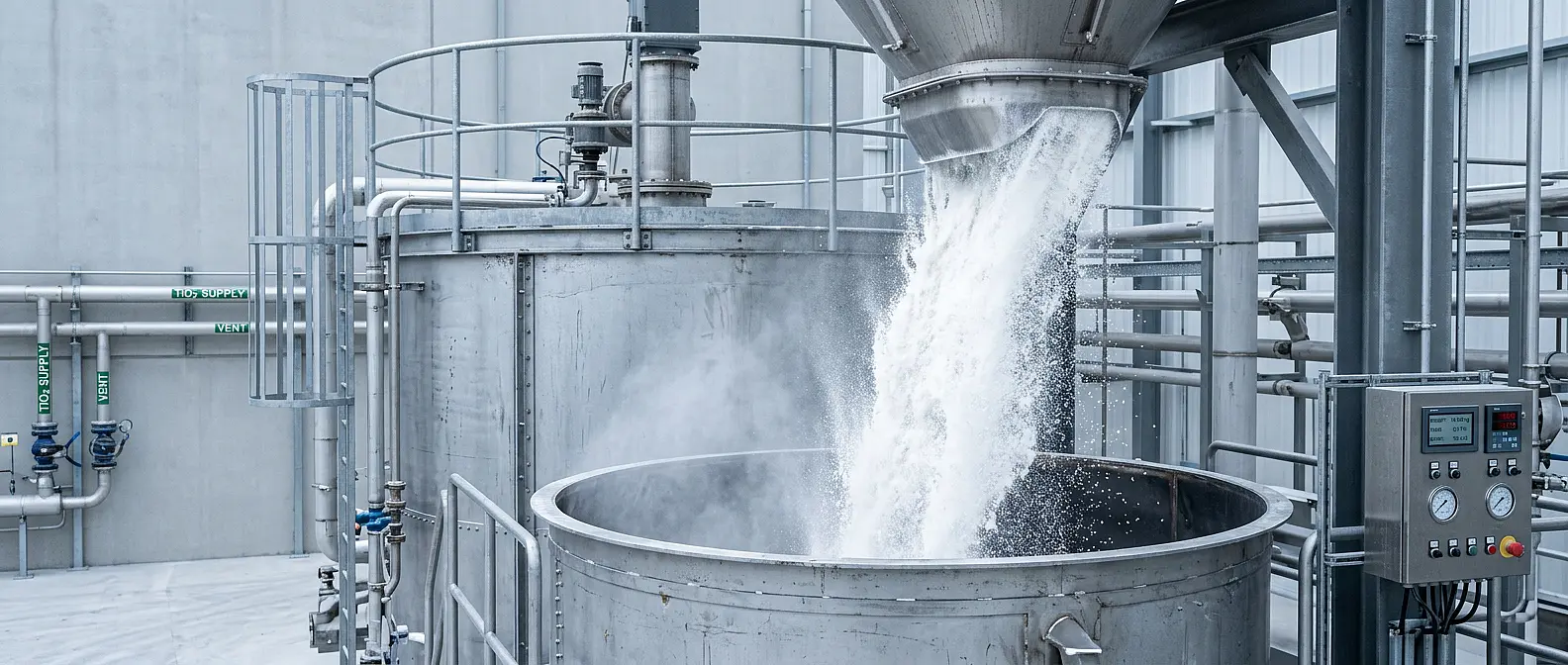
Titanium Dioxide Pigment
Titanium dioxide pigment is specified, not simply purchased — because the same nominal grade from two different production routes can deliver measurably different hiding power, batch consistency, and exterior durability in the same formulation system. A coatings formulator choosing between a Sulfate-route anatase Type I and a Chloride-route rutile Type IV is not selecting between two versions of the same material: the production chemistry, calcination regime, surface treatment, and resulting particle morphology differ fundamentally, and those differences propagate directly into PVC response, dispersion behavior, and accelerated weathering results.
This page addresses the pigment perspective exclusively: how titanium-bearing ores are converted into finished pigment through two distinct industrial routes, what the ASTM grade classifications mean in practical formulation terms, how Pigment Volume Concentration governs opacity and cost, and what the coatings, paper, and plastics industries require from TiO₂ pigment at the process level. The underlying chemistry — crystal structure, refractive index, polymorph-specific density — is documented at our TiO₂ overview and is not repeated here. This page starts where the ore ends and the pigment begins.
Table of Contents
- From Ore to Pigment: The Two Industrial Production Routes
- Titanium Mineral Feedstocks: Ilmenite, Rutile, and Synthetic Upgrades
- Pigment Grades and Specifications: ASTM Types I–IV
- Optical Performance in Formulations: Hiding Power, PVC, and Particle Size
- Surface Treatment (Post-Treatment) of TiO₂ Pigment
- TiO₂ Pigment Applications by Industry Segment
- Selecting the Right TiO₂ Pigment: A Decision Framework
- FAQ
From Ore to Pigment: The Two Industrial Production Routes
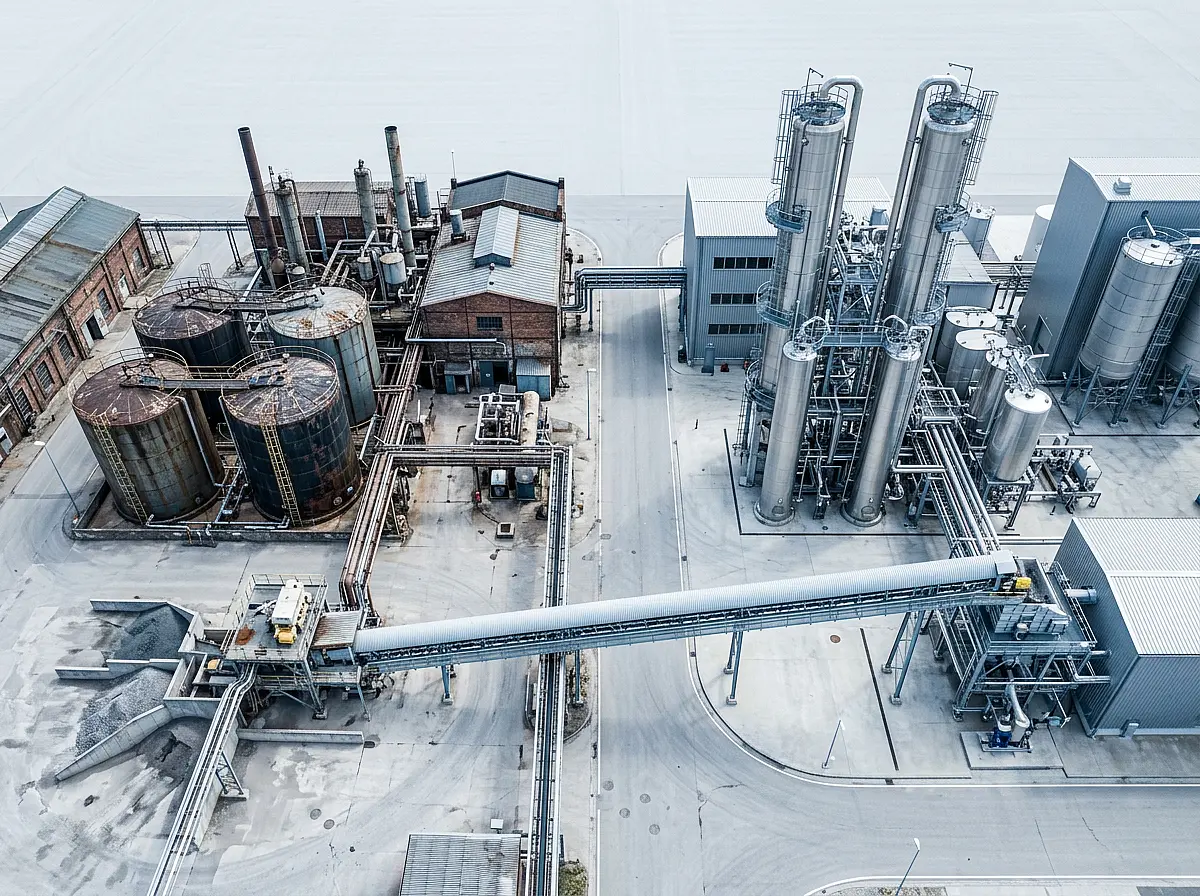
Global titanium dioxide pigment supply is divided between two industrial manufacturing routes — the Sulfate Process at approximately 40% of worldwide output and the Chloride Process at approximately 60%, commercialized by DuPont in the early 1950s and dominant today due to measurable advantages in cost efficiency, waste reduction, and pigment quality (Gázquez et al., 2014, Materials Sciences and Applications, 5(7), 441–458). What that production-share figure does not capture is the degree to which the two routes differ at the process-physics level — specifically at the calcination stage, where temperature regime and reaction kinetics determine particle morphology, crystallization completeness, and the oil absorption value that formulators encounter on every TDS.
In the Sulfate route, the hydrated TiO₂ intermediate is calcined in rotating kilns at 800–1 000 °C over residence times measured in hours. This slow, sustained heating environment allows crystal growth to proceed relatively uniformly, yielding particles that tend toward a more equidimensional, near-spherical morphology with moderate surface area. The extended thermal profile also gives operators the ability to control polymorph output — shifting calcination temperature and the addition of mineralizing agents steers the product toward anatase or rutile. In the Chloride route, by contrast, TiCl₄ vapor is oxidized in a flame reactor at 900–1 000 °C with reaction times on the order of milliseconds. This flash-oxidation environment produces particles with a more ellipsoidal to slightly elongated morphology and a tighter particle size distribution, because nucleation and growth are effectively quenched before secondary agglomeration can occur. The morphological consequence is directly measurable: Chloride-route rutile pigments typically exhibit lower oil absorption values — commonly 16–22 g/100 g — compared with Sulfate-route grades, which more often fall in the 18–28 g/100 g range depending on post-milling intensity. Lower oil absorption signals that less binder is consumed wetting the pigment surface, which has direct implications for PVC targeting and formulation cost at equivalent hiding power.
The Sulfate Process (Sulfate Route): Ilmenite to Pigment
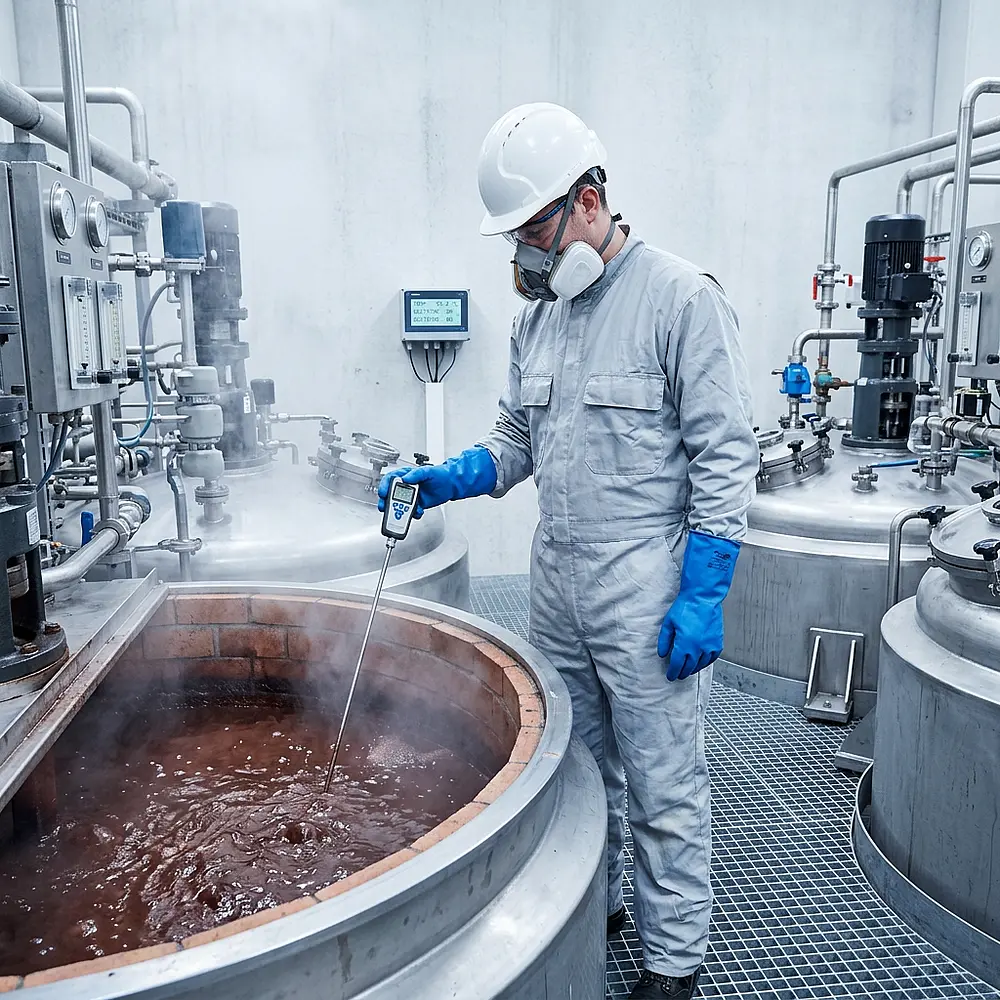
In the Sulfate Process, ilmenite ore (FeTiO₃) is dissolved in concentrated sulfuric acid, generating a hydrated TiO₂ intermediate that is subsequently filtered, purified, and calcined to yield the finished pigment. A commercially significant advantage of this route is its operational flexibility: by adjusting calcination conditions — temperature, duration, and the use of anatase or rutile mineralizers — producers can direct output toward either polymorph, a degree of control the Chloride route does not offer with equal ease. This flexibility comes at a cost, however: the process generates large volumes of acidic iron-sulfate by-products, which increase waste-treatment expenditure and impose a substantial environmental compliance load — a factor buyers increasingly weigh when auditing supply-chain sustainability. For the global production share this route represents, see the production-routes introduction above.
The Chloride Process (Chloride Route): Rutile-Dominant Pigment
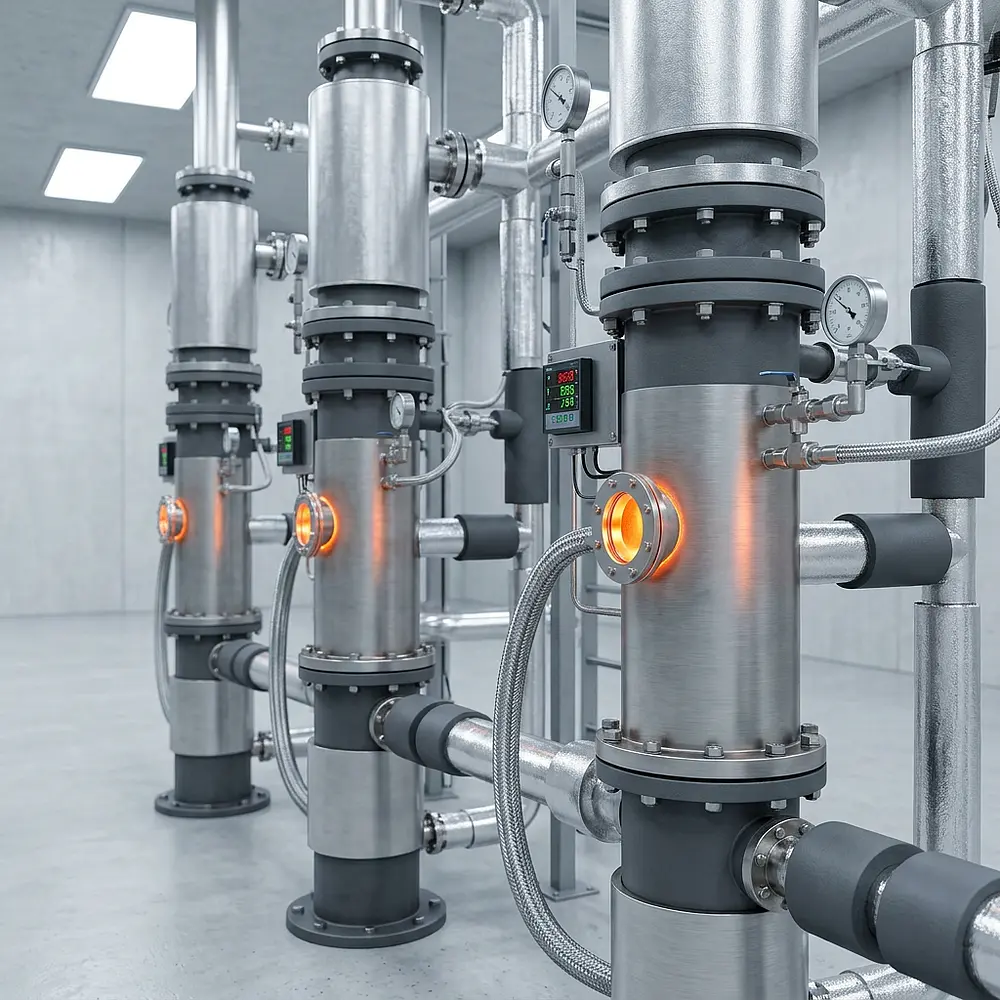
The Chloride Process converts high-TiO₂ feedstocks — including natural rutile, synthetic rutile, and upgraded ilmenite — first into titanium tetrachloride (TiCl₄) through reaction with chlorine gas, and then into pigment-grade TiO₂ via high-temperature oxidation in a flame reactor. A defining product characteristic sets this route apart: it almost exclusively yields rutile-form pigment, the crystal modification that delivers superior weathering resistance, opacity, and gloss retention compared with anatase — performance dimensions documented in detail in our TiO₂ property data and our rutile vs anatase comparison. This structural outcome aligns precisely with the demands of high-performance coatings, plastics, and industrial applications where long-term outdoor stability is non-negotiable. Lower waste volumes, reduced labor requirements, and consistently superior batch quality — including tighter whiteness variation and particle size distribution relative to Sulfate-route equivalents — have made the Chloride route the dominant commercial reality for formulators in demanding end-use segments. The feedstock requirements that underpin this process are addressed in the feedstocks section below (Gázquez et al., 2014).
Why Route Choice Matters: Dominance Drivers and Supply Implications
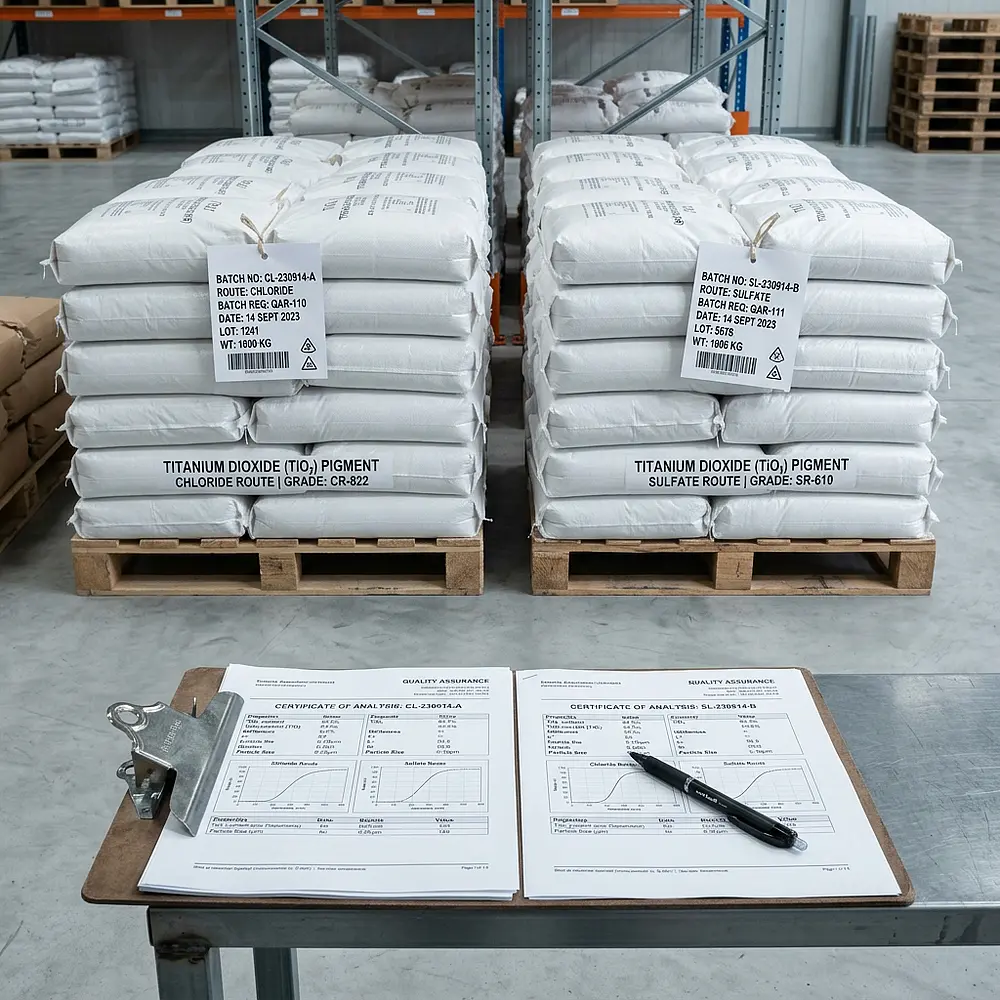
For coatings formulators and procurement teams, the practical consequence of route selection extends beyond pigment quality into supply security and incoming QC discipline. Because the Chloride route depends on high-grade feedstock whose global reserves are structurally limited, any tightening in synthetic rutile or titanium slag availability propagates directly into Chloride-route pigment pricing and lead times — a risk that does not appear on a product datasheet but has historically driven spot-market volatility. Sulfate-route pigment, drawing primarily on abundant ilmenite, carries less feedstock-concentration risk but typically arrives with a wider batch-to-batch variability window: whiteness values (CIELab L*) from Sulfate-route production can vary by ±1.5–2.5 ΔE units between production campaigns, compared with ±0.5–1.0 ΔE for well-controlled Chloride-route output — a difference that is operationally significant in colour-matching lines where shade consistency is contractually specified. Buyers sourcing across both routes therefore face a genuine trade-off between supply-chain resilience and product-consistency guarantees — one that justifies dual-sourcing strategies for high-volume, specification-critical applications (Gázquez et al., 2014).
Titanium Mineral Feedstocks: Ilmenite, Rutile, and Synthetic Upgrades

The raw materials feeding global titanium dioxide pigment production divide sharply by both volume and grade. Ilmenite (FeTiO₃) accounts for approximately 91% of worldwide titanium-mineral demand — with estimated reserves of around 650 million tonnes — while natural rutile reserves stand at only about 42 million tonnes, a stark scarcity contrast with direct commercial consequences (Gázquez et al., 2014). Because the Chloride Process demands high-TiO₂ feedstock yet natural high-grade rutile is structurally limited, the industry developed two intermediate upgrading products: synthetic rutile, produced by selectively removing iron from ilmenite, and titanium slag, a smelter by-product with elevated TiO₂ content. Pigment buyers sourcing from Chloride-process producers are therefore indirectly exposed to synthetic rutile and slag supply dynamics — a dependency that shapes availability and pricing in ways that rarely surface during routine grade qualification.
| Feedstock | TiO₂ Content | Route Compatibility | Relative Abundance |
|---|---|---|---|
| Natural rutile | ~95–96% | Chloride (preferred) | Scarce (~42 Mt reserves) |
| Synthetic rutile / titanium slag | ~85–95% | Chloride (primary upgrade solution) | Moderate (process-dependent) |
| Ilmenite | ~45–65% | Sulfate (primary); Chloride (upgraded grades only) | Abundant (~650 Mt reserves) |
Pigment Grades and Specifications: ASTM Types I–IV
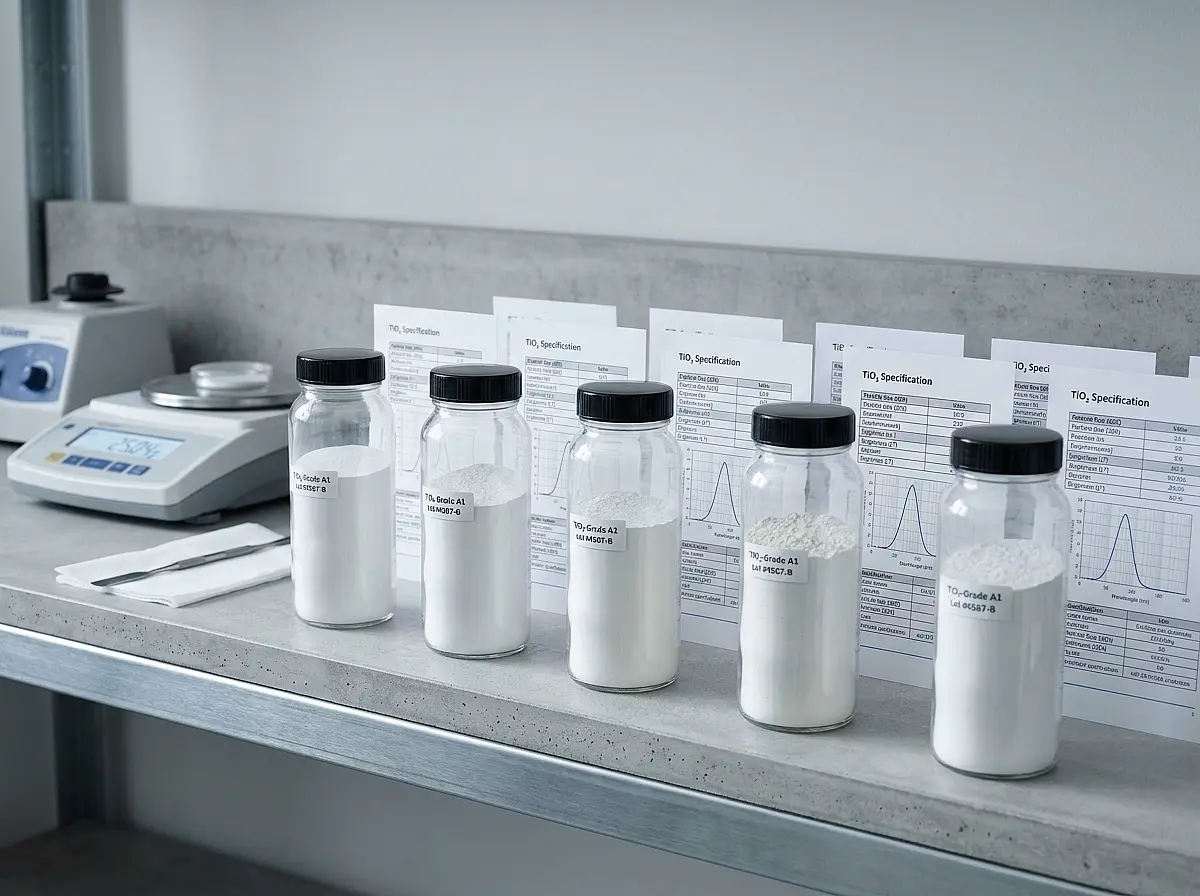
The formal classification framework for titanium dioxide pigment grades used in coatings is defined by ASTM standard specifications, which organize commercial TiO₂ into four distinct types — each differentiated by minimum TiO₂ content, crystal form, and intended performance profile (Gázquez et al., 2014). Type I specifies anatase form and is suited to applications where its characteristic chalking behavior is acceptable (see the chalking mechanism under surface treatment below). Type II, also a core architectural grade, specifies at least 92% TiO₂ in rutile form with moderate chalking resistance, covering the broadest range of interior paints and industrial coatings. Types III and IV each require a minimum of 80% TiO₂ — both rutile — but serve specialist roles: Type III targets alkyd- and emulsion-based flat wall paints, while Type IV is engineered for exterior applications demanding superior durability. Japan maintains a parallel classification under JIS K5116-1973: under this system, Grade 1 corresponds approximately to ASTM Type II rutile but specifies a minimum TiO₂ content of 88% rather than 92%, reflecting the historically higher tolerance for extender co-grinding in Japanese industrial coatings practice. Crystal-form properties and refractive indices for anatase versus rutile are documented separately in our TiO₂ crystal-form data; surface treatment effects are addressed in the dedicated section below.
ASTM Type I (Anatase) and Type II (Rutile): Core Architectural Grades
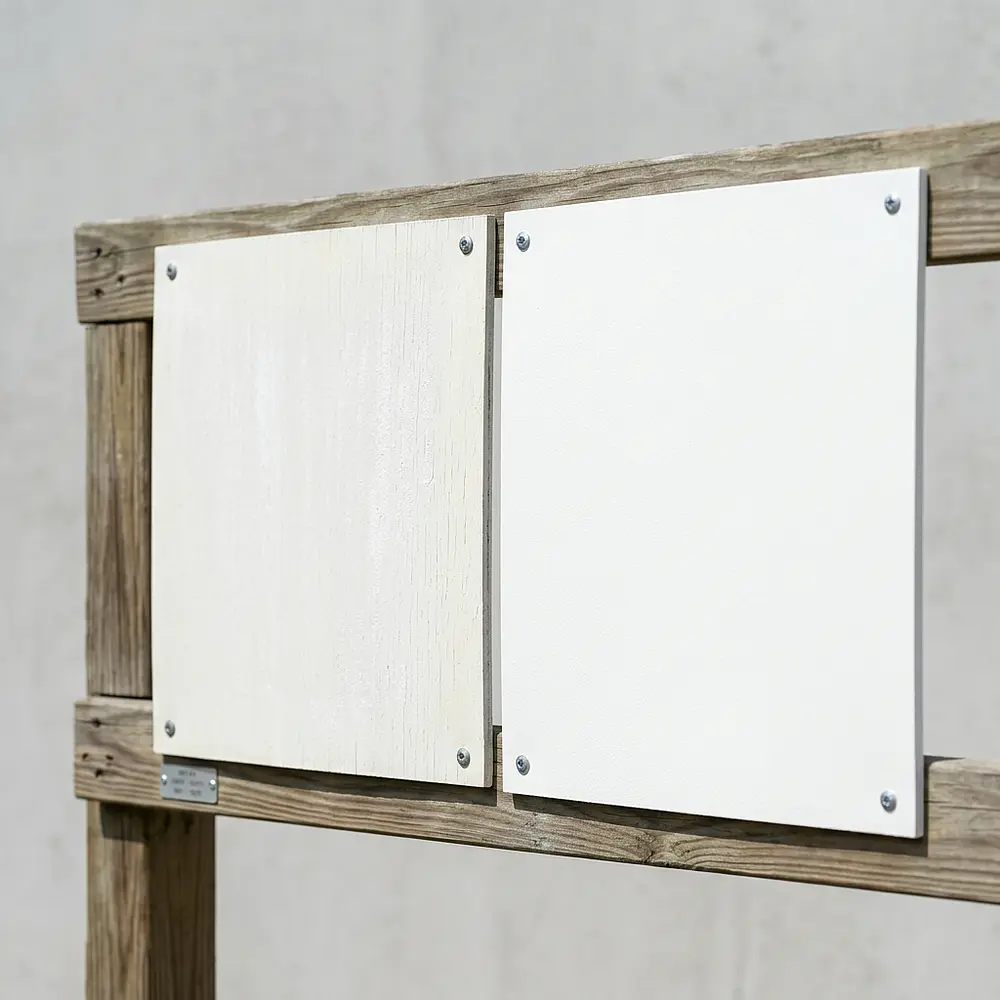
In everyday formulation practice, the choice between ASTM Type I and Type II resolves around three variables that go beyond the grade specifications already set out above: the binder system in use, the required optical character, and the dispersion energy available in the production process.
Type I anatase pigment finds its natural home in premium interior dispersion paints and high-whiteness ceiling finishes where the slightly blue-white undertone of anatase is actively desirable — colour-matching specifications for clinical white and paper-white interiors regularly favor Type I over rutile for precisely this optical character. In waterborne emulsion systems, Type I disperses readily at moderate energy input: a high-speed dissolver running at 20–30 m/s tip speed for 15–20 minutes typically achieves adequate fineness of grind (Hegman 6–7) without the prolonged milling that some rutile grades require. Typical letdown practice adds TiO₂ to the water-thickener premix before binder introduction, minimising foam entrapment. Formulators target PVC values of roughly 25–40% for standard interior flat emulsions based on Type I, staying below the Critical PVC to preserve per-particle scattering efficiency while keeping raw-material cost in check. Representative finished products include washable interior emulsions, water-based primer-sealers for plasterboard, and decorative distemper formulations in markets where anatase brightness is a commercial differentiator.
Type II rutile pigment (→ weathering and gloss retention: why rutile outperforms anatase) is the most commercially dominant grade globally — applicable across semi-gloss interior emulsions, alkyd and waterborne industrial lacquers, and wood coatings. Dispersion of rutile grades typically demands slightly higher shear input than anatase: dissolver tip speeds of 25–35 m/s or bead-mill finishing passes are common in waterborne systems to break down surface-treated agglomerates and reach Hegman 6+ fineness. In practice, Type II slurries in waterborne systems are commonly supplied at 68–72% solids by weight, a concentration that balances pumpability against the risk of dilatant flow at high shear rates during letdown. In alkyd and solvent-borne lacquers, Type II is commonly pre-dispersed as a millbase at 55–65% pigment weight in the resin solution before letdown to final application viscosity. PVC targets for semi-gloss interior emulsions sit in the 25–35% range; industrial alkyd lacquers typically operate at 15–25% PVC to maintain the gloss levels the binder system supports. Practical end-use examples span semi-gloss architectural wall paints, waterborne industrial primers, clear-coat-over-base automotive refinish systems, and furniture lacquers where non-yellowing stability under artificial light is specified (Gázquez et al., 2014).
ASTM Types III and IV (Rutile, ≥80%): Flat-Paint and Exterior Specialist Grades
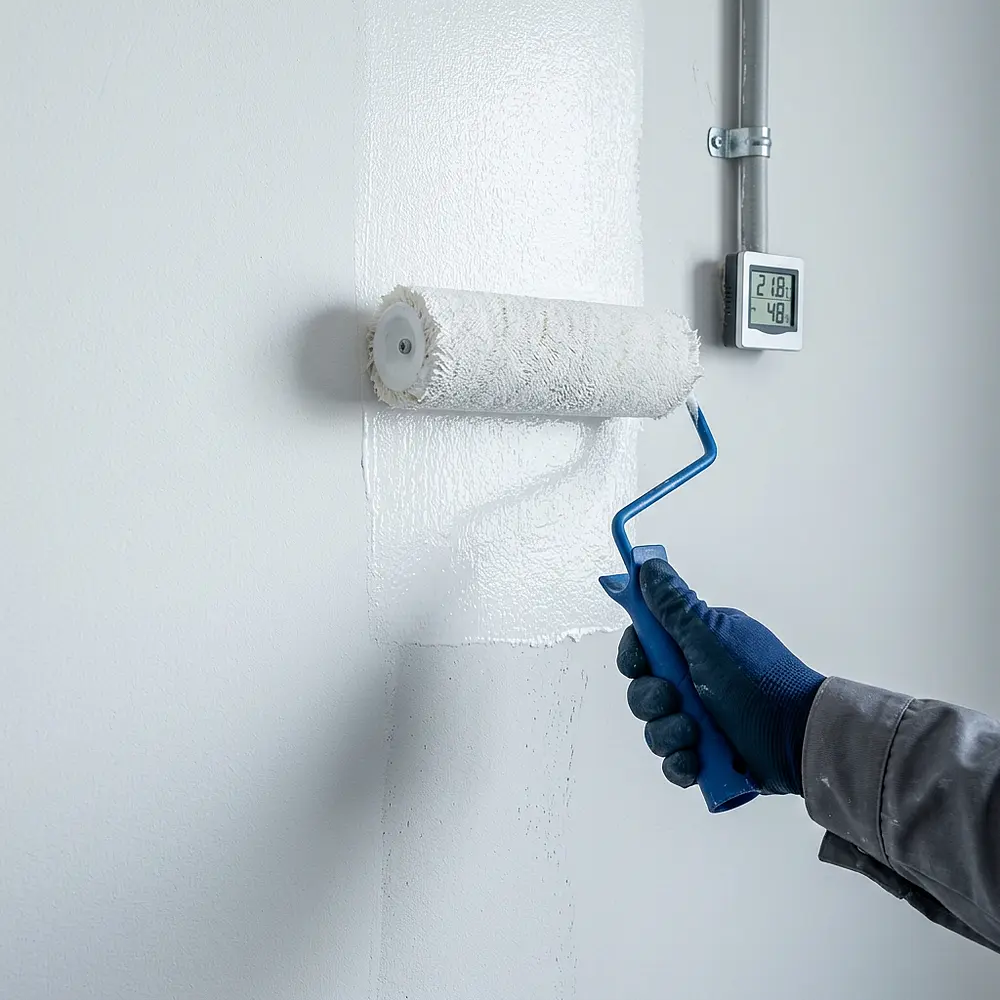
Both ASTM Types III and IV specify rutile-form pigment at a minimum TiO₂ content of 80% — lower than Types I and II, yet field performance is driven primarily by post-treatment and surface engineering rather than raw TiO₂ percentage alone (Gázquez et al., 2014). For practical grade selection and supplier comparison, the ASTM D476 minimum TiO₂ content and typical oil absorption values for each type provide the most operationally useful reference points:
| ASTM Type | Crystal Form | Min. TiO₂ (ASTM D476) | Typical Oil Absorption (g/100 g) | Primary Application |
|---|---|---|---|---|
| Type I | Anatase | 94% | 22–32 | Interior/exterior architectural paints, high-whiteness finishes |
| Type II | Rutile | 92% | 16–24 | Interior emulsions, industrial coatings, broad architectural use |
| Type III | Rutile | 80% | 18–27 | Alkyd- and emulsion-based flat wall paints |
| Type IV | Rutile | 80% | 15–22 | Durable exterior coatings, high chalk resistance |
The oil absorption differential between Types III and IV is formulatorially significant: Type IV's lower OA range (15–22 g/100 g) reflects the heavier inorganic surface treatment applied to exterior-grade particles, which reduces surface energy and binder demand simultaneously. Type III targets alkyd- and emulsion-based flat wall paints, where the slightly higher OA is acceptable and cost favors a lighter treatment load. Type IV grades are produced almost exclusively via the Chloride route (→ weathering rationale: the rutile durability rationale), reflecting that process's structural advantage in particle consistency and surface-treatment compatibility.
Optical Performance in Formulations: Hiding Power, PVC, and Particle Size
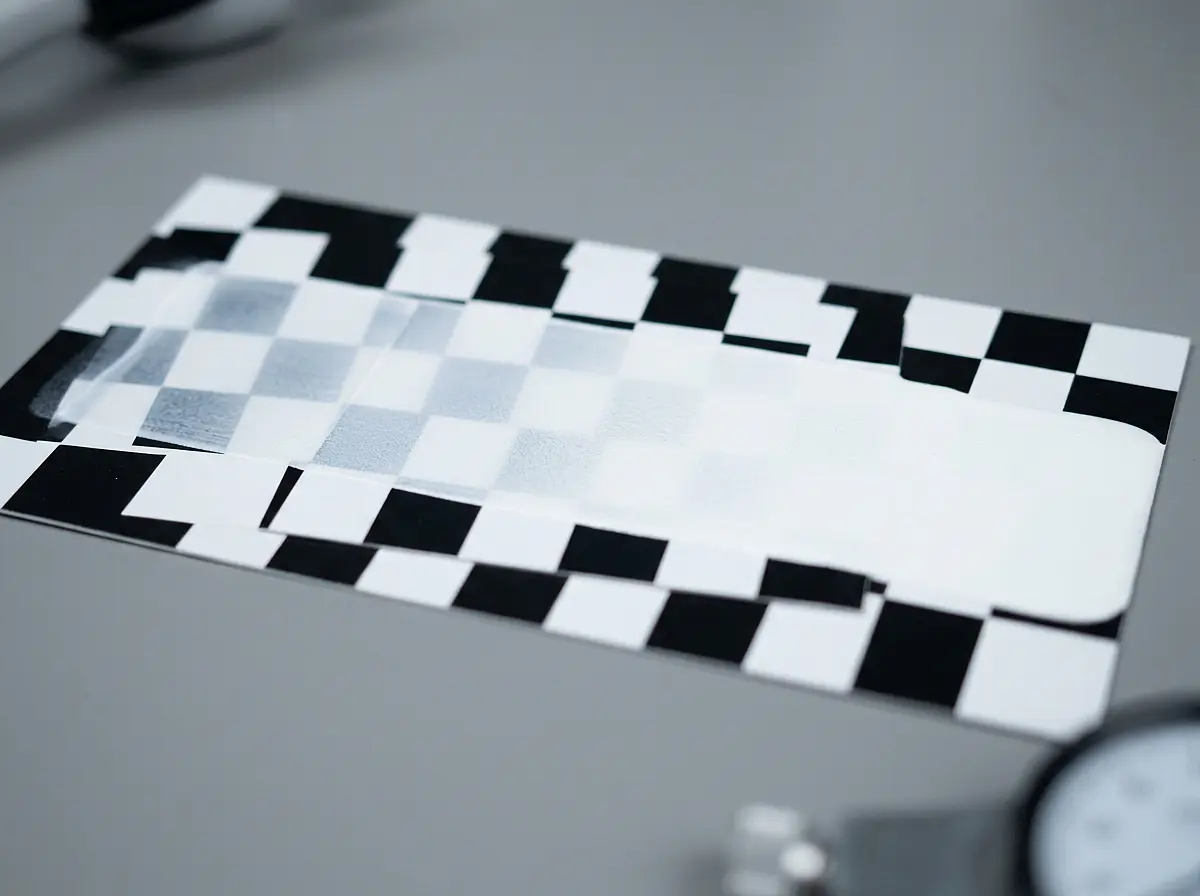
The hiding power of titanium dioxide pigment in a coating is governed by two formulation variables above all others: Pigment Volume Concentration (PVC), which controls how densely pigment particles are distributed within the dried film, and primary particle size, which determines how efficiently each particle scatters visible light. The sections below develop each variable in practical formulation terms; refractive-index fundamentals underlying the scattering mechanism are addressed in our TiO₂ optical fundamentals and are not repeated here.
Pigment Volume Concentration (PVC): Opacity vs. Crowding
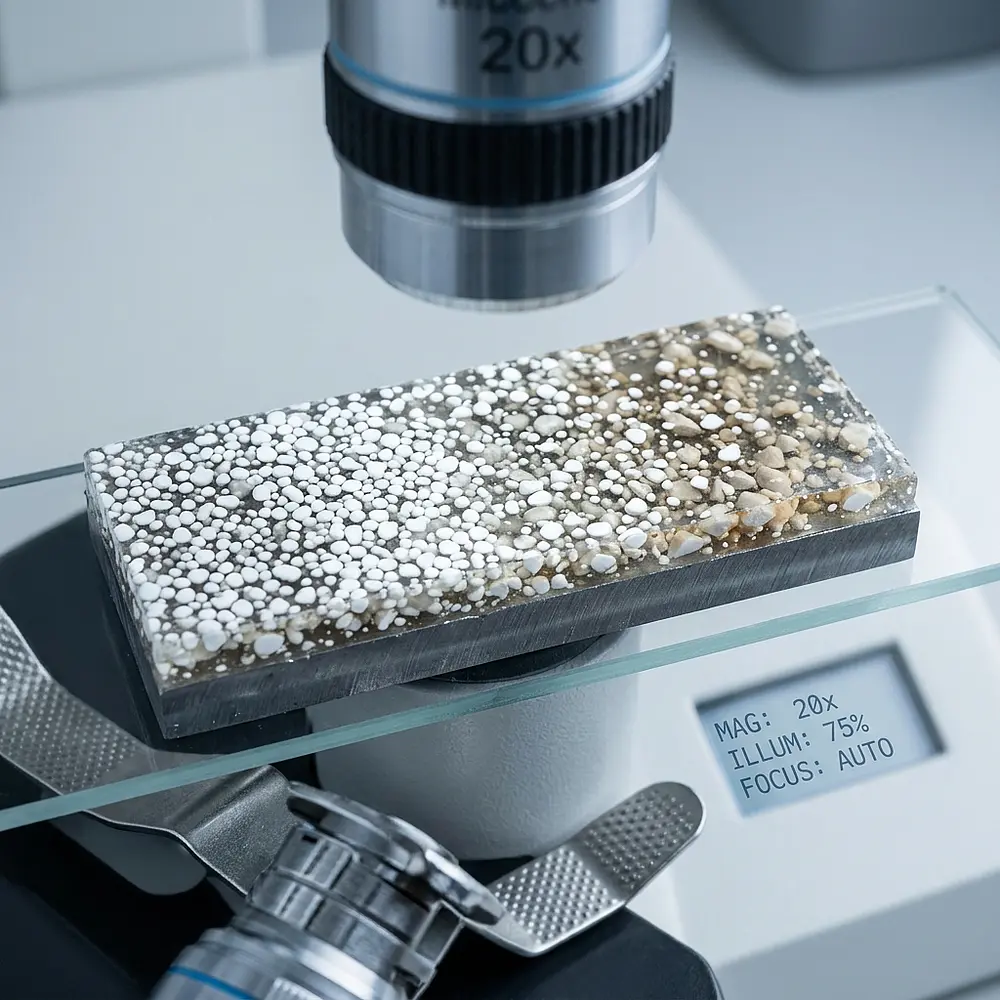
The Pigment Volume Concentration is defined as the volume fraction of all pigments — TiO₂ plus any extenders — relative to the total non-volatile volume of a dried coating film (Gázquez et al., 2014). In high-gloss coatings, PVC values of roughly 15–25% keep particles well-separated within the binder, allowing each TiO₂ particle to scatter light at close to its theoretical maximum efficiency. As PVC rises toward and beyond the Critical PVC, inter-particle spacing narrows to the point where adjacent scattering volumes begin to overlap — a crowding effect that causes measurable interference between neighbouring particles and produces diminishing opacity returns per additional gram of TiO₂ added. This is the central cost insight governing the relationship between PVC and opacity in titanium dioxide-pigmented coatings: at elevated PVC, strategic extender co-pigmentation — calcined kaolin, precipitated calcium carbonate, or synthetic silica — often delivers equivalent hiding at lower raw-material cost than simply loading more TiO₂. Reliable cost-per-opacity calculations must account for TiO₂'s high density — approximately 4.2 g/cm³ for rutile — making volume-basis formulation essential; polymorph-specific density values are documented in our TiO₂ density data.
Particle Size Engineering for Light Scattering Efficiency
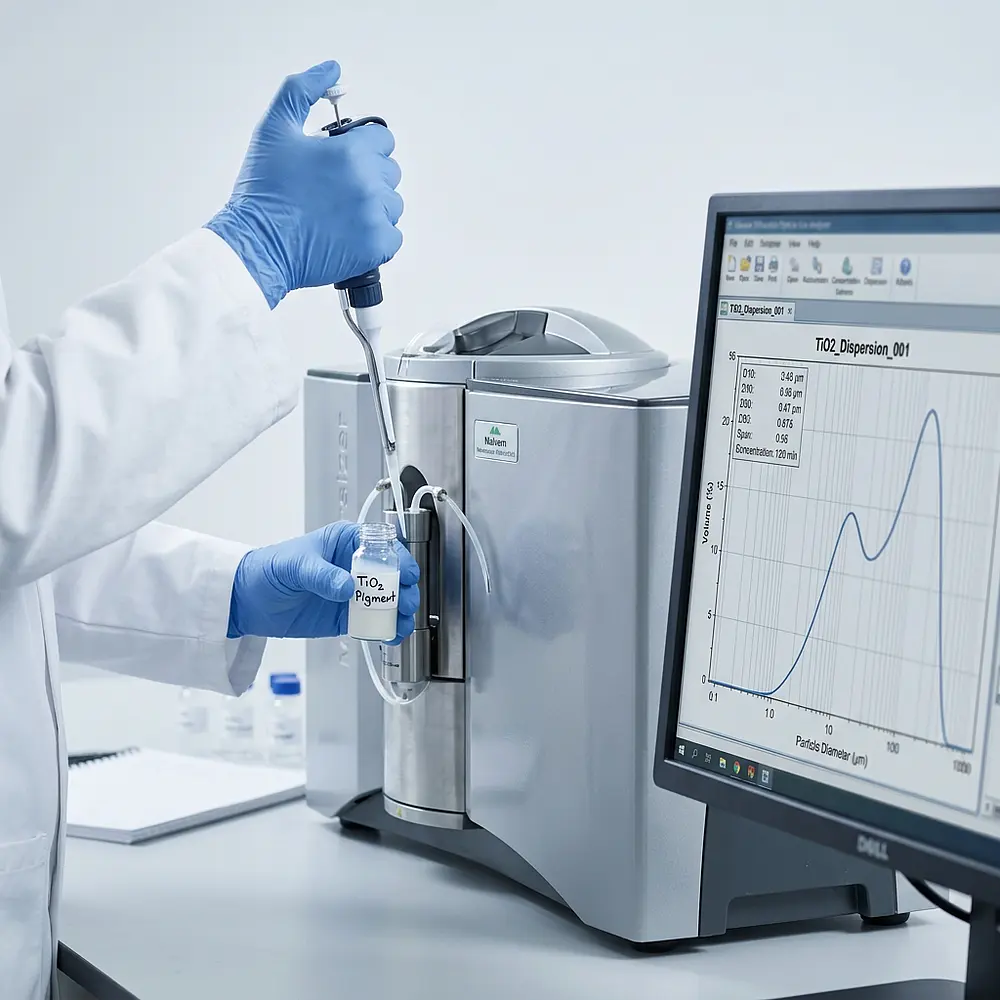
Effective light scattering by titanium dioxide pigment depends on matching particle dimensions to the wavelengths of visible light — roughly 400–700 nm. Industry practice targets a primary particle size of approximately 200–300 nm, with an efficiency peak near 280 nm, because at this scale Mie scattering is maximized. Particles significantly smaller than this optimum shift toward less efficient Rayleigh-like scattering; particles considerably larger reduce scattering efficiency per unit mass, delivering opacity at disproportionate raw-material cost. Producers therefore tightly control particle size distribution throughout calcination and milling to keep the scattering efficiency of titanium dioxide pigment as a function of particle size within its optimal window. A second, equally important lever is the refractive-index differential between pigment and surrounding matrix — expressed as Δn = npigment − nmatrix; rutile and anatase refractive-index values differ in ways that directly shift this Δn advantage depending on the polymer or binder system in use. Even perfectly engineered particles lose their optical advantage if the dispersion step is inadequate: particle size distribution optimization in the production plant can be undone entirely by insufficient shear energy during the coating manufacturing process, a point developed specifically for melt-compounding in the plastics section below.
Surface Treatment (Post-Treatment) of TiO₂ Pigment
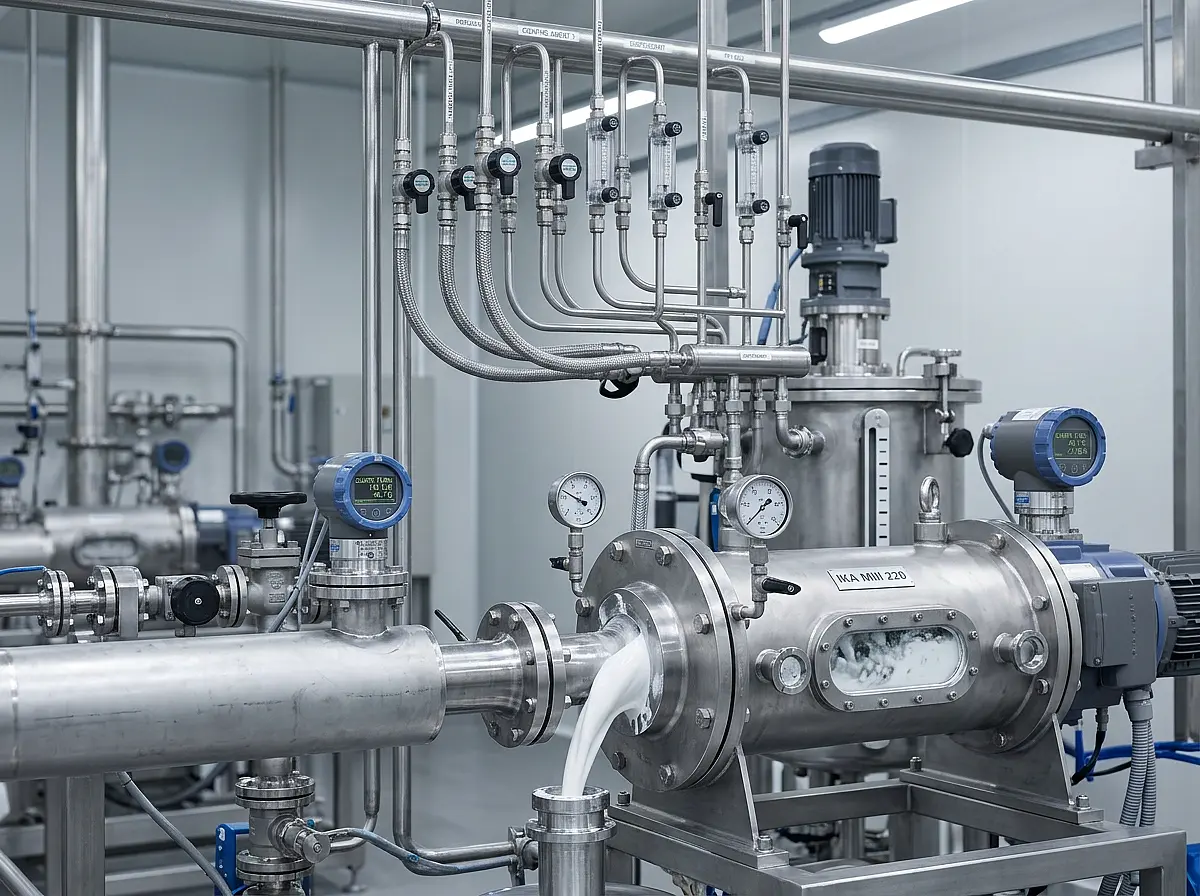
After base TiO₂ is produced and milled to its target particle size, manufacturers apply surface treatments that represent one of the most consequential — and least transparent — differentiators in titanium dioxide pigment quality. Inorganic coatings, typically alumina (Al₂O₃), silica (SiO₂), or zirconia (ZrO₂), applied individually or in combination, perform distinct technical functions that go well beyond simple encapsulation. Commercial treatment loadings fall within defined practical ranges: Al₂O₃ coatings are applied at 1–4 wt% of the TiO₂ particle mass, SiO₂ coatings at 2–6 wt%, and ZrO₂ coatings at 0.5–2 wt% — values that appear in supplier TDS tables and directly indicate the intensity of surface modification a given grade has received. Al₂O₃ treatments primarily modify surface charge and dispersibility in aqueous waterborne systems; SiO₂ coatings are the principal lever for suppressing photocatalytic activity under UV exposure, reducing the reactive oxygen species generation that degrades organic binders and causes chalking — the failure mode ASTM Types III and IV are specifically engineered to resist; ZrO₂ is applied in smaller amounts to modify gloss response and improve compatibility with high-solids alkyd systems. Organic post-treatments — polyols, organosilanes, siloxanes — add a further function layer, improving wettability in non-polar polymer matrices for plastics and powder coatings. Specifiers comparing grades across suppliers should evaluate hiding power via drawdown opacity panels, chalking resistance per ASTM D4214, and gloss retention per ASTM D523 from Xenon arc or QUV accelerated weathering exposures — because proprietary coating chemistry and layer thickness mean that nominally identical ASTM types from different producers can diverge significantly on all three metrics.
TiO₂ Pigment Applications by Industry Segment

Industrial titanium dioxide pigment applications span several major segments, yet three dominate global TiO₂ demand: paints and coatings consume approximately 57%, plastics account for roughly 23%, and paper absorbs around 13%, leaving printing inks and specialty uses to make up the remainder (Gázquez et al., 2014). Each medium imposes its own set of performance priorities — hiding power and weathering resistance in coatings, heat stability and dispersion in plastics, brightness and retention in paper — along with distinct process constraints governing how pigment is introduced and what surface chemistry is appropriate. The following segment guides focus on these application-specific requirements: which pigment properties matter most in each medium, how TiO₂ is physically incorporated, and which processing boundaries shape grade selection. ASTM type definitions, PVC fundamentals, and surface-treatment mechanics are not repeated here; refer to the relevant sections above where those concepts underpin a formulation decision.
Coatings: Architectural Paints, Industrial Lacquers, and Powder Coatings
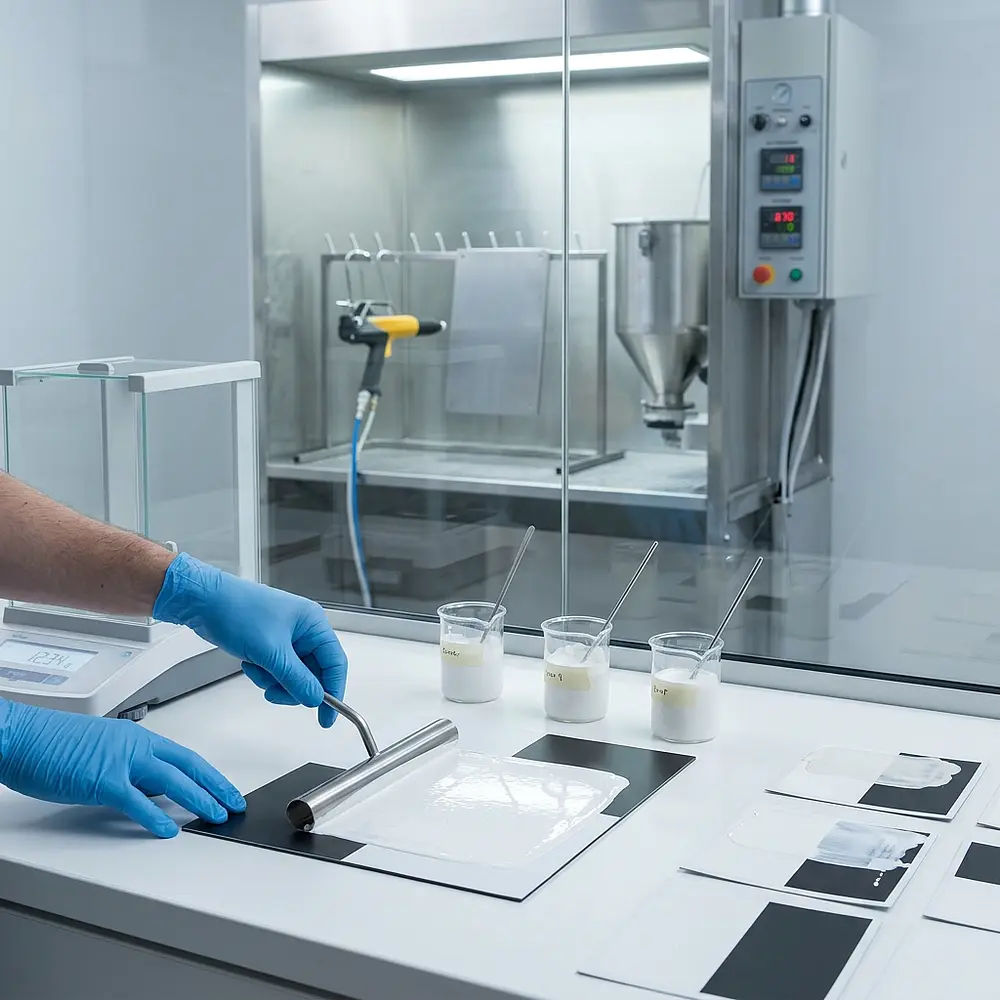
In coatings, selecting the right grade of titanium dioxide pigment follows directly from the performance demands of the specific system — binder type, gloss target, and exposure conditions each narrow the viable ASTM type before a single technical datasheet is opened. Economy flat emulsions leverage extender co-pigmentation above Critical PVC to optimize cost-per-opacity — the full logic is set out in the PVC and opacity section above. The formulation decision that remains after PVC targeting is determining what dry film thickness (DFT) the application requires and whether the pigment grade selected is capable of delivering specified hiding and durability within that film build.
DFT targets differ systematically by coating segment and directly constrain the TiO₂ grade specification. Exterior architectural topcoats are typically applied at 60–80 µm DFT per coat, providing sufficient film volume to carry the heavy inorganic surface treatment of Type IV rutile grades without sacrificing application viscosity; at this film build, chalk-resistance and gloss-retention become the governing selection criteria (→ rutile’s weathering advantage) rather than opacity alone. Industrial liquid lacquers — automotive refinish, protective coatings for metal substrates — operate at 40–60 µm DFT, where the high TiO₂ loading efficiency of Chloride-route Type II or Type IV rutile at 15–25% PVC delivers specified opacity within a thinner film, minimizing material consumption per m². Powder coatings are applied and cured at 60–100 µm DFT; the electrostatic application process demands tightly surface-treated grades with controlled particle size distribution to prevent agglomeration during charging, and the wider DFT window accommodates the PVC range of 20–30% needed to preserve film integrity and gloss through the curing cycle. Surface treatment intensity and binder polarity should always be verified against supplier datasheets through direct hiding-power drawdowns and accelerated weathering panels before full-scale adoption (Gázquez et al., 2014).
Plastics and Masterbatch: Whitening, UV Screening, and Opacity
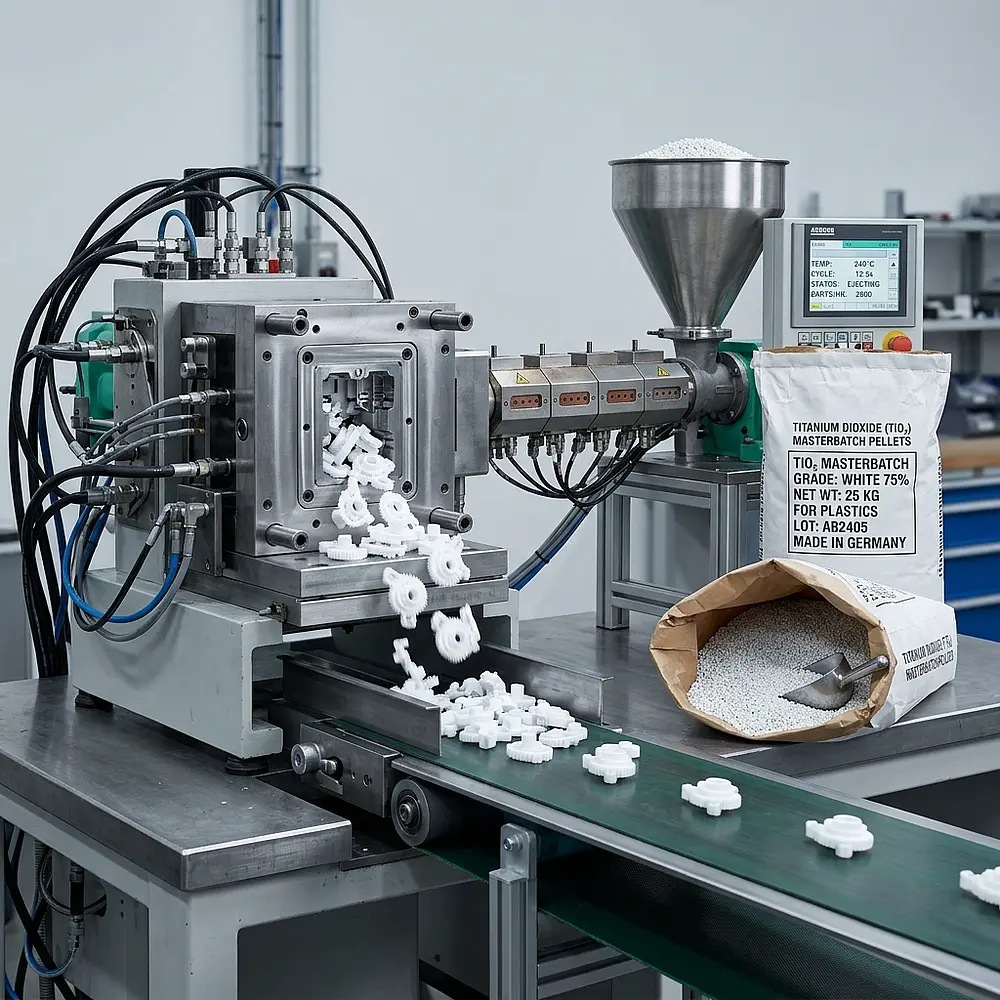
In thermoplastics, thermosets, and masterbatch systems, titanium dioxide pigment functions as the primary whitening and opacifying agent across polyolefins, PVC, engineering plastics, and thin films. Its exceptional performance in these matrices stems from the large refractive-index differential between rutile TiO₂ (~2.7) and typical polymer matrices (~1.49–1.59) — the optical fundamentals behind this Δn advantage are documented in our TiO₂ refractive index data. Achieving that theoretical scattering efficiency in practice depends entirely on thorough dispersion during melt compounding, where the relevant process parameters are screw geometry, residence time, and shear energy profile rather than dissolver tip speed. Insufficient specific mechanical energy input during compounding — typically below 0.2 kWh/kg for polyolefin masterbatch — leaves surface-treated agglomerates intact, collapsing the optimized particle size distribution and producing both opacity loss and visible specks or streaks in the finished part. Surface-treated grades incorporating organosilanes, polyols, or related chemistries are mandatory to ensure wettability by non-polar polymer melts and to prevent re-agglomeration during cooling. Outdoor plastic applications impose an additional constraint: uncoated TiO₂ promotes photocatalytic degradation of the surrounding polymer under UV exposure, making heavily surface-treated, high-rutile pigments non-negotiable for any exterior-grade compound. Masterbatch concentrates, typically containing 50–80% TiO₂ by weight dispersed in a compatible carrier resin, dominate industrial delivery because they enable precise letdown dosing, minimize dust exposure during handling, and ensure the dispersion quality that bulk powder addition rarely guarantees consistently (Gázquez et al., 2014).
Paper: Wet-End Addition and Surface Coating
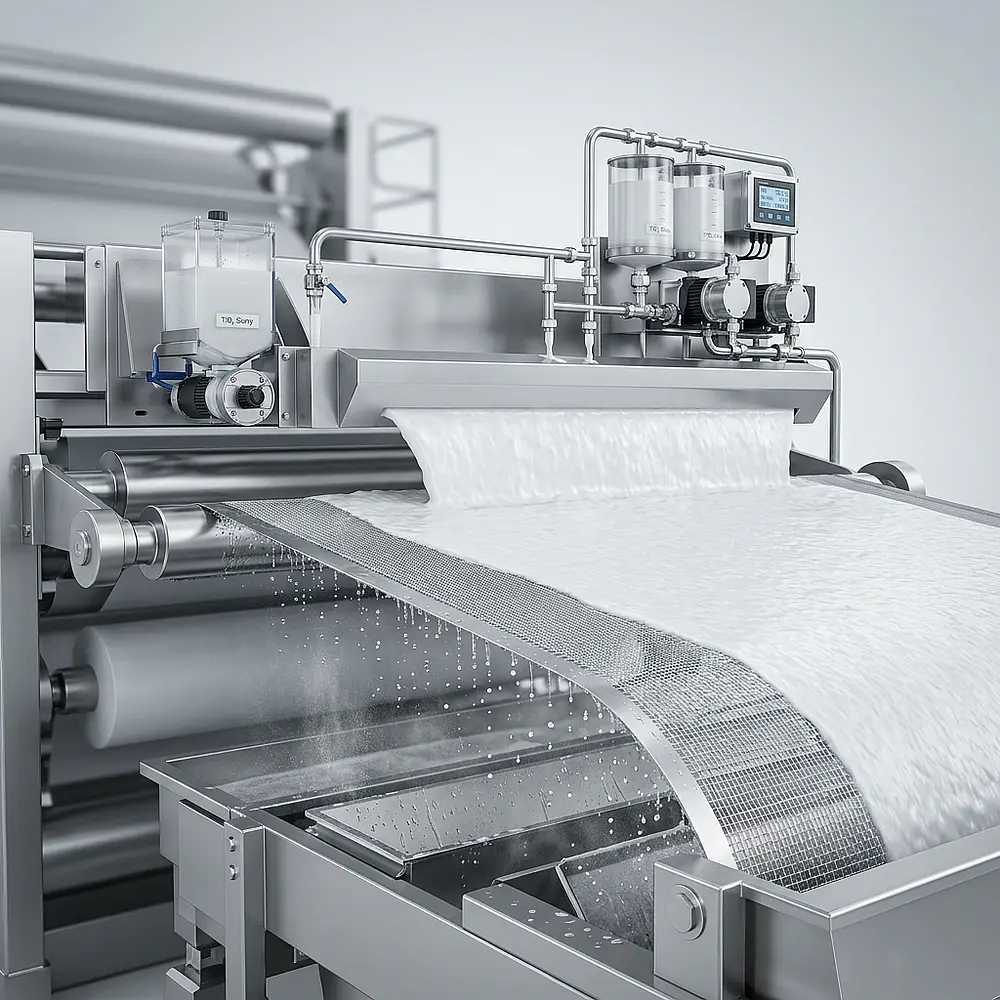
In paper manufacturing, titanium dioxide pigment reaches the finished sheet through two distinct process points, each serving a different performance objective. The first — wet-end addition — involves introducing a TiO₂ slurry directly into the paper pulp before sheet formation on the wire; loadings of up to approximately 6 wt% of the dry furnish are achievable without compromising sheet tensile strength (Gázquez et al., 2014). At these addition levels, TiO₂ delivers opacity and brightness improvements that conventional mineral fillers cannot approach at equivalent dosage: on a volume basis, TiO₂ contributes approximately three to five times the opacity of kaolin clay at the same volumetric loading, a consequence of its exceptionally high refractive index. The second application mode is surface coating, where a TiO₂-containing coating color is applied to the already-formed base sheet. In lightweight coated (LWC) grades, typical coating weights run 8–12 g/m² per side, with TiO₂ contributing roughly 5–15% of coating-color solids by weight depending on the target brightness and printability specification; coated woodfree (CWF) grades at 15–25 g/m² per side may carry TiO₂ at the lower end of this range, relying instead on higher total coat weight and finely ground calcium carbonate co-pigmentation to reach ISO brightness targets above 90. Paper grades predominantly use fine-milled, often anatase-form pigment, prized for its blue-white brilliance preferred in high-quality printing papers, and the pigment is typically supplied as stable aqueous slurries that integrate smoothly into continuous paper-machine coating processes.
Selecting the Right TiO₂ Pigment: A Decision Framework
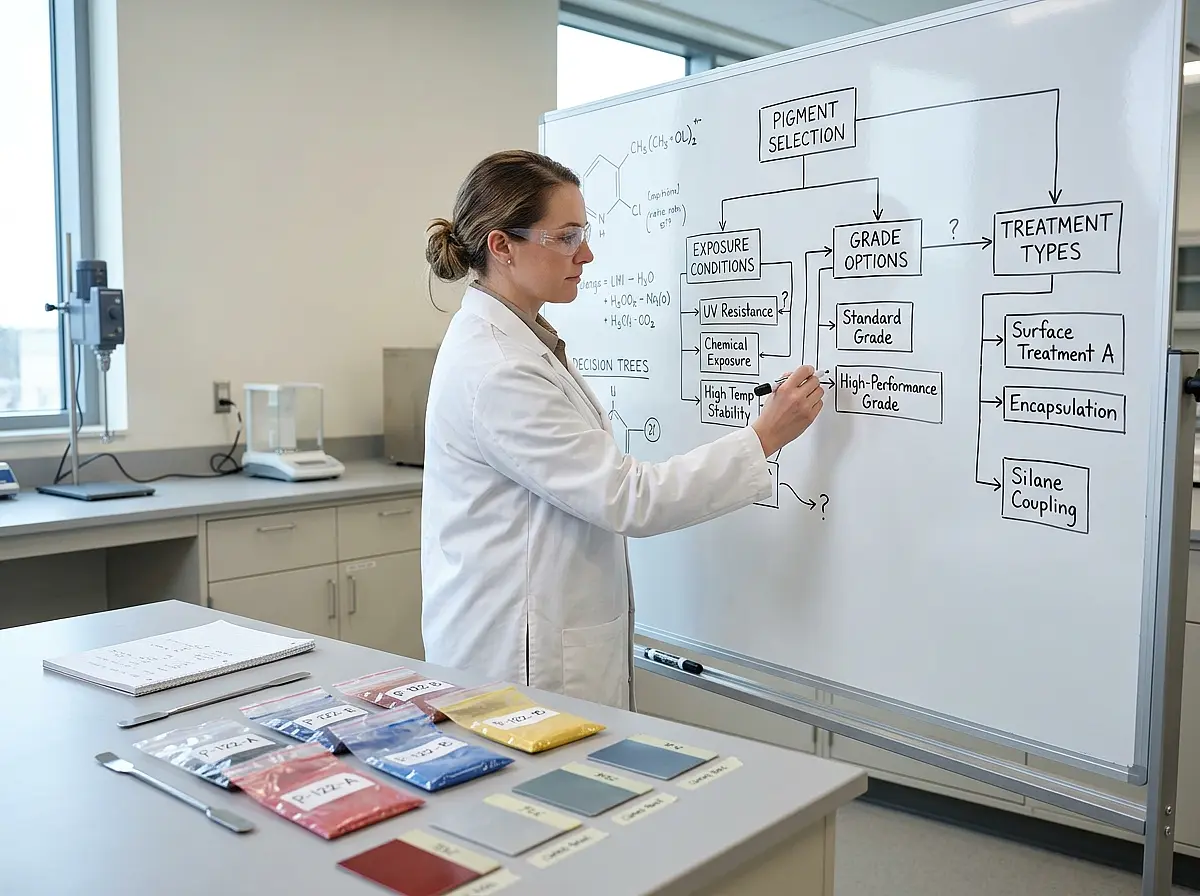
Specifying titanium dioxide pigment for a new formulation involves four decisions in fixed sequence — skipping any step creates specification risk that downstream testing rarely catches early enough. Step 1 is end-use exposure: exterior applications — UV load, moisture cycling, prolonged weathering — favor heavily surface-treated rutile grades from the Chloride process, specified as ASTM Type IV or premium Type II; interior applications can accept anatase Type I where blue-white brilliance outweighs durability, or standard rutile Type II/III where gloss requirements and cost balance determine the choice (Gázquez et al., 2014). Step 2 is binder compatibility: aqueous waterborne systems benefit from inorganic alumina/silica post-treatment that stabilizes surface charge and dispersibility; non-polar polymer matrices in plastics demand organosilane surface chemistry for adequate wetting during melt processing; UV-cure systems require surface chemistry that avoids photoinhibition of the curing reaction. Step 3 is Pigment Volume Concentration targeting: high-gloss systems require lower PVC to preserve per-particle scattering efficiency, while flat and economy paints can exploit extender co-pigmentation at elevated PVC. For PVC targeting methodology and extender selection, see the optical performance section above. Step 4 is laboratory verification through standardized tests: hiding power via Kubelka–Munk opacity measurement, oil absorption per ASTM D281 as a dispersion and PVC-response proxy, particle size distribution by laser diffraction, and accelerated weathering assessed against ASTM D4214 chalking ratings and ASTM D523 gloss retention. Taken together, specifying ASTM type, production route, and surface-treatment intensity is never a single-variable decision — it is a structured optimization of performance against cost across the entire formulation system. Refractive index values, crystal structure data, and polymorph-specific densities underpinning each step are documented in our TiO₂ data overview.
FAQ
What is Pigment Volume Concentration (PVC), and how does it determine the hiding power and optical efficiency of a TiO₂-based coating?
Pigment Volume Concentration (PVC) is the ratio of pigment volume to total dry film volume (pigment plus binder). In TiO₂-based coatings, PVC directly controls hiding power because each TiO₂ particle scatters light most efficiently when surrounded by sufficient binder — maintaining an adequate spacing between particles. At low-to-moderate PVC levels, increasing TiO₂ concentration improves opacity proportionally, as particles operate largely independently. However, as PVC rises toward approximately 30 volume %, inter-particle distances shrink and optical crowding begins: neighboring particles interfere with each other's scattering fields, reducing the hiding power delivered per unit of TiO₂. Formulators therefore target PVC values — typically around 25–40% for interior flat emulsions based on Type I anatase — that maximize scattering efficiency while controlling raw-material cost.
What are the ASTM titanium dioxide pigment types I to IV, and how do they differ in content, crystal form and use?
ASTM standard specifications classify titanium dioxide pigment into four types. **Type I** specifies anatase crystal form and suits applications where its characteristic chalking behavior is acceptable. **Type II** requires a minimum of 92% TiO₂ in rutile form with moderate chalking resistance, covering the broadest range of interior paints and industrial coatings. **Types III and IV** each require a minimum of 80% TiO₂, both in rutile form, but serve distinct roles: Type III targets alkyd- and emulsion-based flat wall paints, while Type IV is engineered for exterior applications demanding superior durability. Japan's parallel JIS K5116-1973 Grade 1 approximates ASTM Type II rutile but specifies a lower minimum TiO₂ content of 88%, reflecting the historically higher tolerance for extender co-grinding in Japanese industrial coatings practice.
Why are synthetic rutile and titanium slag used as feedstocks, and how does ore quality affect the process choice?
Manufacturers use synthetic rutile and titanium slag as intermediate feedstocks primarily because the Chloride Process demands high-TiO₂ feedstock — typically 85–96% TiO₂ — yet relying solely on natural rutile is commercially impractical at scale due to its structural scarcity. Synthetic rutile is produced by selectively removing iron from ilmenite through chemical or thermal treatment. Titanium slag is a smelter by-product with elevated TiO₂ content derived from electric-arc furnace smelting of ilmenite. Ore quality directly governs route selection: lower-grade ilmenite suits the Sulfate Process, while the Chloride Process requires these upgraded feedstocks — making producers and buyers indirectly exposed to synthetic rutile and slag supply dynamics.
Which raw materials feed each production route, and why is ilmenite so dominant at roughly 91 % of titanium mineral supply?
The two industrial routes draw on fundamentally different feedstocks. The **Sulfate Process** uses **ilmenite (FeTiO₃)**, containing roughly 45–65% TiO₂, dissolved in concentrated sulfuric acid. The **Chloride Process** demands high-grade feedstocks — natural rutile (~95–96% TiO₂), synthetic rutile, or titanium slag (~85–95% TiO₂) — reacted with chlorine to form TiCl₄. Ilmenite dominates global supply at approximately **91% of titanium mineral demand**, backed by estimated reserves of around **650 million tonnes**, versus only ~42 million tonnes of natural rutile. This abundance makes ilmenite the practical foundation of the Sulfate route. However, because the Chloride Process requires high-TiO₂ feedstock that natural rutile alone cannot supply at scale, the industry developed **synthetic rutile and titanium slag** as upgraded intermediates — effectively converting abundant ilmenite into Chloride-route-compatible material through iron removal or smelting.
When was the chloride process for TiO₂ pigment production first commercialized, and who pioneered it?
The chloride process for TiO₂ pigment production was first commercialized by DuPont in the early 1950s. This route converts high-TiO₂ feedstocks into titanium tetrachloride (TiCl₄) via reaction with chlorine gas, followed by high-temperature flame oxidation within milliseconds to yield pigment-grade TiO₂. DuPont's commercialization marked a pivotal shift in the industry, moving away from the longer thermal cycles of the sulfate process. Because the flame oxidation step is extremely rapid, particle nucleation and growth are tightly controlled, yielding a narrower particle size distribution than the sulfate route's kiln calcination. Today the chloride route is the dominant production pathway globally.
What are the two industrial manufacturing routes for titanium dioxide pigment, and how do the sulfate process and the chloride process differ?
Titanium dioxide pigment is produced via two distinct industrial routes. In the **Sulfate Process**, ilmenite ore is dissolved in concentrated sulfuric acid, generating a hydrated TiO₂ intermediate that is filtered, purified, and calcined in rotating kilns at 800–1,000 °C over several hours. This extended thermal profile allows polymorph control — producers can steer output toward either anatase or rutile. The process generates substantial acidic iron-sulfate by-products, creating significant waste-treatment obligations. The **Chloride Process** reacts high-grade TiO₂ feedstocks with chlorine to produce TiCl₄, which is then flash-oxidized in a flame reactor at 900–1,000 °C within milliseconds. This yields almost exclusively rutile-form pigment with a tighter particle size distribution and lower oil absorption. Commercialized by DuPont in the early 1950s, the Chloride route today accounts for approximately 60% of global TiO₂ pigment output.
What is titanium dioxide pigment, and why is it considered the world's most important white pigment?
Titanium dioxide pigment (TiO₂, also known as Pigment White 6, CI 77891, or E171) is a white, crystalline powder derived from titanium-bearing ores. It holds its position as the world's most important white pigment because of its exceptionally high refractive index — the highest of any commercially available white pigment — which produces intense light scattering across the entire visible spectrum without meaningful light absorption. This combination delivers outstanding opacity and brightness in coatings, plastics, and paper at relatively low loadings. No alternative white pigment approaches TiO₂'s hiding power-to-volume efficiency, making it the reference standard against which all other white pigments are measured.
How does particle size affect light scattering in TiO₂ pigment, and which diameter gives maximum opacity in visible light?
Light-scattering efficiency in TiO₂ pigment is governed by the relationship between particle diameter and the wavelength of incident light. Maximum scattering occurs when particle size is roughly half the wavelength of the light being scattered. Since the visible spectrum spans approximately 400–700 nm, the optimal particle diameter for maximum opacity falls in the range of **200–300 nm**, with approximately **280 nm** widely cited as the practical optimum. Below this range, particles become too small to scatter visible wavelengths efficiently, reducing hiding power despite higher surface area. Above it, scattering efficiency per unit mass declines as particles enter a regime where they primarily deflect rather than scatter light diffusely. Tightly controlled particle size distribution is therefore as important as mean diameter: a broad distribution means a significant fraction of particles operate outside the optimal scattering window, reducing overall opacity relative to a narrower, well-centred distribution with the same mean diameter.
What TiO₂ loading levels are used in outdoor PVC applications such as siding, and what dual function does the pigment serve beyond whiteness?
In outdoor PVC applications such as vinyl siding, TiO₂ loading levels typically range from **8 to 15 parts per hundred resin (phr)**, with demanding exterior grades often reaching the higher end of this range. Beyond delivering the bright white appearance expected from weathered-resistant siding, TiO₂ pigment in PVC serves a critical **UV-protective function**: it absorbs and scatters ultraviolet radiation that would otherwise attack the PVC polymer backbone, causing yellowing, chalking, and mechanical degradation. This dual role — whiteness combined with UV screening — means the pigment loading in exterior PVC is driven not solely by opacity targets but equally by long-term stabilization requirements for the substrate itself.
Why do TiO₂ grades for plastics need smaller crystals and hydrophobic surface treatment compared with coatings grades?
Plastics processing imposes mechanical and thermal stresses that coatings environments do not. During compounding and extrusion, TiO₂ particles must distribute uniformly within a polymer melt at elevated temperatures, without the aqueous dispersing aids available in waterborne coatings. Smaller crystal sizes improve dispersion homogeneity and reduce the risk of agglomerate survival through high-shear mixing. Hydrophobic surface treatments — commonly organosilane or fatty-acid-based coatings — compatibilize the inherently hydrophilic TiO₂ surface with nonpolar thermoplastic matrices, reducing interfacial tension and improving wetting by the polymer melt. These modifications collectively ensure that optical performance is maintained through the extreme shear and heat cycles typical of injection molding or film extrusion.
How is titanium dioxide pigment incorporated into plastics, and which thermoplastic polymer systems consume the largest volumes?
TiO₂ pigment is incorporated into plastics primarily through **melt compounding**: the pigment is pre-dispersed into a carrier resin — typically a masterbatch containing 50–70 % TiO₂ — and then let down into the base polymer during extrusion, injection molding, or calendering. Masterbatching ensures uniform distribution while minimizing dust exposure and handling losses. The thermoplastic systems consuming the largest TiO₂ volumes are **polyvinyl chloride (PVC)**, **polyolefins (polyethylene and polypropylene)**, and **engineering polymers such as ABS and polystyrene**. PVC is particularly significant, spanning rigid applications like window profiles and siding through to flexible film and cable compounds. Polyethylene film and polypropylene fibers also represent substantial volume segments globally.
How much TiO₂ pigment can be added to paper pulp via wet-end addition without causing a loss of paper strength?
In wet-end addition to paper pulp, TiO₂ pigment loadings must be carefully controlled to avoid compromising sheet strength. Generally, additions up to approximately **10–15% TiO₂ by weight of dry fiber** are considered workable without significant strength loss, though practical loadings are often kept lower — typically in the **5–10% range** — to maintain acceptable tensile and tear properties. Beyond these thresholds, the pigment particles interfere with fiber-to-fiber bonding at the sheet-forming stage, progressively weakening the paper structure. The exact limit depends on pulp furnish composition, retention aid chemistry, and the specific TiO₂ grade used, including its surface treatment and particle size distribution.
How is titanium dioxide pigment used in paper, and how do wet-end addition and surface coating differ?
Titanium dioxide pigment serves two distinct functions in the paper industry: improving opacity and enhancing brightness. In wet-end addition, TiO₂ is incorporated directly into the paper pulp slurry before sheet formation, embedding the pigment within the fiber matrix. Because significant pigment can be lost with drainage water, retention aids are typically required. Surface coating applies TiO₂ — usually alongside binders and other pigments such as kaolin clay — onto the already-formed paper web, concentrating pigment at the surface for superior brightness, smoothness, and printability. The key practical difference is efficiency: surface coating delivers optical performance with lower total pigment consumption, whereas wet-end addition improves cross-sectional opacity throughout the sheet.
Why is untreated TiO₂ rarely used in coatings, and what do inorganic surface coatings such as alumina and silica do?
Raw, untreated TiO₂ is rarely used directly in coating formulations because its unmodified surface exhibits poor dispersibility, high photocatalytic activity, and inadequate compatibility with binder systems — all of which compromise coating performance and durability. Inorganic oxide surface coatings — principally alumina (Al₂O₃) and silica (SiO₂), applied as thin layers during finishing — address these deficiencies in several ways. Alumina coatings improve dispersibility and reduce flocculation tendency by modifying surface charge characteristics. Silica treatments suppress photocatalytic activity, which otherwise degrades the surrounding binder through radical-initiated oxidation, causing chalking. Together, these treatments tailor oil absorption values, weathering resistance, and compatibility with specific binder chemistries, making surface-treated grades the practical standard for finished pigment supplied to coatings, plastics, and paper applications.
Why does exceeding a TiO₂ PVC threshold of around 30 volume % actually reduce hiding power rather than improve it?
When TiO₂ pigment loading exceeds roughly 30 volume % PVC, individual pigment particles begin to crowd each other — a phenomenon known as optical crowding or particle-to-particle interference. At optimal spacing, each particle independently scatters light, maximizing hiding power per unit of pigment. Once particles are packed too closely, their scattering volumes overlap: neighboring particles effectively shield each other, so each additional particle contributes progressively less to opacity. The result is diminishing returns on hiding power despite higher pigment content. This is why formulators treat PVC as an optimization variable rather than simply maximizing TiO₂ loading, balancing scattering efficiency against raw-material cost and film integrity.