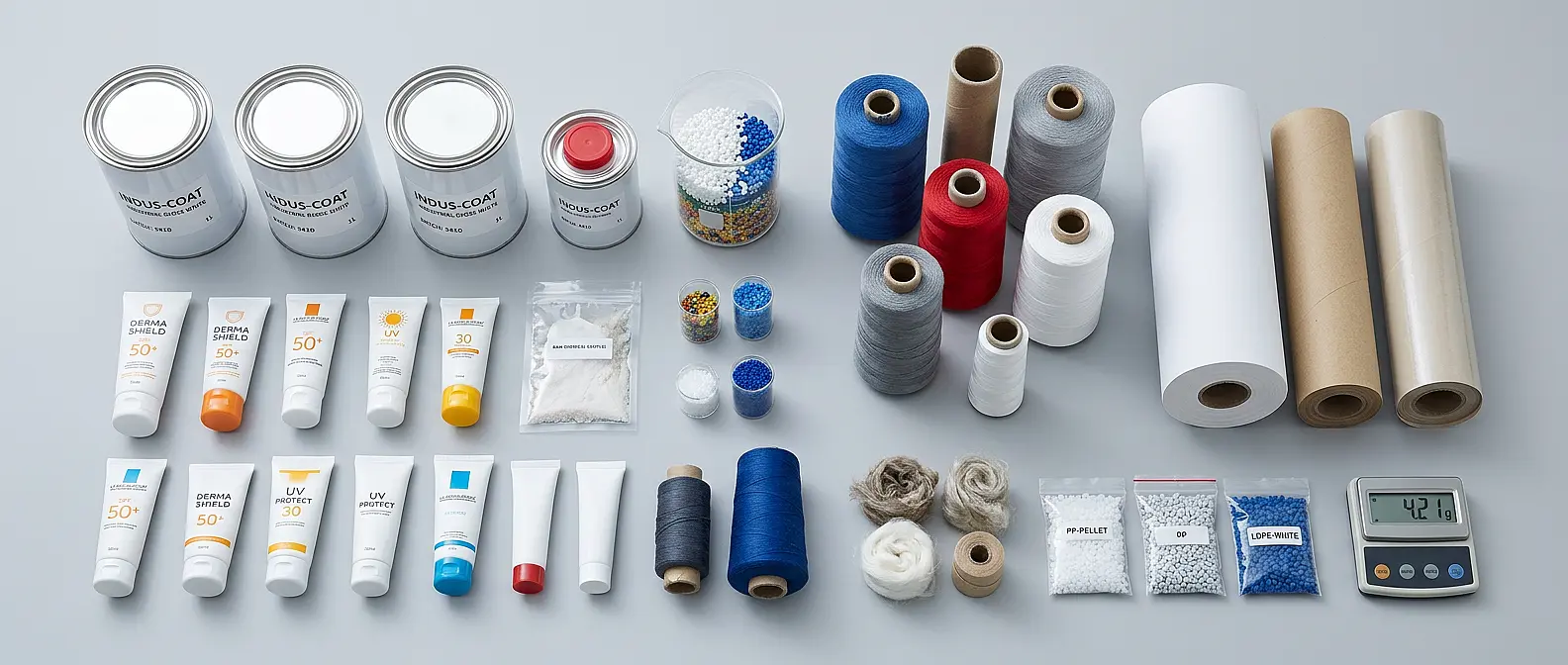
Titanium Dioxide Uses
Every morning, millions of people apply sunscreen, brush their teeth, and get dressed — rarely stopping to think about the single compound quietly at work in all three: titanium dioxide (TiO2). It whitens the coating on your vitamin tablet, gives automotive paint its brilliant opacity, keeps synthetic fibers looking crisp, and is now being investigated as a tool to target cancer cells. Few industrial minerals touch as many corners of modern life as this one.
This page is your central guide to titanium dioxide uses across every major industry. Whether you are a formulation chemist evaluating pigment grades, a product developer sourcing opacifiers for plastics, or simply curious about what TiO2's remarkable refractive index actually means in practice — you will find the full picture here. From the global pigment market worth billions of dollars to frontier research inspired by the landmark Fujishima–Honda discovery of 1972, the applications of this compound are broader — and more surprising — than most people expect.
Read on to discover why titanium dioxide remains irreplaceable across paints, inks, textiles, pharmaceuticals, food, and emerging nanotechnologies.
Market Scale: How Big Is the TiO2 Industry?
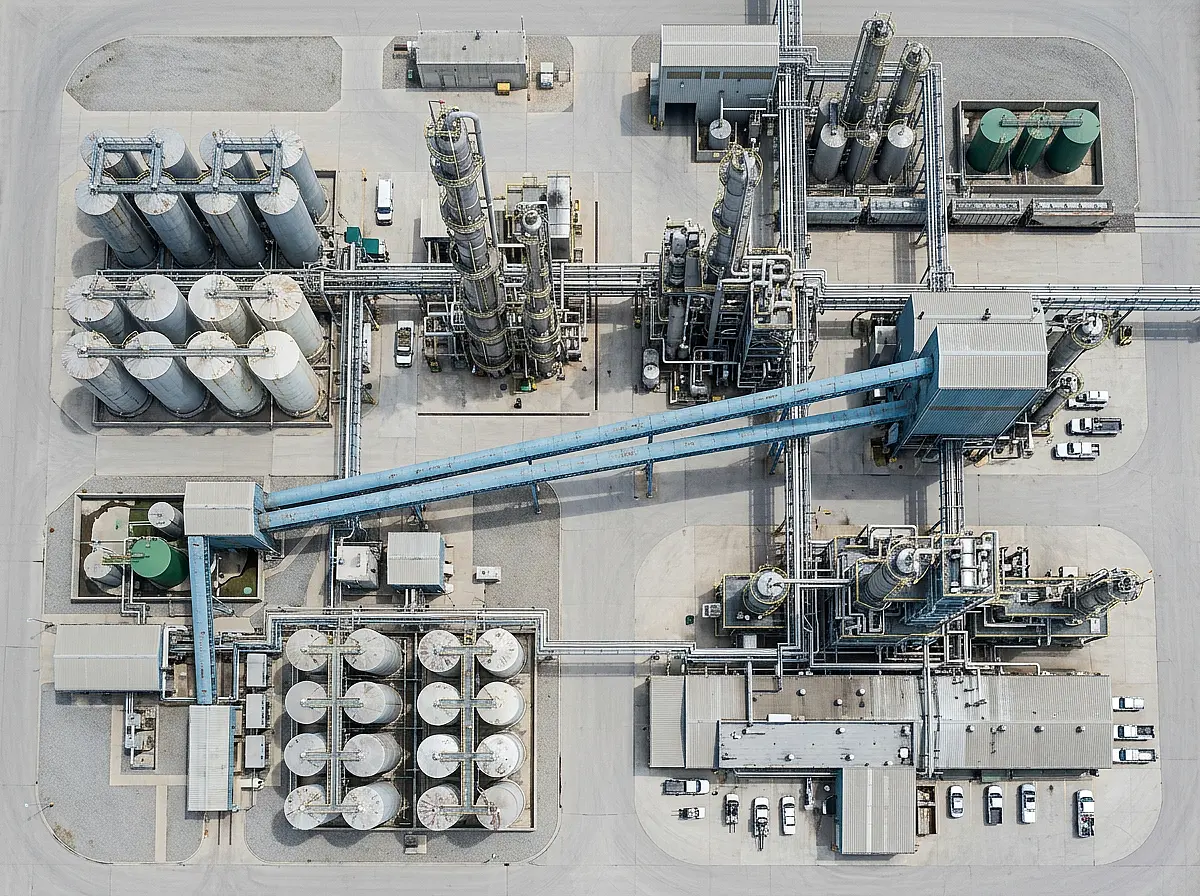
To appreciate the full scope of titanium dioxide uses, it helps to anchor the discussion in real economic scale. According to Gázquez, Bolívar, García-Tenorio, and Vaca (2014, Materials Sciences and Applications 5(7)), global annual TiO2 pigment production stands at approximately 4.5 million tonnes, with roughly 60% of that volume manufactured via the chloride process — for the complete process chemistry and ASTM grade classifications, see titanium dioxide pigment. The most current US-specific picture comes from the USGS Mineral Commodity Summaries 2026: domestic pigment production in 2025 reached approximately 1,000,000 tonnes at a production value of around $3 billion, generated by four companies operating five plants across four states, at an average price of roughly $3,200 per tonne. These figures underscore why understanding titanium dioxide market size and production volume matters: paints, coatings, and plastics collectively account for the overwhelming majority of global demand — a concentration that explains why those sectors receive the greatest technical depth in the sections that follow.
Paints, Coatings & Plastics: The Dominant Application
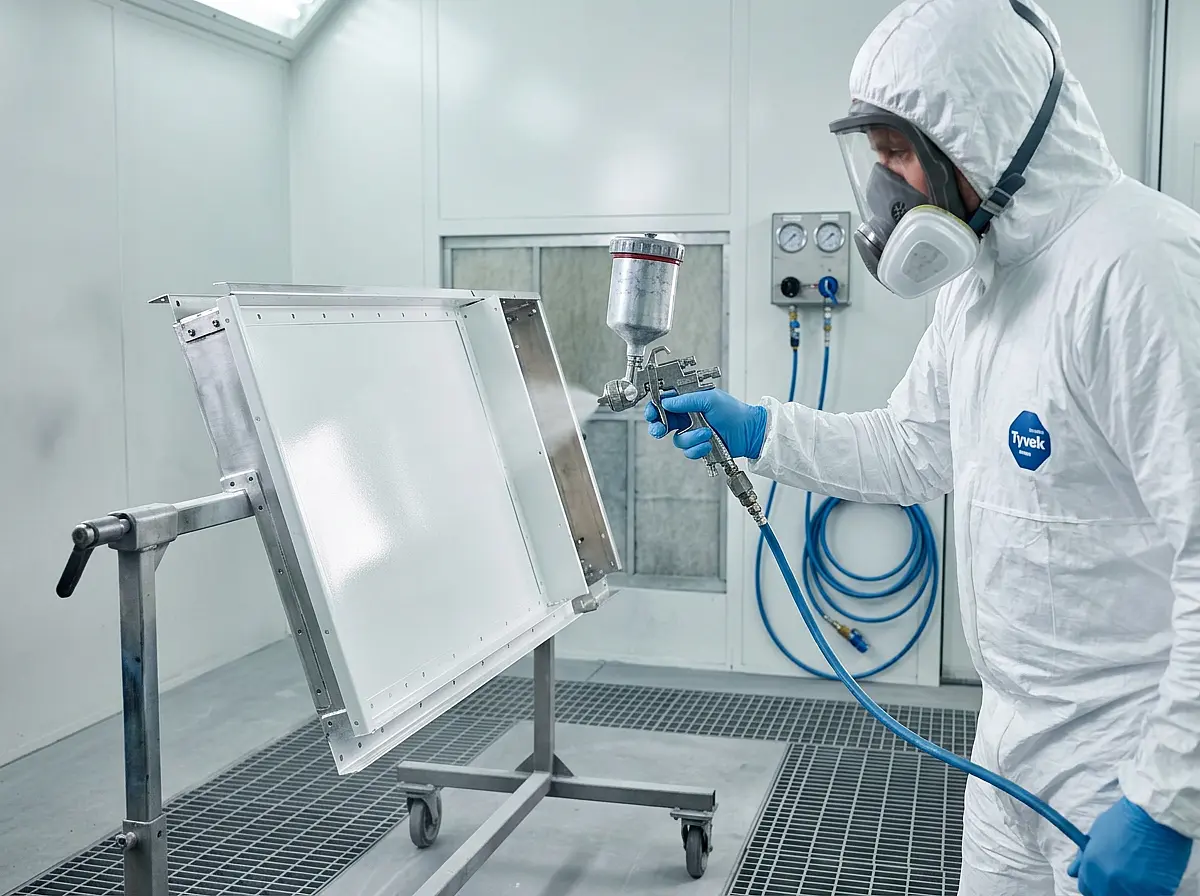
Architectural and industrial coatings, together with plastics, consume well over 60% of all TiO2 produced worldwide each year — making the use of titanium dioxide in paints, coatings, and plastics by far the most economically significant application category in the entire industry. The unifying principle behind this dominance is straightforward: TiO2 particles scatter visible light with exceptional efficiency, which means that even a relatively thin applied layer achieves near-complete opacity regardless of the colour of the underlying substrate. This optical mechanism — explored in detail through the concept of Pigment Volume Concentration (PVC) — is what allows formulators to cover dark or uneven surfaces with a minimum of pigment. The three subsections that follow each examine a distinct technical dimension of this application area: how optical efficiency and formulation decisions govern hiding power in architectural coatings; how demanding industrial and automotive coating systems push TiO2 to its limits in terms of photostability and durability; and why opacification in plastics presents a set of challenges — including TiO2-catalysed yellowing in polyolefins — that are quite separate from those encountered in liquid coating formulations.
Pigment Volume Concentration (PVC) and Optical Efficiency
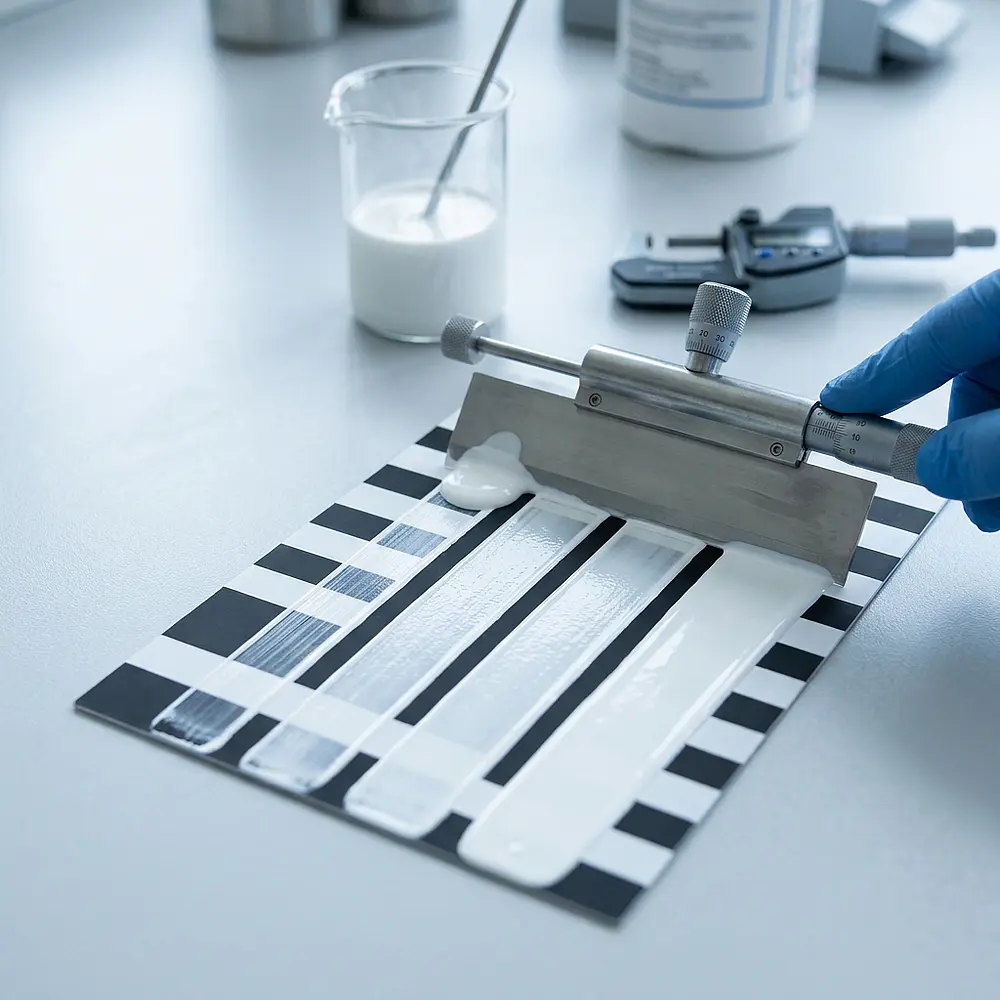
When formulators set out to maximise hiding power in architectural paints, one of the most important variables they control is the ratio of pigment volume to total dry-film volume — a parameter known as Pigment Volume Concentration (PVC). The critical PVC (CPVC) marks the point at which pigment particles begin to crowd one another closely enough that further additions yield no proportional gain in opacity. As Gázquez et al. (2014, Section 4.2.1) explain, loading titanium dioxide beyond the CPVC triggers dependent scattering: neighbouring particles interfere with each other's light-scattering fields, so efficiency per unit of TiO2 falls sharply and additional pigment is essentially wasted. Optimising the PVC around the CPVC therefore balances maximum hiding power against cost and film integrity. A further formulation requirement reinforces the case for precision: premium architectural paints demand a slightly cool, blue-biased white rather than a warm or yellowish tone. Rutile-grade TiO2 with appropriate surface treatment reliably delivers this aesthetic, making it the preferred choice wherever a clean, neutral-to-cool white is specified.
Industrial & Automotive Coatings: Photostability, Corrosion Barrier, and Chip Resistance

Within the broader category of titanium dioxide uses in coatings, automotive original-equipment-manufacturer (OEM) lacquers and heavy industrial finishes impose performance demands that far exceed those of standard architectural paints. Three axes in particular define this premium segment. First, photostability: exterior finishes must resist UV-driven chalking and colour shift across years of weathering, which is why surface-treated rutile grades carrying alumina and silica coatings are effectively the industry standard for durable automotive coatings; the alumina/silica shell curtails photocatalytic activity at the particle surface — the mechanism behind this surface-treatment logic is examined fully in the plastics section below. Second, corrosion protection: within primer/topcoat systems, TiO2 contributes to the barrier functionality that slows ionic transport to the metal substrate. Third, chip resistance: automotive stone-chip performance depends on film cohesion, and pigment loading — by influencing formulation structure and crosslink density — plays a direct role in that cohesion. Together, as Gázquez et al. (2014, Section 4.2.1) document, these requirements steer procurement firmly toward high-quality rutile grades and sophisticated surface treatments, making automotive coatings durability a distinctly value-intensive niche within the global coatings market.
Plastics Opacification and Photocatalytic Yellowing in Polyolefins
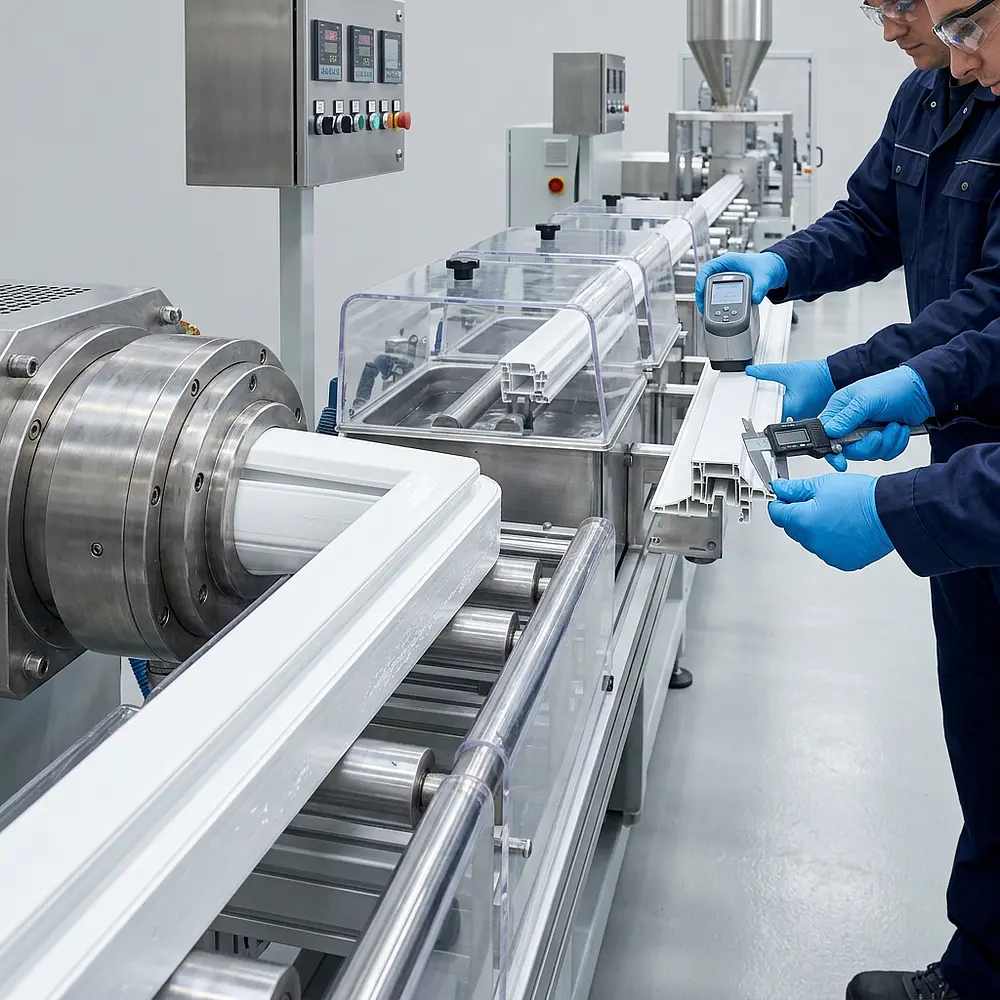
Unfilled polymers are inherently translucent or even fully transparent, making TiO2 the primary tool for creating white opacity across plastics ranging from PVC window profiles and polyolefin packaging films to polypropylene automotive parts and ABS consumer goods. Achieving adequate opacity in these substrates is therefore less a choice than a technical necessity. However, a significant risk unique to this application arises with polyolefins: anatase-grade TiO2 can catalyse the formation of titanium-phenolate complexes with the hindered phenol antioxidants typically present in the resin, causing pronounced yellowing upon UV exposure — a degradation pathway that does not occur in liquid coating formulations. The root cause is the comparatively high photocatalytic activity of the uncoated anatase surface: under UV irradiation, electron-hole pairs form at the TiO2 surface and drive oxidative reactions within the surrounding polymer matrix. Alumina and silica surface coatings suppress this charge-carrier pathway, which is why outdoor plastic applications such as UPVC window frames almost universally specify heavily surface-coated, low-photoreactivity rutile grades — and why the same surface-treatment rationale applies, for analogous reasons, to automotive coatings (see section above) and to synthetic fibers (see section below). For a complete overview of ASTM grade classifications applicable to these rutile and anatase types, see titanium dioxide pigment (Gázquez et al., 2014, Section 4.2.1).
Printing Inks & Paper
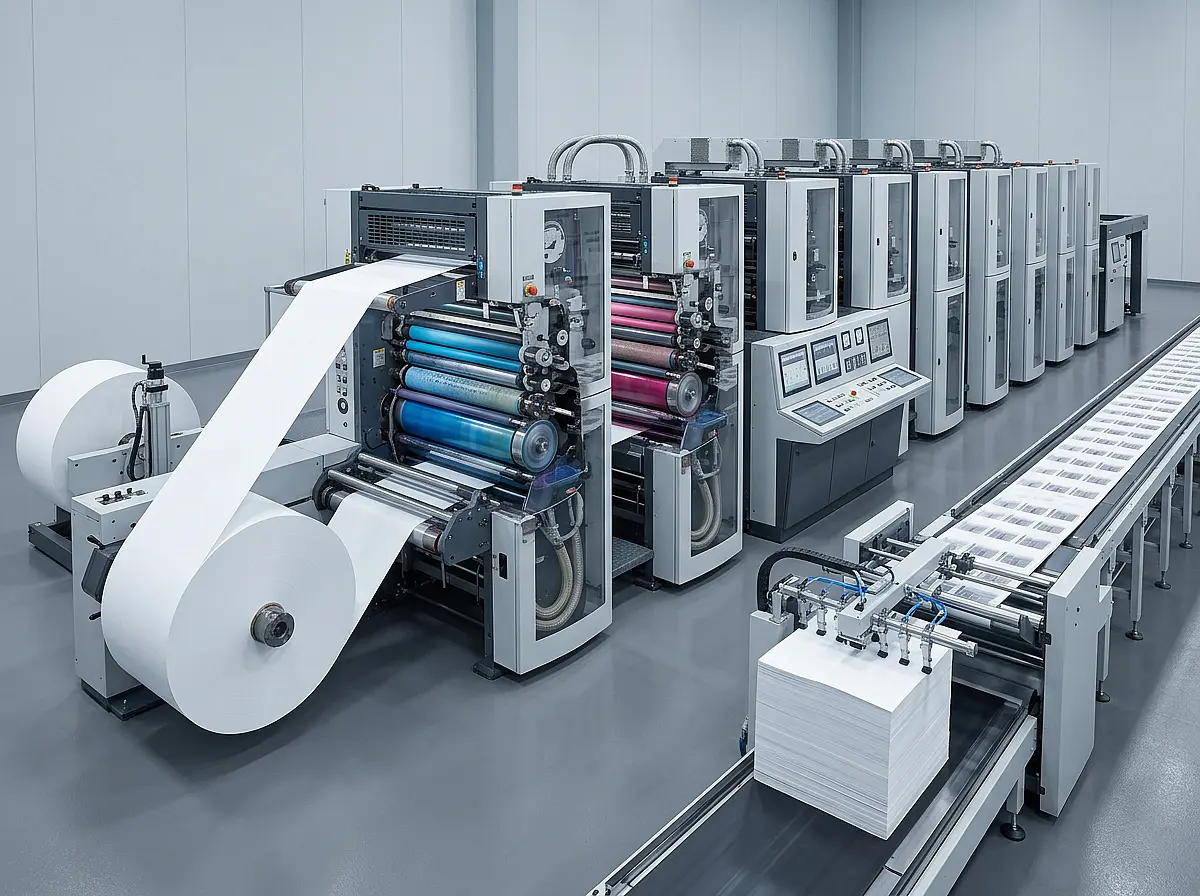
Both printing inks and paper manufacturing depend on titanium dioxide for the same fundamental properties — opacity and brightness — yet the two industries impose strikingly different constraints on particle size, surface chemistry, and process integration. The result is that distinct TiO2 grades are routinely specified for each context rather than a single shared product. In ink formulations, where dried film thicknesses fall well below 100 micrometres, the optics of thin-film light scattering govern pigment selection and rheological performance simultaneously. In paper production, the choice between wet-end addition and surface-coating routes introduces a further layer of complexity, as does the question of which polymorph — rutile or anatase — best serves the intended end-product. The subsections below treat printing inks and paper as the technically distinct topics they are, drawing on Gázquez, Bolívar, García-Tenorio, and Vaca (2014, Materials Sciences and Applications 5(7), Section 4.2.2) as the primary source throughout.
Printing Inks: Fine Particles for Thin Films
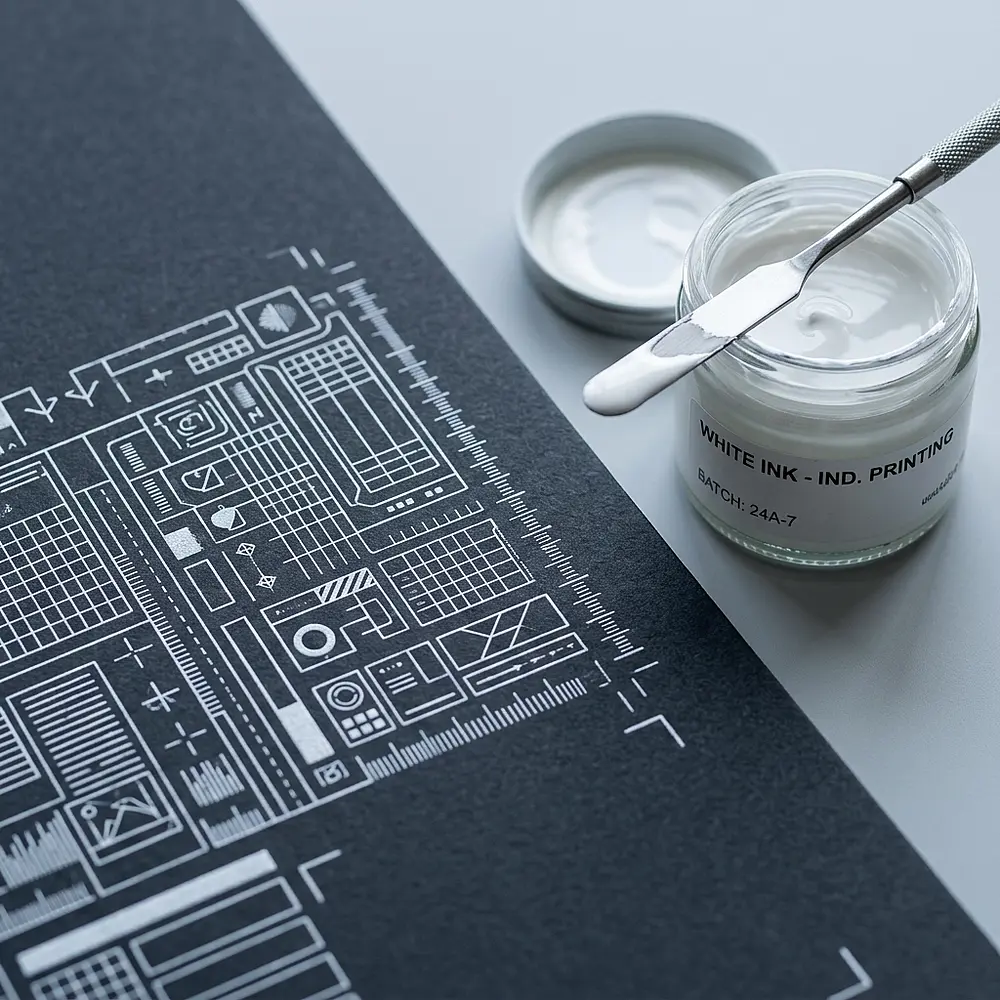
Printing ink films are typically less than 100 micrometres thick — far thinner than a conventional paint film — which means that achieving adequate opacity in the dried layer places far more stringent demands on TiO2 particle size and dispersion quality. As Gázquez et al. (2014, Section 4.2.2) explain, finer particles with higher specific surface area are required so that sufficient light-scattering centres are packed into the narrow dried layer. The practical consequences extend across several product categories: wood-grain printing for furniture panels and laminate flooring, felt-tip and marker pen inks, and the opaque white layer in scratch-card and lottery-ticket inks, where a mechanically removable TiO2-pigmented film conceals printed numbers beneath the surface. Across all these applications, rheological control is a defining challenge distinct from paint systems — ink vehicles must remain low-viscosity under the high shear of printing heads and rollers, so particle-size distribution and surface treatment must be tightly controlled to prevent agglomeration and nozzle clogging. Opacity and rheology are therefore inseparable considerations when selecting TiO2 grades for ink formulations.
Paper Industry: Wet-End Addition vs. Surface Coating
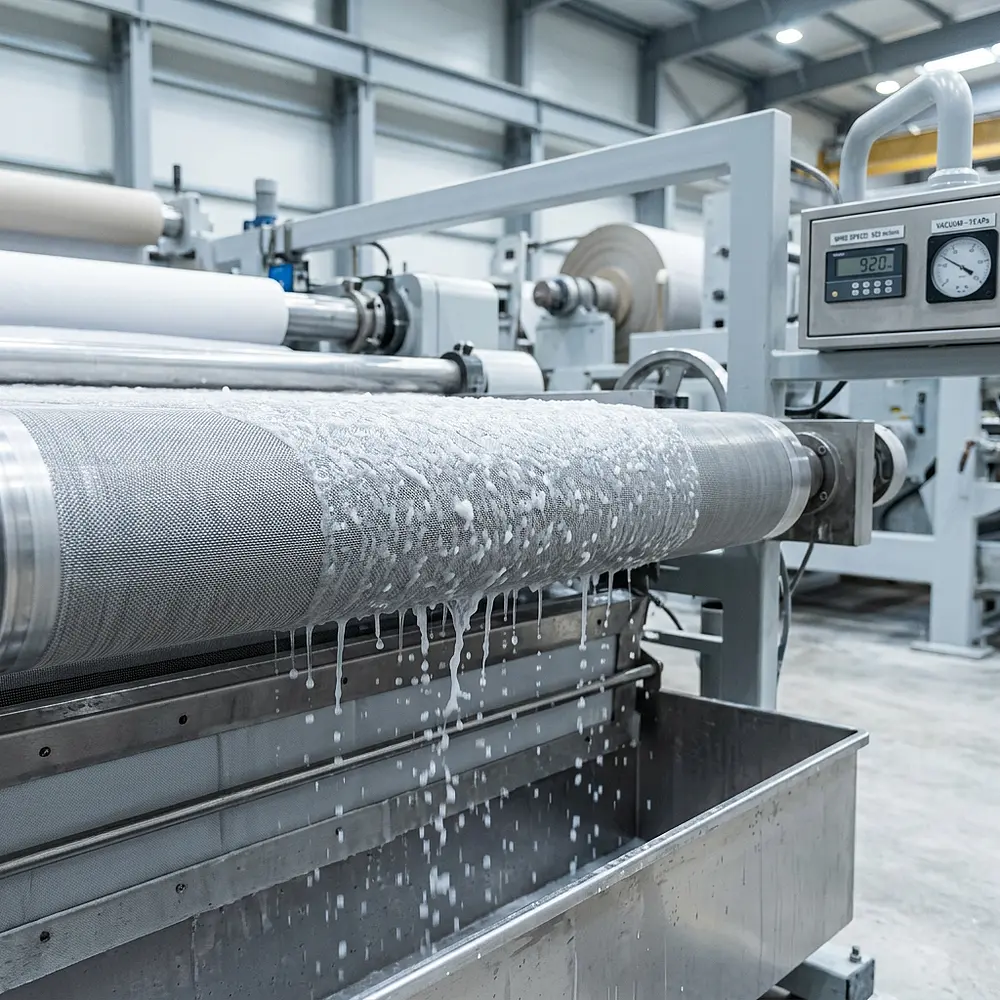
In paper manufacturing, titanium dioxide reaches the finished sheet via two fundamentally different process routes, each with its own grade logic. With wet-end addition, TiO2 is introduced directly into the pulp slurry before sheet formation; according to Gázquez et al. (2014, Section 4.2.2), loadings of up to approximately 6 wt% can be achieved without significant loss of tensile strength, distributing opacity and brightness uniformly through the sheet body. Surface coating, by contrast, applies TiO2 in a coating slip after the sheet has formed. Here, rutile grades are preferred because their higher refractive index delivers superior optical efficiency per unit weight — a decisive advantage when coating raw materials represent a significant cost line. Polymorph selection also follows a clear logic in coated grades: where optical brightening agents (OBAs, also called fluorescent whitening agents) are incorporated, anatase is specified instead of rutile, because anatase is more compatible with OBAs and far less likely to quench their fluorescence.
Food & Confectionery Coloring (E171)
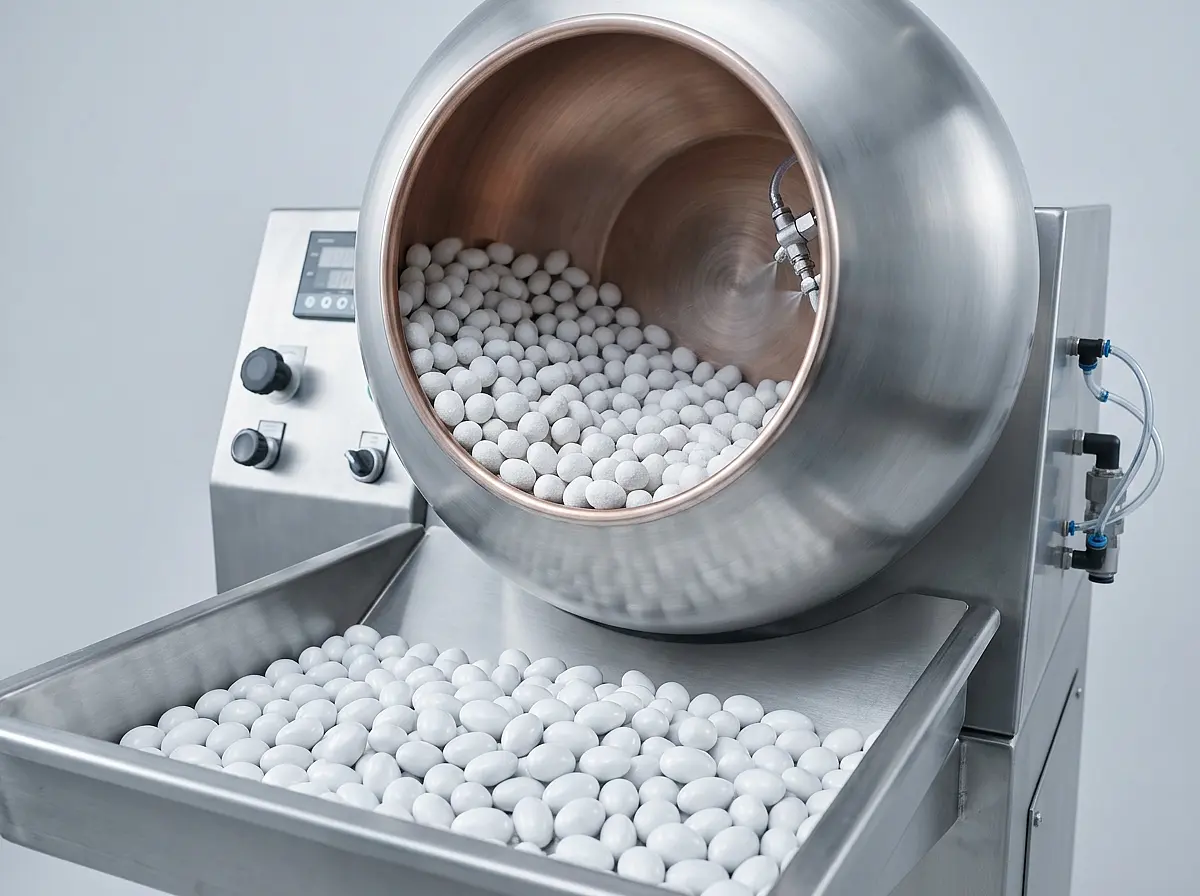
As a food additive designated E171, titanium dioxide functions as a brilliant white colorant and optical brightener across a range of processed foods. Its core technical role is twofold: it creates an intense, stable white in its own right, and it increases the perceived brightness and saturation of other colors used alongside it. Typical applications include sugar-coated confectionery, chewing gum, cake icings and decorations, coated bakery products, and processed cheese. A particularly instructive example is skimmed milk, where TiO2 restores the visual whiteness that is naturally lost when butterfat — itself a light-scattering medium — is removed during processing.
The regulatory landscape for this use has diverged sharply between major markets: following its 2021 safety reassessment, EFSA concluded that E171 could no longer be considered safe, and the European Union introduced a ban that took effect in 2022; the US FDA continues to permit TiO2 as a color additive within established concentration limits. A full comparison of these regulatory positions — including the genotoxicity debate around the nanoparticle fraction and the methodology behind the EFSA assessment — is covered at titanium dioxide in food.
Emerging & Nanotechnology Applications
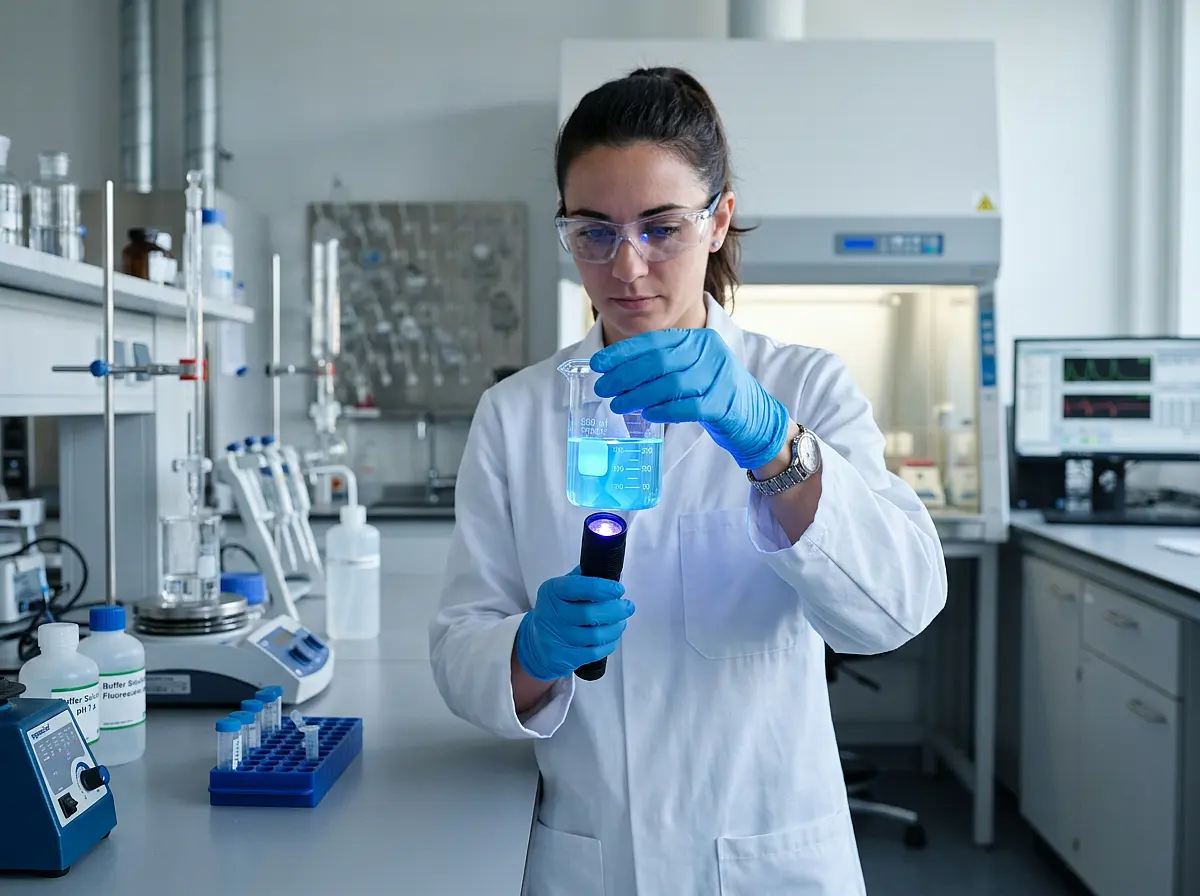
The trajectory of titanium dioxide nanotechnology and its emerging applications traces back to a single landmark experiment: in 1972, Akira Fujishima and Kenichi Honda demonstrated that a TiO2 electrode could split water into hydrogen and oxygen under UV irradiation — an observation now known as the Fujishima-Honda effect. That discovery launched decades of photocatalysis research and remains the conceptual foundation for the niche application domains described here. A dedicated article examining TiO2 photocatalysis mechanisms in depth is planned for future publication; this section focuses on application context rather than mechanistic detail. Three distinct domains have emerged from this research lineage. In energy conversion, dye-sensitized solar cells (DSSCs) exploit nanostructured TiO2 as a high-surface-area electron-transport scaffold, enabling low-cost photovoltaic devices. In environmental engineering, TiO2-based systems are investigated for arsenic removal in water treatment and for self-cleaning cement and concrete surfaces whose photocatalytic activity breaks down organic pollutants on contact. In biomedicine, early-stage research explores whether targeted TiO2 nanoparticles could selectively destroy cancer cells — an application that sits firmly in the experimental phase as of mid-2026 (Gázquez et al., 2014, Section 4.2.6).
Textiles & Synthetic Fibers
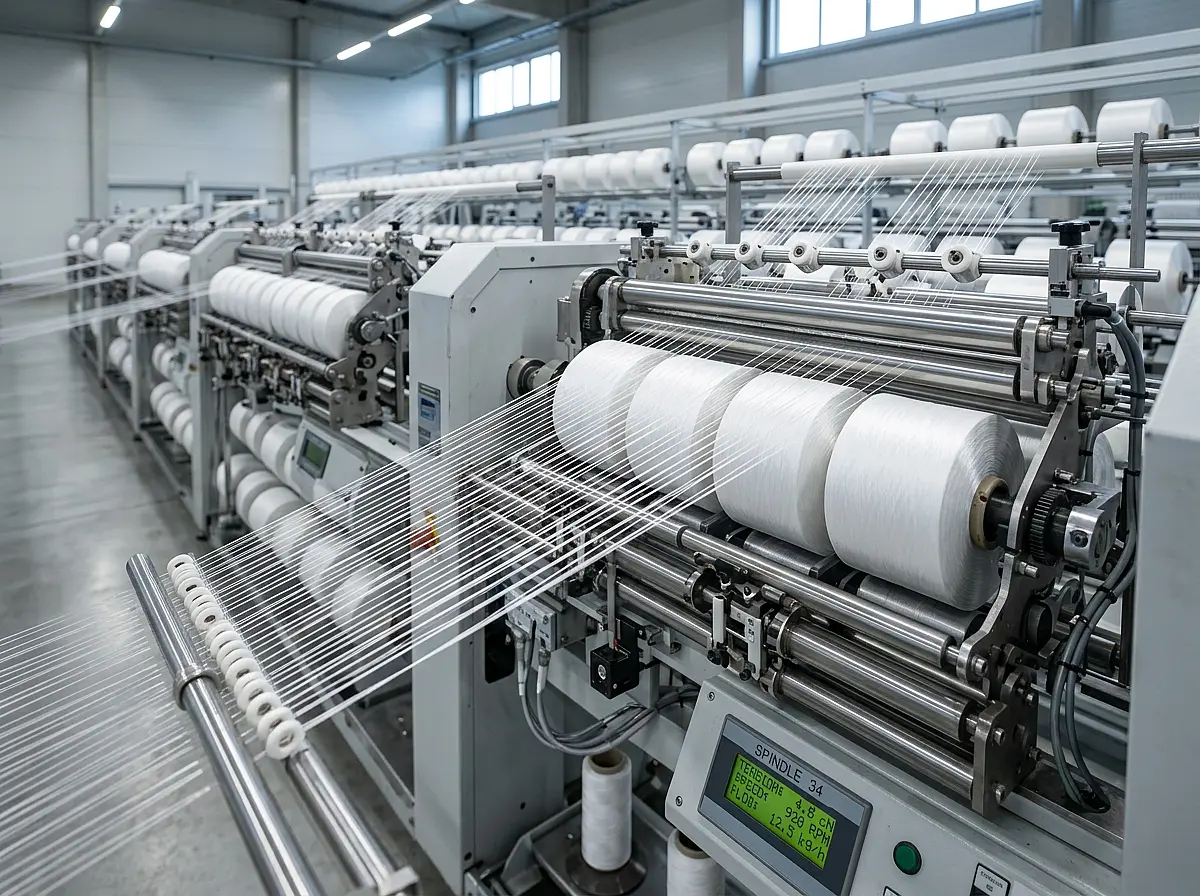
Among the many titanium dioxide uses found across modern manufacturing, the application of TiO2 as a delustering and opacifying agent in synthetic fiber production stands out for the precision with which it is controlled. Synthetic fibers such as polyester (PET), acrylic, and polyamide (nylon) emerge from the spinneret with a smooth, cylindrical cross-section that reflects light specularly — giving them an inherently high-gloss, plastic-like sheen that is often commercially undesirable. To counteract this, TiO2 particles are dispersed into the polymer melt before extrusion; once embedded within the solidified fiber, they scatter light internally, suppressing specular reflection and imparting a softer, more textile-like appearance. The degree of delustering is precisely governed by pigment loading: approximately 0.06 wt% yields a "bright" grade suited to sheer hosiery, around 0.3 wt% produces a "semi-dull" or semi-opaque character for general apparel, and roughly 2 wt% delivers a fully opaque finish used in upholstery and technical textiles. As Gázquez et al. (2014, Section 4.2.4) note, rutile is the preferred polymorph for fiber applications on account of its lower photocatalytic activity — for the full mechanistic explanation of why reduced photocatalytic activity protects the surrounding polymer matrix, see the polyolefin yellowing discussion above.
Pharmaceuticals & Personal Care Products
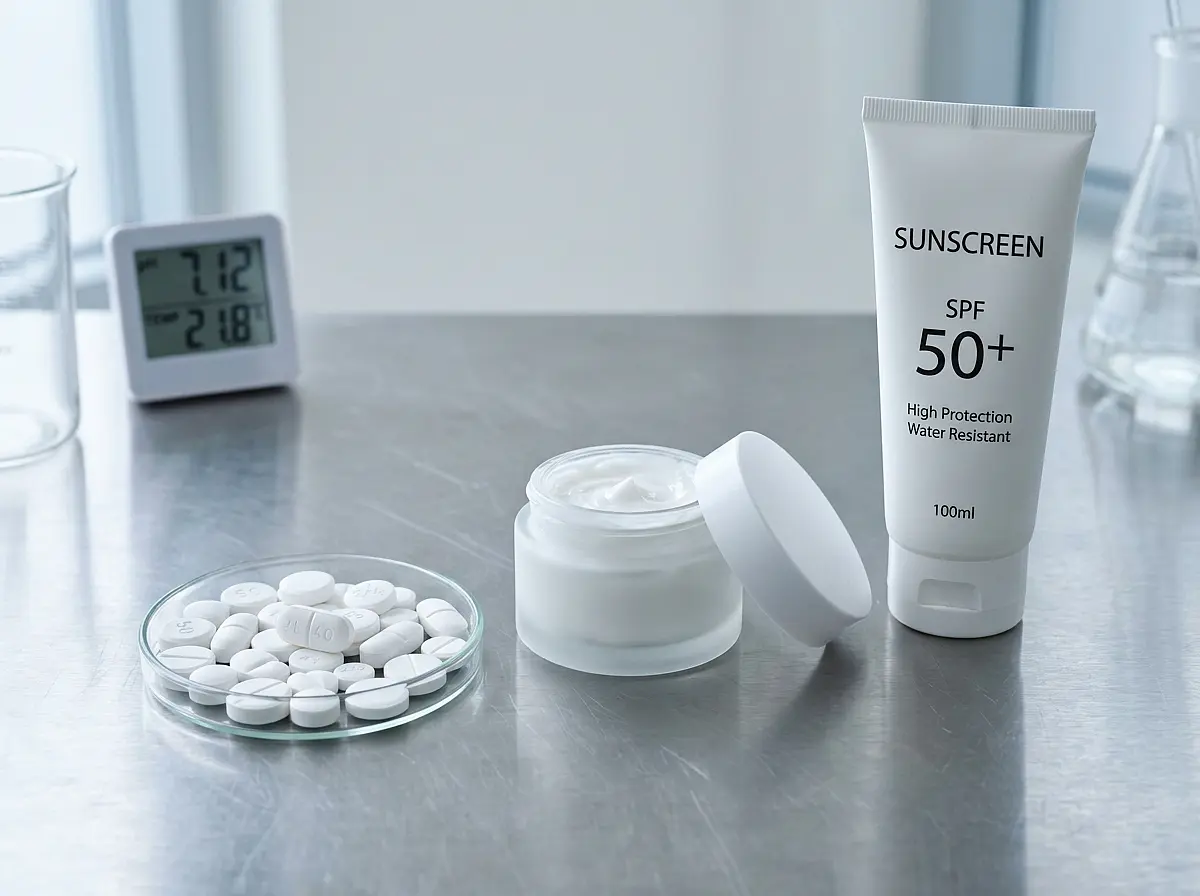
In pharmaceuticals and personal care products, titanium dioxide functions as a chemically inert white pigment and opacifier — stable across a wide pH range, non-reactive with active ingredients, and consistent across manufacturing batches. In solid oral dosage forms, TiO2 is a standard component of film-coat suspensions, where it typically constitutes between 1 and 5 wt% of the ready-to-use coating dispersion; the resulting opaque shell colour-codes different dosage strengths, protects light-sensitive actives, and improves patient acceptability. Both the European Pharmacopoeia (Ph. Eur.) and the United States Pharmacopeia (USP) carry dedicated monographs for titanium dioxide used in pharmaceutical applications, specifying purity thresholds and particle characteristics that govern procurement decisions across the industry.
In personal care formulations such as lotions, creams, and shampoos, TiO2 adds opacity and contributes to the perceived richness and body of the finished product — sensory cues that consumers associate with quality and efficacy. Several product categories within this space have their own dedicated coverage: for the role of TiO2 as a physical UV filter in sunscreen, see titanium dioxide sunscreen; for its use as an opacifier and colorant in soap, toothpaste, and makeup, the respective detail pages address formulation specifics and regulatory context that go beyond the scope of this overview.
Dye-Sensitized Solar Cells (DSSC)
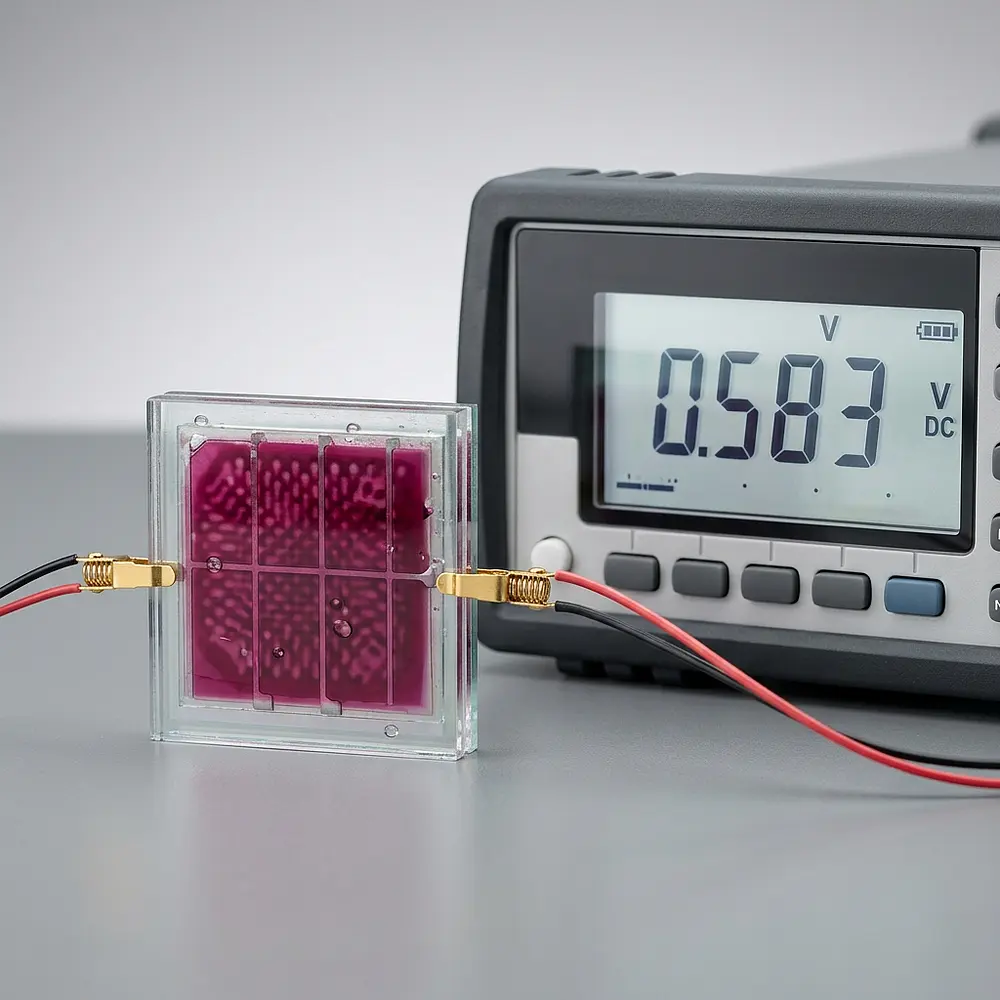
In the domain of energy conversion, nanoporous anatase TiO2 serves as the semiconductor scaffold at the heart of Grätzel-type dye-sensitized solar cells (DSSCs) — one of the most studied emerging applications of titanium dioxide nanotechnology. The sintered nanoparticle layer offers an extraordinarily high specific surface area, typically in the range of 50–200 m²/g, which allows a dense monolayer of light-absorbing dye molecules to be anchored across the electrode at sufficient coverage to capture a significant fraction of the solar spectrum. Upon photoexcitation, electrons inject from the dye into the TiO2 conduction band and are collected at a transparent conducting electrode. The appeal of this TiO2-based cell technology lies in its economics: compared with silicon photovoltaics, Grätzel-type cells offer a lower-cost manufacturing route, positioning them as a practical alternative for building-integrated and indoor or low-light scenarios where conventional silicon panels deliver reduced efficiency or prove cost-prohibitive (Gázquez et al., 2014, Section 4.2.6).
Water Treatment and Self-Cleaning Construction Materials
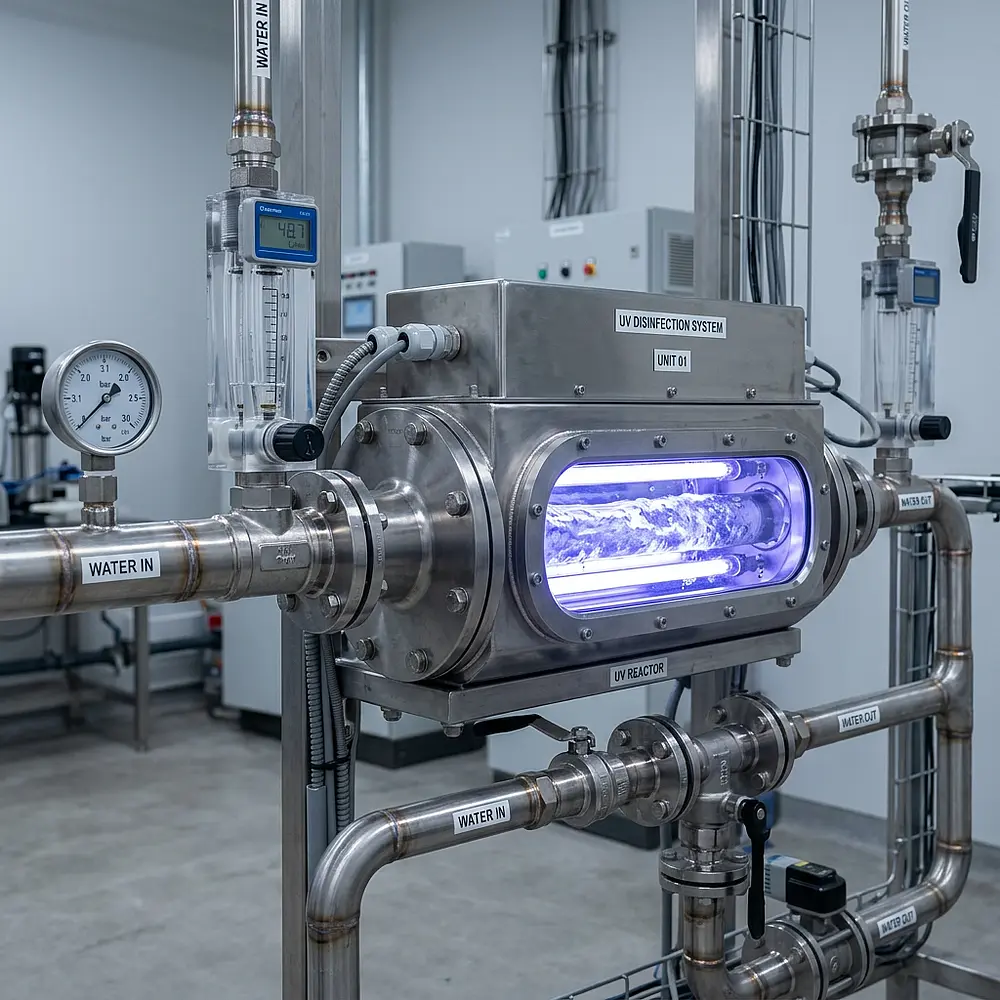
Under UV illumination, TiO2 nanoparticles generate reactive oxygen species — primarily hydroxyl radicals — that oxidise and destroy dissolved organic pollutants, pharmaceuticals, and waterborne pathogens. A particularly well-documented example of this photocatalytic activity is arsenic removal: photocatalytic oxidation converts soluble As(III) into insoluble As(V), enabling its precipitation and filtration from contaminated drinking water supplies. The same radical mechanism underpins self-cleaning construction materials: TiO2-containing photocatalytic cements and concretes decompose organic surface grime and nitrogen oxide (NOx) air pollutants on UV-illuminated facades, keeping building exteriors white and contributing to urban air quality improvement. Although both applications rely on identical radical chemistry, they serve entirely distinct end markets — municipal water infrastructure on one side, the construction sector on the other (Gázquez et al., 2014, Section 4.2.6).
Biomedical Research: Targeted Cancer Therapy
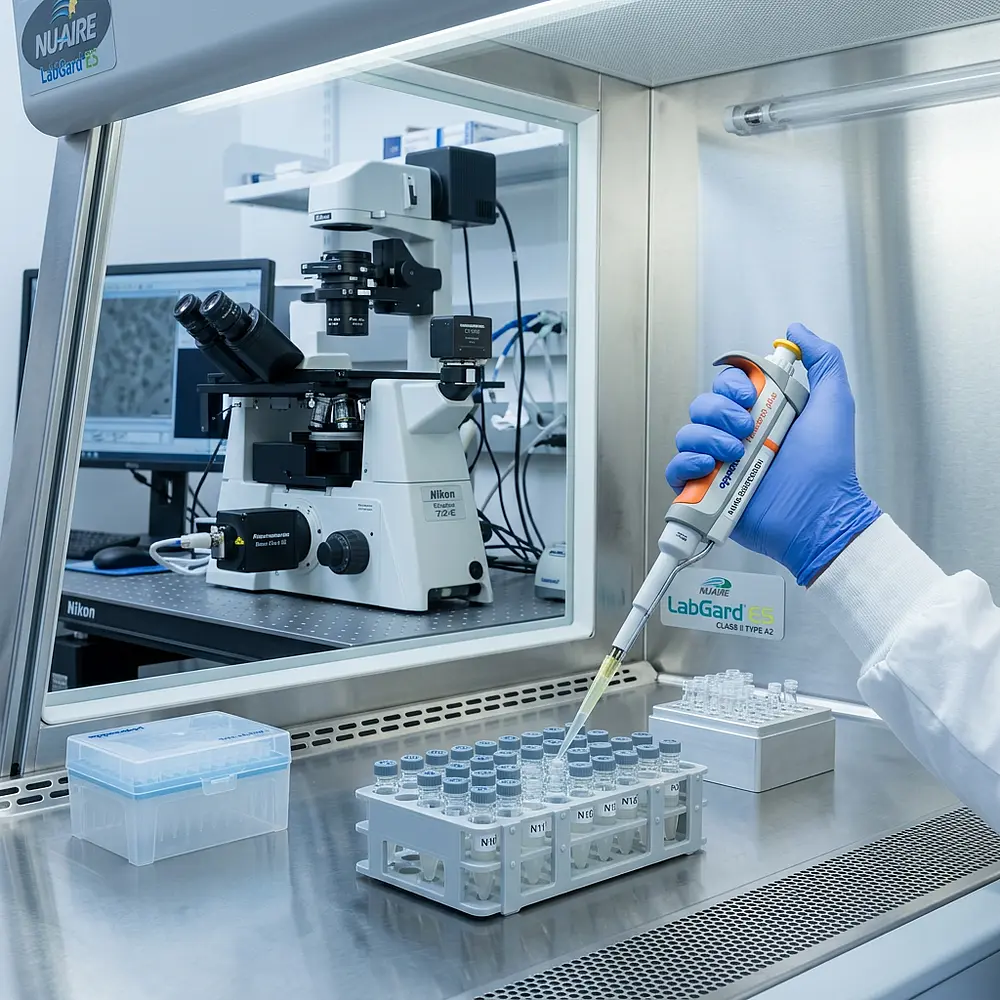
Among the most scientifically ambitious frontiers in titanium dioxide nanotechnology is the investigation of functionalised TiO2 nanoparticles as agents for targeted cancer therapy. Early-stage preclinical research — described by Gázquez et al. (2014, Section 4.2.6) and remaining firmly in the experimental phase as of mid-2026 — typically employs particles in the 10–25 nm size range, a scale at which surface-to-volume ratios are sufficiently high to enable dense ligand functionalisation for tumour-targeting. Surface engineering allows these particles to preferentially accumulate within tumour tissue rather than distributing uniformly throughout the body. Once localised, external activation — primarily at UV-A wavelengths around 365 nm, or via X-ray irradiation in newer approaches designed to overcome tissue-depth limitations of UV light — triggers the same radical chemistry described in the water treatment section above, selectively damaging malignant cells while minimising collateral injury to surrounding healthy tissue. This selectivity through localisation is what distinguishes the concept from generalised photocatalytic applications: the targeting mechanism, rather than the radical chemistry itself, is the defining scientific challenge. No TiO2-based cancer treatment has received clinical approval.
FAQ
How does titanium dioxide control the "shine" or luster of synthetic textile fibers such as polyester and polyamide, and what TiO2 loading levels corr
Titanium dioxide controls fiber luster by scattering light within the filament. During melt spinning, finely milled TiO2 particles are blended into the polymer melt; their light-scattering action disrupts the mirror-like reflection characteristic of an unmodified, highly transparent synthetic fiber, replacing specular gloss with a diffuse, matte appearance. The three standard commercial grades correspond to distinct TiO2 loading levels: - **Bright (lustrous):** approximately 0.06 wt% TiO2 — the fiber retains a high degree of its natural gloss, suited to sheer hosiery. - **Semi-dull:** approximately 0.3 wt% TiO2 — gloss is noticeably reduced while some sheen remains, used for general apparel. - **Full-dull (matt):** approximately 2 wt% TiO2 — light scattering is sufficient to deliver a fully opaque finish, used in upholstery and technical textiles. Surface-coated, low-photoreactivity rutile grades are preferred for this application, as uncoated anatase would catalyze oxidative degradation of the polymer matrix under UV exposure.
What is the difference between wet-end addition and paper coating as methods of incorporating titanium dioxide into paper, and which grade — rutile or
Wet-end addition and surface coating are two distinct process routes for incorporating TiO2 into paper. In wet-end addition, TiO2 is blended directly into the pulp slurry before sheet formation; loadings of up to approximately 6 wt% can be achieved without significant tensile strength loss, distributing opacity and brightness uniformly through the sheet body. Surface coating, by contrast, applies TiO2 in a coating slip after sheet formation. For coated board, **rutile grades** are preferred over anatase. Their higher refractive index delivers superior optical efficiency per unit weight — a decisive cost advantage when coating materials represent a significant expense. One exception applies: where optical brightening agents (OBAs) are incorporated, anatase is specified instead, as it is more compatible with OBAs and less likely to quench their fluorescence.
Why do printing inks require finer TiO2 particle sizes than coatings, and what role does titanium dioxide play in specialty applications such as wood-
Printing inks demand finer TiO2 particle sizes than coatings because ink films dry to less than 100 micrometres — far thinner than typical paint films. To achieve adequate opacity within that narrow layer, more light-scattering centres must be packed into a smaller volume, which requires higher specific surface area and tighter particle-size distribution. Coarser pigment grades simply cannot deliver sufficient scattering efficiency at such film thicknesses. This fine-particle requirement drives several specialty applications. In wood-grain printing for furniture panels and laminate flooring, TiO2 provides the opaque white base onto which decorative patterns are printed. Felt-tip and marker-pen inks rely on TiO2 for consistent, bright opacity on varied substrates. In scratch-off lottery tickets, a TiO2-pigmented coating forms the mechanically removable opaque layer concealing printed numbers beneath. Across all these uses, rheological control is equally critical: ink vehicles must sta
How does titanium dioxide catalyze yellowing in polyolefins through titanium-phenolate complexes, and how can formulators mitigate this effect?
Titanium dioxide — particularly **anatase grades** — can catalyze yellowing in polyolefins through a photochemical mechanism: UV irradiation generates electron-hole pairs at the TiO2 surface, driving oxidative reactions within the polymer matrix. These reactive species interact with **hindered phenol antioxidants** present in the resin, forming titanium-phenolate complexes that cause pronounced discoloration upon UV exposure. To mitigate this effect, formulators specify **heavily surface-coated, low-photoreactivity rutile grades** instead of anatase. Alumina and silica surface coatings suppress the charge-carrier pathway at the particle surface, effectively blocking the oxidative reactions responsible for yellowing. This is why outdoor polyolefin applications — such as UPVC window profiles — almost universally require surface-treated rutile TiO2 rather than uncoated anatase.
Why does unpigmented plastic appear translucent, and how does titanium dioxide opacify plastics without significantly increasing wall thickness?
Unpigmented polymers appear translucent because their molecular structure lacks internal boundaries that efficiently scatter visible light — photons pass through largely unimpeded. Titanium dioxide solves this by introducing discrete particles with an exceptionally high refractive index into the polymer matrix. At each particle-to-polymer interface, light is scattered rather than transmitted, and because TiO2 scatters so efficiently, even modest loading levels create sufficient scattering centres to achieve near-complete opacity throughout the bulk of the material. This optical efficiency means formulators can opacify thin-walled plastic parts — packaging films, PVC profiles, polypropylene components — without meaningfully increasing wall thickness. The pigment delivers hiding power volumetrically rather than geometrically: opacity arises from light-scattering density within the existing wall, not from adding material to it.
What specific performance requirements — such as photostability, corrosion resistance, and chip resistance — make automotive coatings one of the most
Automotive coatings represent one of the most technically demanding applications for titanium dioxide precisely because performance requirements converge across three distinct axes simultaneously. Photostability is the first critical requirement: exterior OEM finishes must resist UV-driven chalking and color shift over years of weathering. Surface-treated rutile grades carrying alumina and silica shells address this by curtailing photocatalytic activity at the particle surface. Corrosion resistance constitutes the second axis: within primer/topcoat systems, TiO2 contributes to barrier functionality that slows ionic transport toward the metal substrate. Chip resistance forms the third requirement: stone-chip performance depends on film cohesion, and pigment loading directly influences formulation structure and crosslink density — and therefore that cohesion. Together, these three demands steer procurement firmly toward high-quality rutile grades with sophisticated surface treatments.
Why is titanium dioxide the dominant white pigment in paints and coatings, and how much of global TiO2 production does this sector consume?
Titanium dioxide dominates the white pigment market in paints and coatings because of its exceptional ability to scatter visible light — even a relatively thin applied layer achieves near-complete opacity over dark or uneven substrates. No competing white pigment matches this optical efficiency at practical film thicknesses. The key performance driver is its extraordinarily high refractive index, which maximizes hiding power per unit of pigment used. Within coatings specifically, rutile-grade TiO2 — chosen for its durability, UV stability, and cool blue-white tone — is the standard across both architectural and demanding automotive applications. Architectural and industrial coatings together represent the largest single end-use segment within the broader TiO2 market.
What are the most important industrial uses of titanium dioxide (TiO2) worldwide?
Titanium dioxide (TiO2) is one of the most widely used industrial minerals on earth, with global annual pigment production at approximately 4.5 million tonnes. Its dominance stems from a single extraordinary property: exceptionally efficient light scattering that delivers brilliant white opacity even in thin applied layers. The largest application by far is **paints, coatings, and plastics**, which collectively consume well over 60% of global TiO2 output. Beyond this core, TiO2 serves as an opacifier and brightness agent in **printing inks** and **paper**, a delusterant in **synthetic textile fibers**, and a whitening agent in **pharmaceuticals and personal care products**. In **sunscreens**, it functions as a physical UV filter. Emerging applications include **photocatalytic self-cleaning surfaces**, **wastewater treatment**, and **cancer research**.
Across all its application fields combined, what single property of titanium dioxide — its extraordinarily high refractive index — makes it irreplacea
Titanium dioxide's extraordinarily high refractive index — approximately 2.55–2.70 for rutile — is the single property that makes it irreplaceable across all its application fields. Whether scattering visible light in paints, opacifying plastics, whitening paper coatings, or providing UV protection in sunscreens, every function ultimately traces back to this exceptional ability to interact with light far more powerfully than any competing white material. The closest alternatives are lithopone (a barium sulfate/zinc sulfide co-precipitate), zinc oxide, and zinc sulfide — all of which carry refractive indices significantly below rutile TiO2's. No currently available alternative white pigment combines TiO2's refractive index, chemical inertness, and processing versatility at comparable commercial scale, which explains why decades of research into substitutes have not displaced it from any major application.
What is the difference between pigment-grade and ultrafine (nano) titanium dioxide, and which application fields specifically require the nano form?
Pigment-grade TiO2 has a median particle size of around 200–300 nm, optimized to maximize light scattering and deliver maximum white opacity. Ultrafine (nano) TiO2, by contrast, uses particles typically below 100 nm — small enough to become largely transparent to visible light while retaining strong UV absorption. This transparency-with-UV-protection combination is precisely what makes the nano form indispensable in sunscreen formulations (where a white, pasty appearance is unacceptable), UV-protective coatings on glass and textiles, photocatalytic self-cleaning surfaces, photoanodes in dye-sensitized solar cells, and photocatalytic water treatment. Nano TiO2 also exhibits markedly higher photocatalytic activity per unit mass than pigment-grade material, owing to its far greater surface-area-to-volume ratio — a decisive advantage in environmental remediation contexts.
What role does titanium dioxide play in current cancer treatment research, and what mechanisms are being investigated for targeted tumor destruction?
Titanium dioxide is increasingly investigated as a cancer treatment tool, primarily through photodynamic therapy (PDT). As a photocatalytic semiconductor, TiO2 generates reactive oxygen species (ROS) — including hydroxyl radicals and superoxide anions — upon UV or near-UV light activation. These ROS destroy tumor cells by inducing oxidative damage to cellular membranes, DNA, and proteins. Key research directions include surface-functionalized TiO2 nanoparticles engineered to accumulate selectively in tumor tissue, localized light activation for photocatalytic tumor ablation, and combination approaches pairing TiO2 with other therapeutic agents. A practical challenge is that UV light penetrates tissue poorly, driving research into visible-light-responsive TiO2 formulations and fiber-optic delivery systems for internal tumor sites.
How does photocatalytic titanium dioxide enable self-cleaning surfaces in cement and concrete, and what are the practical construction applications of
Photocatalytic titanium dioxide — primarily in its anatase form — generates reactive oxygen species (ROS) when exposed to UV light, breaking down organic pollutants, nitrogen oxides (NOx), and microbial matter deposited on surfaces. In cement and concrete, TiO2 is incorporated directly into the cementitious matrix or applied as a surface coating, enabling the material itself to oxidize and mineralize dirt, bacteria, and air pollutants upon sunlight exposure. Practical construction applications include self-cleaning concrete façades, paving stones that reduce urban NOx concentrations, and photocatalytic mortars used in tunnels and urban infrastructure. A well-known example is white cement blended with TiO2 for architectural concrete that resists weathering discoloration over decades, simultaneously addressing aesthetic maintenance and urban air quality.
How is titanium dioxide used in drinking water and wastewater treatment to remove contaminants such as arsenic?
Titanium dioxide plays a growing role in water treatment through **photocatalysis**. Under UV irradiation, TiO2 generates reactive oxygen species (ROS) — primarily hydroxyl radicals — that oxidize and degrade organic contaminants, including pesticides, pharmaceuticals, and microorganisms present in wastewater. For **arsenic removal**, TiO2-based photocatalysis is particularly effective: UV-activated TiO2 oxidizes soluble arsenite (As³⁺) to arsenate (As⁵⁺), which adsorbs far more readily onto TiO2 particle surfaces and can subsequently be filtered out. This two-step mechanism — photocatalytic oxidation followed by adsorption — makes TiO2 a dual-function material for arsenic remediation in drinking water systems, offering a chemical-free alternative to conventional treatment methods.
What are dye-sensitized solar cells (DSSCs), and why is TiO2 a key material in their photoanode structure?
Dye-sensitized solar cells (DSSCs) are a type of photovoltaic device that converts light into electricity by mimicking natural photosynthesis. Instead of relying on silicon, they use a light-absorbing dye molecule anchored to a semiconductor scaffold. TiO2 is the material of choice for the photoanode because its nanoparticulate structure provides an exceptionally large surface area, allowing enormous numbers of dye molecules to be anchored per unit area. When light excites the dye, electrons are injected directly into TiO2's conduction band and transported to the external circuit. TiO2's suitable band gap, chemical stability, and compatibility with common sensitizing dyes make it effectively irreplaceable in this role within current DSSC architecture.
What is the global annual production volume of titanium dioxide pigment, what share is produced via the chloride process, and what does the U.S. marke
Global annual TiO2 pigment production stands at approximately 4.5 million tonnes. The U.S. market, according to the USGS Mineral Commodity Summaries 2026, recorded domestic pigment production in 2025 of approximately 1,000,000 tonnes, generated by four companies operating five plants across four states. This domestic output carried a production value of around $3 billion, translating to an average price of roughly $3,200 per tonne. Roughly 60% of global production is manufactured via the chloride process, which uses titanium tetrachloride as an intermediate and is favored for producing high-purity rutile grades with tightly controlled particle-size distributions — advantages that matter particularly for demanding automotive and specialty coating applications.
Why is titanium dioxide used as an opacifying and coloring agent in pharmaceuticals and personal care products such as shampoos, lotions, and hair dye
In pharmaceuticals and personal care products like shampoos, lotions, and hair dyes, titanium dioxide functions primarily as an opacifying and coloring agent: its high refractive index scatters visible light, creating the bright white appearance consumers associate with quality and cleanliness. Here, the goal is purely aesthetic — achieving opacity and whiteness in the formulation itself. In soaps, it delivers both whitening and opacity to the bar matrix. In toothpaste, it provides whitening of the paste and contributes to the mild abrasive cleaning action — functional benefits that go beyond visual aesthetics alone. Regulatory acceptance across these categories relies on TiO2's well-established chemical inertness and non-toxic profile at the concentrations used.